How Long Does A Wasp Nest Last

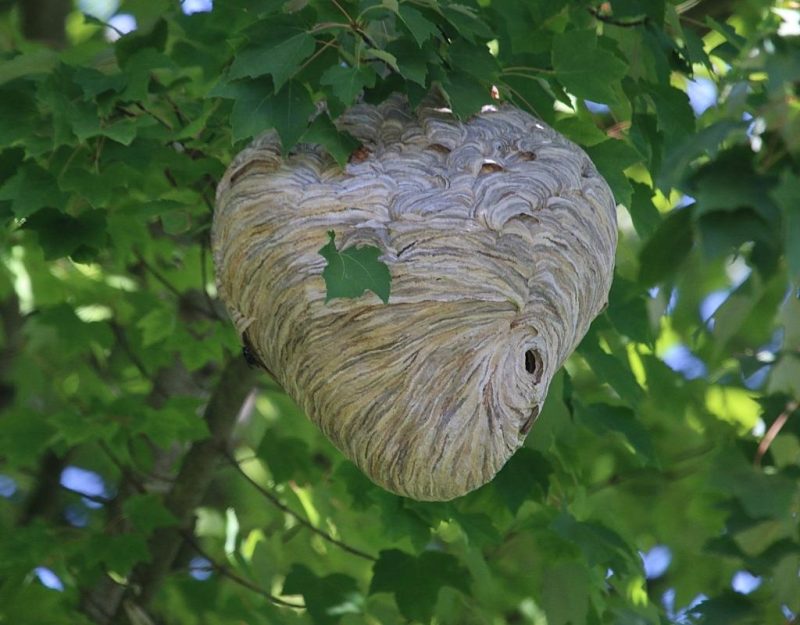
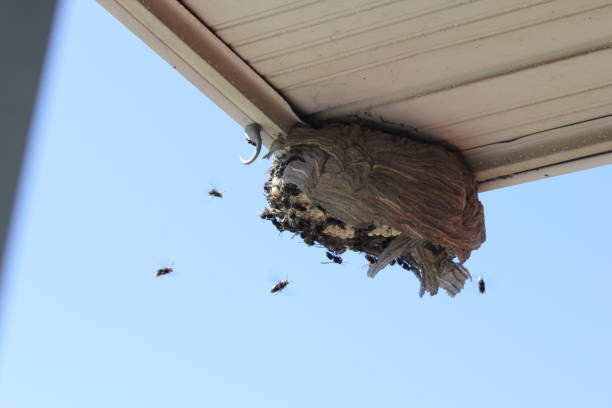
Ah, wasps. Those buzzy, striped fellows that always seem to invite themselves to our picnics and make us do a rather undignified dance when they get a little too close. We’ve all had our run-ins, haven't we? But have you ever stopped to wonder about their homes? Specifically, how long these papery palaces actually last? It's not as simple as a bird's nest, that's for sure, and the answer is surprisingly more about a cyclical natural drama than a permanent fixture.
Let's start with the queen. Every wasp nest, whether it's a grand, sprawling mansion in your attic or a discreet little paper pouch under your eaves, begins with a single, determined individual. Usually, it's a queen wasp who has survived the winter tucked away somewhere cozy, like under a loose piece of bark or in a forgotten crack in a wall. When spring rolls around, she wakes up, shakes off the chill, and thinks, "Right, time to get building and expand the family!"
She's the ultimate DIYer, this queen! Using her own saliva, she chews up bits of wood, like discarded fence posts or old garden furniture, and mixes it into a pulp. This pulp then becomes the building material for her brand new home. It’s like a mini, high-rise apartment complex being constructed from spit and sawdust.
Now, about the lifespan of the nest itself. Here's where it gets interesting, and perhaps a little heartwarming, in its own insect way. Most wasp nests are, in fact, annual. That means they are built, inhabited, and then abandoned all within the space of one year. Once the days start to get shorter and the air turns crisp, the magic of the wasp year comes to an end. The old queen, having done her duty and laid all the eggs she can, usually passes away with the first frost.
The workers, those diligent gardeners and security guards of the colony, also meet their end as the cold sets in. It's a bit of a somber shutdown, but it’s all part of nature's grand plan. The old nest, having served its purpose, is then left to the elements. Wind, rain, and even just the passage of time will slowly break it down. It might look like a sad, deflated balloon eventually, but its legacy lives on.
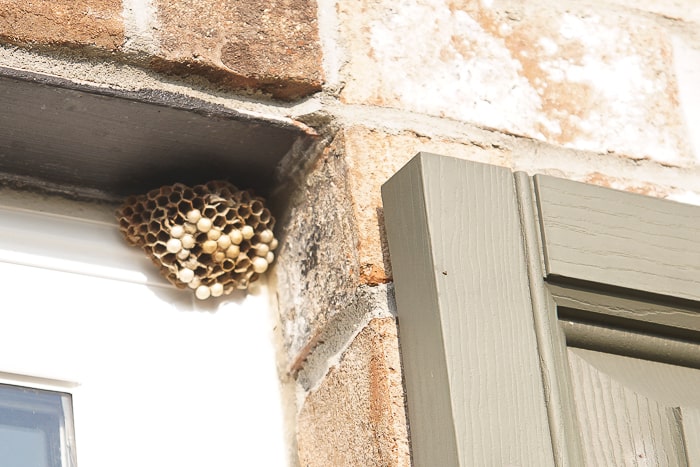
But here's the surprising part that might make you look at those abandoned paper structures with a newfound respect: wasp nests are rarely reused. Yep, you heard that right. Even if a nest looks perfectly intact and sheltered, the new generation of queens will start from scratch. They don't inherit their mom's house. Instead, they embark on their own solo construction projects, seeking out new locations and beginning the whole process anew.
Why this aversion to second-hand housing? Well, there are a few theories, but the most likely culprit is hygiene and the risk of diseases or parasites. It’s like us deciding not to move into a house that the previous tenants left in a bit of a mess. Better to build fresh and start with a clean slate, right? Plus, finding a new, safe spot is often easier than trying to refurbish an old one that might be exposed or damaged.
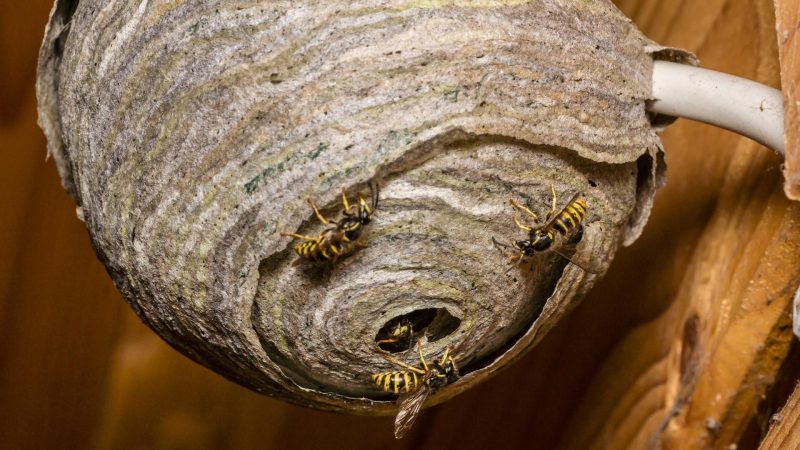
So, what happens to the abandoned nests? They become part of the ecosystem in their own way. Over time, they crumble and decompose, adding valuable organic material back into the soil. It’s a quiet, unassuming end for something that buzzed with so much life and activity just a few months before. Imagine, that papery structure that caused you to abandon your sandwich is now, quite literally, turning back into dirt. Quite poetic, when you think about it.
There are a few exceptions, of course. In very rare cases, particularly with certain species of social wasps that build more permanent, mud-based nests (like some potter wasps), a nest might last longer. But for the vast majority of those familiar, papery nests you see hanging from trees or tucked under sheds, consider them ephemeral masterpieces. Built with dedication, occupied with purpose, and then, like a fleeting summer dream, they fade away.

It’s a whole life cycle packed into a single season. From a solitary queen's ambition to a bustling colony, and then back to the earth. It makes you appreciate the effort, doesn't it? That flimsy-looking structure is the culmination of a year's worth of hard work, a testament to the drive of these often-misunderstood insects. So, next time you spot an old, empty wasp nest, instead of just seeing a potential stinging hazard, perhaps you can see it as a poignant reminder of nature's ceaseless, fascinating dance of life, death, and renewal. It’s a miniature epic, playing out year after year, often right under our noses.