
How Do You Trim A Lavender Bush
:strip_icc()/How-and-When-to-Prune-Lavender-307aMuG34Yc8AAnZ25q4AY-9a1066dc825a40d3b2b145766b5f46aa.jpg)
Hey there, fellow garden enthusiast! So, you've got a lavender bush, huh? Excellent choice! Not only does it smell absolutely divine, but it’s also a magnet for those buzzy little pollinators we all adore. Plus, imagine a little bunch of fresh lavender to brighten up your home – pure bliss! But let’s be honest, sometimes these gorgeous plants can get a tad unruly. They start out so cute and compact, and before you know it, they're staging a hostile takeover of your garden path. Don't worry, we've all been there! Trimming your lavender might sound a bit daunting, like you're about to perform some sort of horticultural surgery, but I promise you, it's as easy as pie… or perhaps as easy as sniffing a bunch of fresh lavender on a warm day. Let's dive in and get your lavender looking its best!
First things first, let's talk about why we're even bothering with this trimming business. Is it just for aesthetics, or is there a more practical reason? Well, it’s a bit of both, really. Trimming your lavender helps to keep it in a nice, tidy shape. Nobody wants a lavender bush that looks like it's been through a particularly aggressive hair salon incident, right? A good trim encourages bushier growth. Think of it like giving your plant a gentle nudge to say, "Hey, let's spread out a bit and become even more fabulous!" This also means more flowers. Who doesn't want more of that lovely lavender goodness? Plus, a well-maintained plant is generally a healthier plant. It allows for better air circulation, which can help prevent fungal diseases. So, it's not just about looking good; it's about feeling good, too – for your lavender, that is!
When to Grab Your Pruners (and Not Be Scared!)
Okay, timing is everything, as they say. You wouldn't wear a snowsuit in July, and you don't want to trim your lavender at the wrong time of year. Generally, the best time to give your lavender a good trim is after it has finished flowering. This is usually in late summer or early autumn. Think of it as giving your plant a little haircut after its big performance. You’ve enjoyed the blooms all summer, and now it’s time to help it recover and get ready for the next season. This also allows any new growth that happens after the trim to harden off before winter sets in. If you’re in a particularly mild climate, you might even get away with a second, lighter trim in early spring, but let's stick to the post-flowering prune for now; it's the most crucial one.
Must Read
Now, a little caveat. If your lavender is looking particularly leggy and unloved, and you just can’t stand it anymore, you can do a light trim at other times. However, be a bit more gentle. The big, formative prune is best saved for after the blooms fade. You don't want to cut off any potential flower buds if you can help it. So, patience, my friend! A little waiting can go a long way in ensuring a happy, blooming lavender plant for years to come.
What Tools Do You Need? (Spoiler: Not a Chainsaw!)
Let's talk tools. You don't need a fancy arsenal for this job. In fact, keeping it simple is often the best approach. For most lavender bushes, a good pair of hand pruners will do the trick perfectly. Look for sharp ones; dull pruners can actually tear the stems, which is a big no-no for plant health. Think of it like using a sharp knife to chop vegetables – it’s cleaner and easier. If your lavender bush has gotten a bit bigger and a bit… wilder… you might want to consider some garden shears or secateurs. These are basically larger, sturdier pruners. For really overgrown bushes, a small hedge trimmer can be a lifesaver, but I’d recommend starting with hand pruners to get a feel for it. It gives you more control, especially when you’re first learning.
And speaking of tools, remember to clean them! A quick wipe-down with rubbing alcohol or a bleach solution between plants (or even on different sections of the same plant if you suspect any issues) can prevent the spread of diseases. We're aiming for healthy lavender, not a botanical pandemic! Oh, and don't forget a pair of gloves if you're not a fan of sap or dirt under your fingernails. Some people find lavender sap a bit sticky, so a little protection never hurts.
The "How-To": Let's Get Pruning!
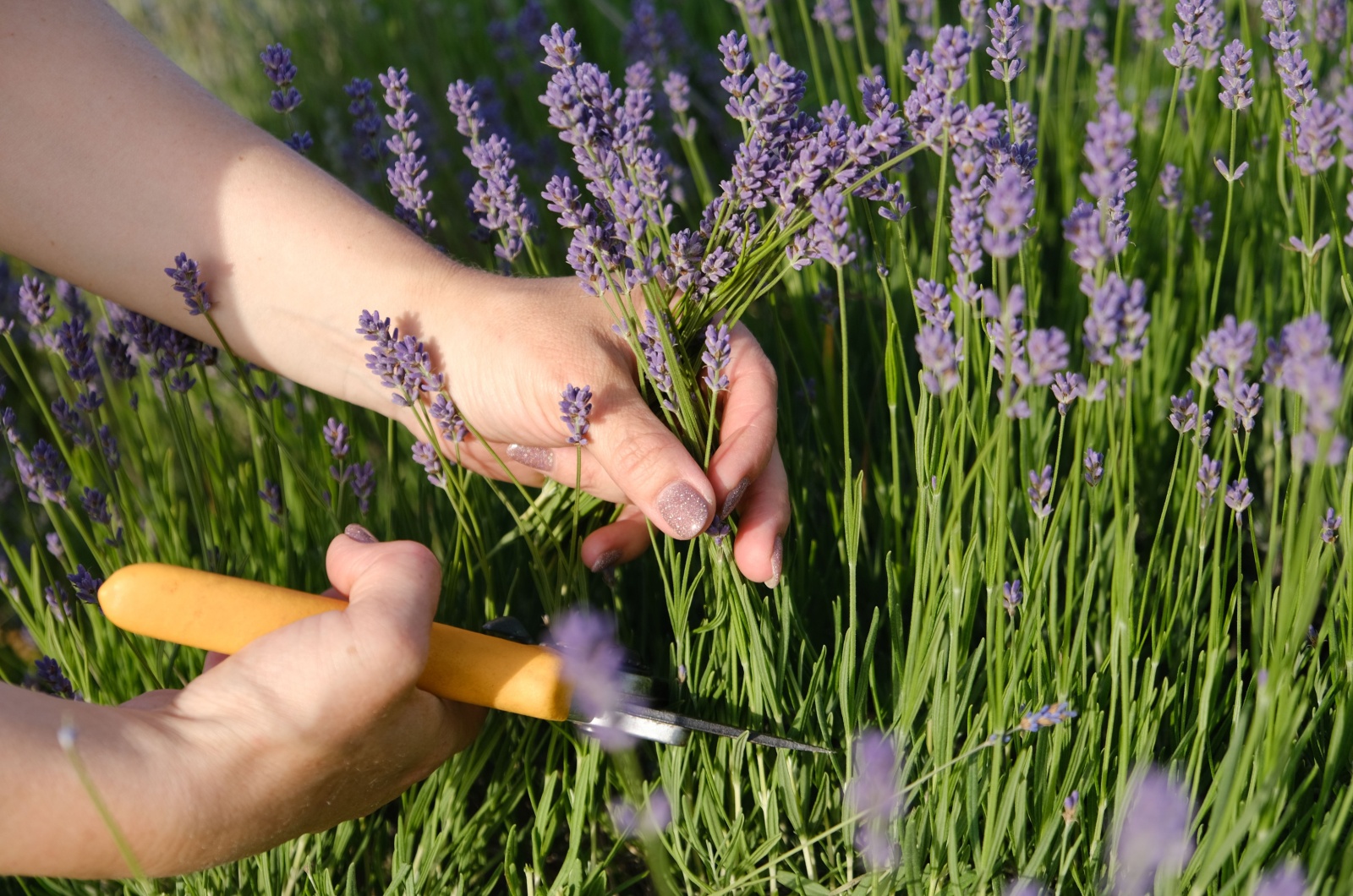
Alright, the moment of truth! Grab your tools, take a deep breath, and let’s get to it. The general rule of thumb for trimming lavender is to cut it back by about one-third to one-half of its current size. Think of it like shaping a cloud – you want to maintain a nice, rounded shape. Avoid cutting into the old, woody parts of the plant unless absolutely necessary. Lavender doesn't tend to regrow well from old wood, so aim for the greener, leafier bits.
Start by gently shaping the plant. Imagine you're sculpting it. You want to encourage that lovely mound-like form. Look for any dead or weak stems, and snip those off first. Then, identify any stems that are growing inwards, crossing over other stems, or just generally looking a bit wonky. These are prime candidates for removal. Cut them back to a healthy leaf node or a side branch. This is where your sharp pruners really shine!
Now, for the main event. Systematically work your way around the bush, trimming back the longer stems. Try to keep your cuts consistent. If you make one stem really short and another really long, it’ll look a bit lopsided. Aim for an even, rounded silhouette. If you’re using shears, you can get a good feel for the overall shape by making broader cuts. Just be mindful of not cutting too much at once. You can always go back and trim a little more if needed, but you can't put it back on!
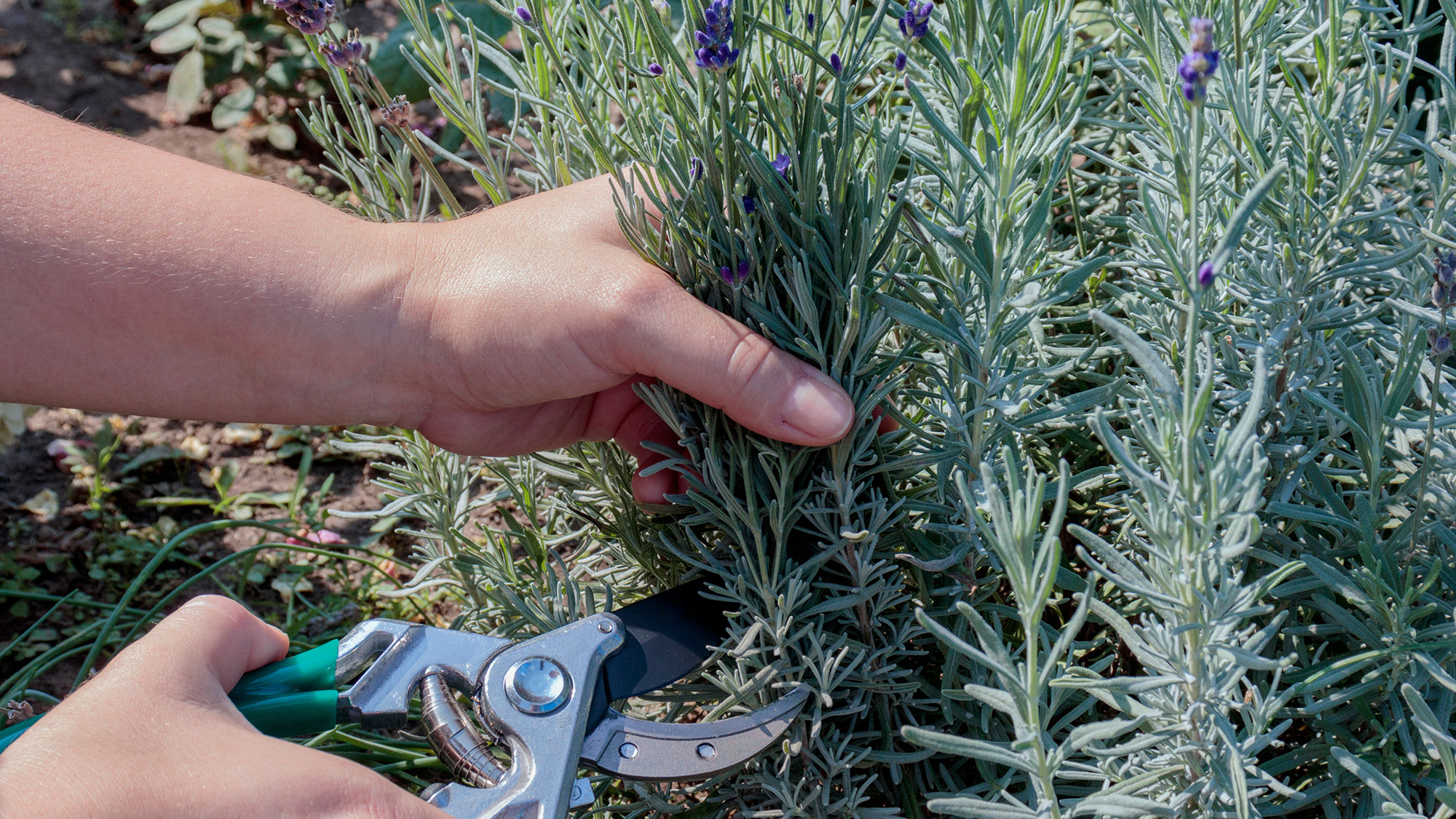
Here’s a little trick: if you can, try to cut just above a set of leaves. New growth will emerge from that point, helping to fill out the plant. And don't be afraid to remove spent flower stalks. These are the ones that have already gone to seed. Snipping these off not only tidies things up but can also encourage the plant to produce more flowers later in the season, especially if you catch them early.
Pro tip: If you’re feeling a bit unsure, step back frequently and look at your lavender from different angles. This will help you see any imbalances and ensure you’re creating a pleasing shape. It’s like checking your own hair in the mirror to make sure you haven't missed a spot! We're going for a natural, yet neat, look.
What About That "Old Wood" Dilemma?
Ah, the dreaded old wood. This is where many people get a bit nervous about pruning lavender. Lavender bushes, especially when they get older, can develop a woody base. This wood is often bare of leaves and can look a bit unsightly. The important thing to remember is that lavender prefers to be pruned above the woody base. If you cut into thick, old wood, you might find that it just doesn't regrow. Think of it like trying to grow a new branch from a dried-out twig – it’s a tough ask!
So, when you're trimming, aim for the green, leafy stems that are growing from this woody base. If a stem is completely woody and has no signs of leaves, it's probably best to leave it alone or remove it very conservatively. If your plant is severely overgrown and has become a tangled mess of old wood, you might need to consider a more drastic approach, but for regular maintenance, sticking to the leafy growth is your best bet. It's about nurturing the vibrant, growing parts of your plant.

Dealing with Those Pesky "Bare Patches"
Sometimes, even with regular trimming, you might end up with a lavender bush that has a few bare patches or a slightly hollow center. This can happen if the plant has been pruned too hard in the past, or if it’s just a natural tendency for that particular variety. Don't despair! There are a few things you can do.
Firstly, consistent pruning is your best friend. By encouraging bushier growth from the outer edges, you'll naturally help to fill in those bare spots over time. Secondly, consider a very light thinning of some of the denser areas. This can help to improve air circulation and allow more light to reach the inner parts of the plant, potentially stimulating new growth. Be patient; this isn't an overnight fix.
If your lavender is looking particularly sad and bare in the middle, a more advanced technique might be to try and prune back some of the outer stems a bit more, trying to encourage growth from further in. However, this should be done with extreme caution, and only if you’re comfortable assessing the plant’s structure. For most of us, the key is to keep the outer parts healthy and full, and the plant will reward you with its beauty.

What to Do With All Those Cuttings?
Now, you've got a lovely pile of lavender cuttings! Don't just toss them in the compost bin straight away. These fragrant little treasures can be put to good use. You can dry them for potpourri, sachets, or even to add a beautiful scent to your linen closet. Just tie small bunches together with string and hang them upside down in a cool, dry, dark place. They’ll dry out in a few weeks, retaining their lovely aroma.
If you're feeling adventurous, you can even try to propagate new lavender plants from your cuttings. This is a fantastic way to expand your lavender collection or share the lavender love with friends and family. You'll want to take cuttings from healthy, non-flowering stems. Remove the lower leaves, dip the cut end in rooting hormone (optional but helpful!), and stick them in a pot of well-draining soil or a perlite/sand mix. Keep them moist and in a bright spot, and with a bit of luck, you'll have new baby lavender plants!
And for those of you who are into DIY, lavender cuttings are perfect for making dried floral arrangements, pressing into crafts, or even infusing oils. The possibilities are endless! So, not only are you giving your existing lavender a makeover, but you’re also creating new opportunities for its fragrant magic to spread.
A Final Encouraging Thought
So there you have it! Trimming your lavender bush is less about a strict set of rules and more about getting to know your plant and giving it a little TLC. It's about keeping it healthy, encouraging it to flourish, and ensuring it continues to bless your garden (and your senses!) with its wonderful presence. Don't be afraid to get in there and give it a good trim. Think of yourself as a garden sculptor, gently shaping a masterpiece. Each snip you make is a step towards a more beautiful, more bountiful, and more fragrant lavender bush. And when you see the results – the fuller plant, the promise of more blooms, and that intoxicating scent wafting through the air – you’ll be so glad you took the plunge. Happy pruning, and may your gardens be forever filled with the sweet scent of lavender!
:max_bytes(150000):strip_icc()/how-to-prune-lavender-3269538-hero-1dc83fc3da874e3e82f2d49b2dad4b1b.jpg)
