When Do Puppies Get Their Adult Teeth

There's something undeniably exciting about watching a puppy grow, isn't there? From those tiny needle-like baby teeth to a full set of pearly whites, the journey of a puppy's dental development is a fascinating peek into their changing world. It’s a topic that’s both fun to observe and incredibly useful to understand for anyone sharing their life with a furry friend.
For new puppy parents, knowing when those puppy teeth will start to make way for adult teeth can alleviate a lot of worry. It explains those occasional moments of your little one being a bit fussier or chewing more intensely. For families, it's a great educational opportunity to teach children about their pet’s development. And for dog hobbyists or those thinking about breeding, understanding the typical timeline is crucial for monitoring a puppy's overall health and growth.
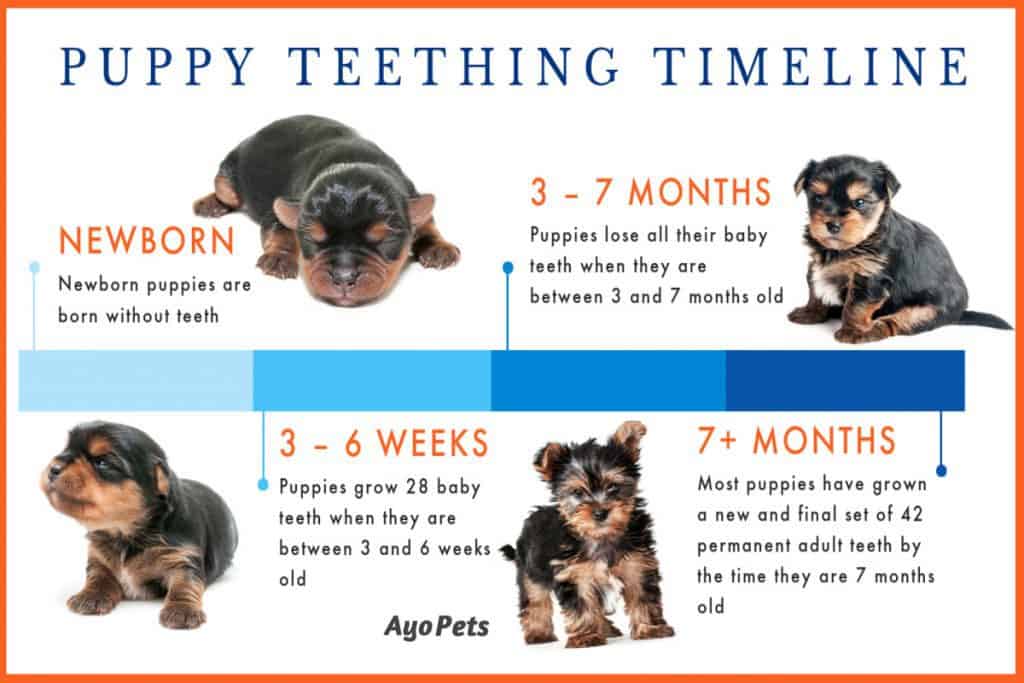
So, when exactly does this dental transformation happen? Think of it as a two-stage process. Puppies are born without any teeth. Then, around 2 to 4 weeks of age, their deciduous, or baby teeth, start to emerge. These are typically 28 in total – small, sharp, and perfect for their initial weaning stage. You'll likely notice them by the time they’re around 6 weeks old, and they’re usually all in by the time they’re weaned.
Must Read
The real magic, however, happens a bit later. Starting around 3 to 4 months of age, those baby teeth begin to loosen and fall out, making way for their permanent set. This process continues until about 6 to 7 months of age, when most dogs will have their full set of 42 adult teeth. You might even be lucky enough to find a tiny lost puppy tooth on the floor – a little souvenir of their growth!
There can be slight variations, of course. Some breeds might experience a slightly faster or slower timeline. For example, smaller breeds sometimes start their teething process a little earlier. The key is to look for the general pattern. During this teething phase, it's perfectly normal for your puppy to experience some discomfort, leading to increased chewing. This is where providing the right chew toys becomes incredibly important. Options like soft rubber toys, Nylabones designed for puppies, or even frozen carrots (under supervision!) can offer relief and redirect their chewing habits away from your furniture.
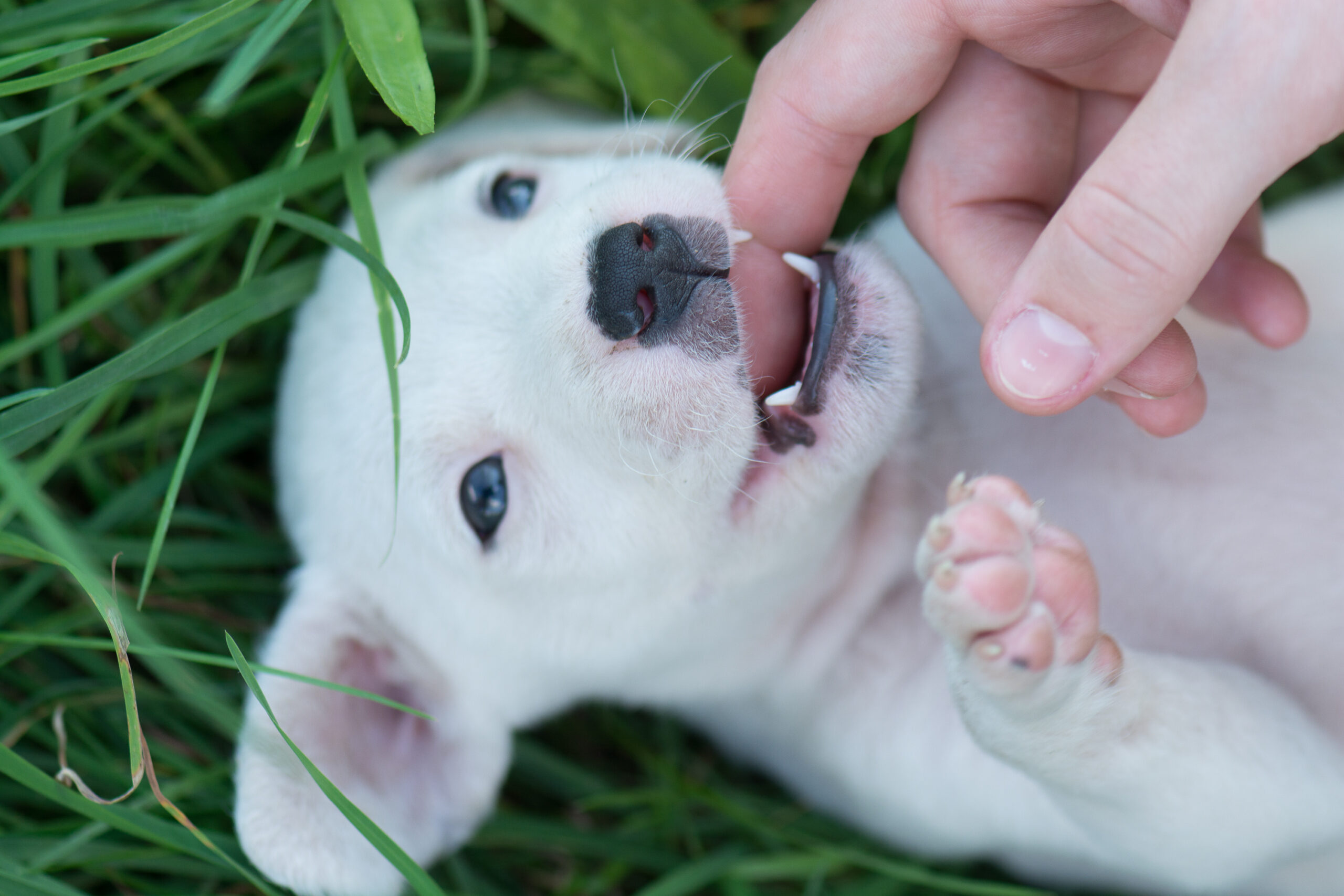
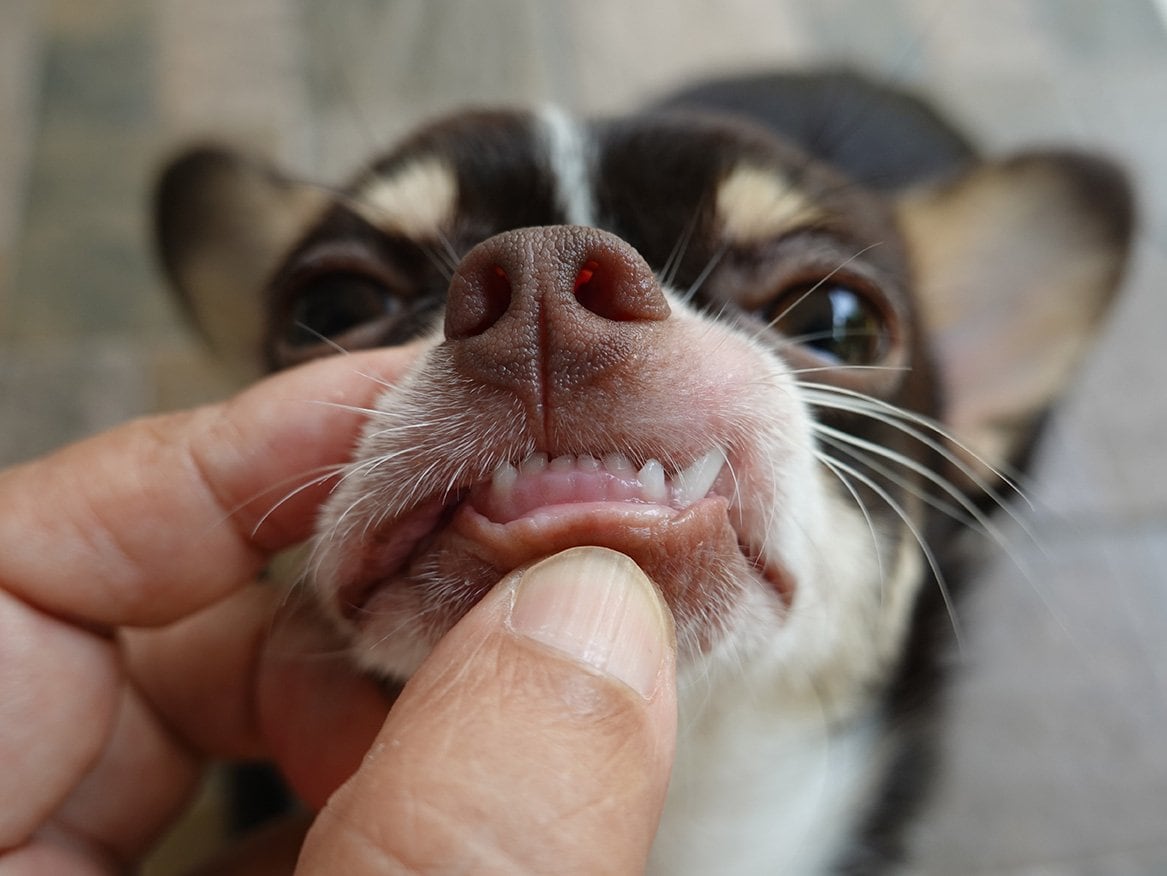
If you’re wondering how to get started with understanding your puppy’s dental health, it’s simple! Start by gently handling your puppy's mouth from a young age. This will get them used to you looking at their teeth, which is vital for future vet visits and home care. Make a habit of observing their gums – they should be a healthy pink. If you notice any redness, swelling, or persistent bad breath, it’s always a good idea to consult your veterinarian.
Watching your puppy grow their adult teeth is a rewarding part of the journey. It’s a clear sign of them maturing into a healthy, adult dog, and understanding this process allows you to support them every step of the way. It’s a small, yet significant, detail that adds to the immense joy of raising a puppy.