How To Tell If Lamb Is Off

Ever wonder about that beautiful cut of lamb sitting in your fridge? Knowing if it's still perfectly good to eat is a surprisingly satisfying skill to have. It’s not just about avoiding a tummy ache; it’s about savoring every delicious bite of your culinary adventures. Think of it as a little detective work for your kitchen, ensuring you’re always serving up the best!
For the beginner cook, this knowledge is gold. It builds confidence and prevents those unexpected kitchen mishaps that can put a damper on a meal. Families can benefit too, ensuring they’re feeding their loved ones safely and deliciously. And for the hobbyist chef, it's another layer of expertise, allowing you to experiment with cuts and recipes without the nagging worry of spoilage. It's all about making your cooking experience smoother and more enjoyable.
So, how do we become these kitchen sleuths? It's easier than you might think, and it primarily involves using your senses. Let's dive into the tell-tale signs.
Must Read
First up, the smell. Fresh lamb should have a mild, slightly sweet aroma. If it smells distinctly sour, ammoniated, or just plain "off," that's your first big clue. Think of it as the lamb waving a little red flag. Some people describe off lamb as having a pungent, almost cheesy odor – definitely not what you want for your Sunday roast!
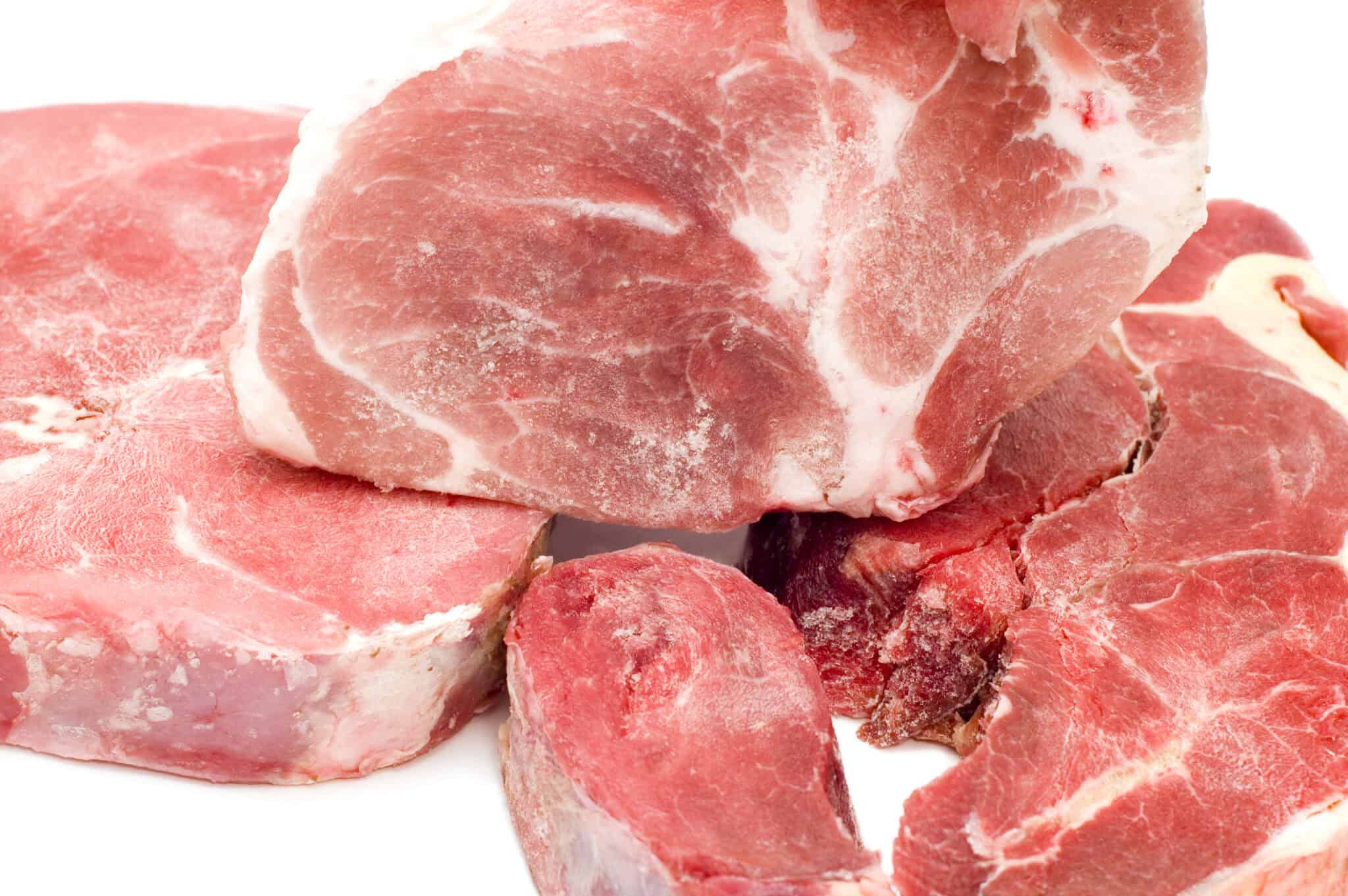
Next, let's look at the appearance. Fresh lamb typically has a bright, cherry-red color. If it looks dull, greyish, or has a greenish or yellowish tinge, it's a sign that it's past its prime. You might also notice a slimy film on the surface. That's a definite "no-go" zone. While some browning can occur due to oxidation, a widespread grey or green hue is a stronger indicator of spoilage.
Then there's the texture. When raw lamb is good, it should feel firm and slightly moist to the touch. If it feels sticky, slimy, or overly wet, it’s time to say goodbye. For cooked lamb, the same principles apply – if it's mushy or has an unusual texture, it’s best to err on the side of caution.
Temperature is also crucial. Lamb should always be kept refrigerated at or below 40°F (4°C). If it's been sitting out at room temperature for more than two hours (or one hour if the temperature is above 90°F/32°C), it's best to discard it, regardless of how it looks or smells. This is a fundamental food safety rule that applies to all meats.
Getting started is simple. The next time you bring lamb home, take a moment to consciously engage your senses. Give it a gentle sniff, observe its color, and note its texture. Comparing this to what you've learned here will quickly build your confidence. Think about the different cuts too – a whole leg of lamb might behave slightly differently than a rack of lamb, but the core signs of spoilage remain the same.
Learning to tell if lamb is off isn't about being a gourmet chef; it's about being a smart and safe cook. It’s a small piece of knowledge that adds a lot of value to your kitchen, ensuring every meal is a delightful success. Happy cooking!