What Age Are Dogs Fully Grown

Ever look at your furry best friend, maybe a bouncy puppy tumbling over their own feet or a gangly teenager who seems to be all legs and ears, and wonder, “When do they officially become… a grown-up?” It’s a question many dog parents ponder, and honestly, it’s a bit more nuanced than just flipping a switch from “puppy” to “adult.” Think of it like human teenagers – they’re not quite little kids anymore, but they’re definitely not fully formed adults either. It’s a transitional phase that’s both exciting and a little bit sad, as those adorable clumsy moments gradually fade.
So, what’s the magic number? Well, there isn’t one single, definitive age that applies to every single dog. Just like us humans, dogs come in all shapes and sizes, and their growth rate is heavily influenced by their breed and genetics. A tiny Chihuahua is going to hit their full size much faster than a majestic Great Dane. It’s like comparing a speedy scooter to a slow-and-steady semi-truck. Both get to their destination, but their timelines are vastly different!
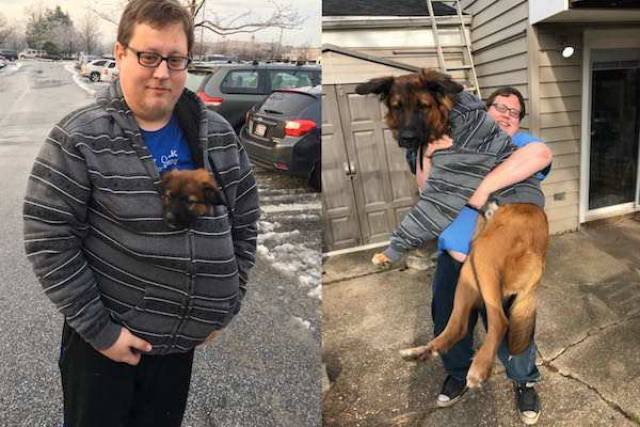
Generally speaking, most dogs are considered fully grown by the time they reach their first birthday, around 12 months of age. This is especially true for smaller to medium-sized breeds. Imagine your little terrier mix, who might have been a bundle of fluff and boundless energy at six months, now walking with a bit more swagger and a solid frame by their first birthday. They’ve likely stopped growing in terms of height and length, and their adult teeth are all in place, ready for serious chew toy demolition.
Must Read
But here’s where it gets interesting, and why we need to talk about it! For many larger breeds, their journey to full maturity takes a bit longer. Think about those adorable giant breeds like Newfoundlands, Bernese Mountain Dogs, or Mastiffs. Their bodies are still developing their muscle mass and bone density well past their first birthday. For them, 18 to 24 months (or even a little longer!) is often when they’re truly considered adults. They might look like they’re grown up in terms of size at a year old, but their internal development is still chugging along.
Why does this matter to you, the loving dog owner? Well, understanding your dog’s growth stage helps you provide them with the best possible care. For instance, puppies have different nutritional needs than adult dogs. They need food formulated for growth, with the right balance of protein, calcium, and other nutrients to support their developing bodies. Feeding a giant breed puppy adult food, or an adult dog puppy food, can lead to health problems down the line. It’s like giving a toddler a steak dinner – not quite the right fuel for their stage of development!
It also impacts their exercise routines. Puppies have a lot of energy, sure, but their joints are still forming. For large breed puppies, excessive or high-impact exercise before their bones and joints are fully developed can lead to issues like hip dysplasia or other skeletal problems. So, while you might be tempted to take your rambunctious Great Dane puppy on long, strenuous hikes, it’s often better to stick to shorter play sessions and gentler activities until they’re fully mature. Think of it as easing them into a marathon rather than throwing them into the starting blocks unprepared.
The Puppy Stage: A whirlwind of Cuteness and Chaos
The puppy stage, from birth to about six months, is a period of rapid development. Their senses are sharpening, they’re learning to walk, play, and socialize. This is when they’re most vulnerable, requiring consistent veterinary care, vaccinations, and early socialization to help them become well-adjusted adults. Remember that time your puppy mistook your favorite slipper for a chew toy? Or the adorable way they’d greet you with wiggles and happy snorts? That’s the pure, unadulterated puppy charm!

Around six months, many dogs enter what we affectionately call the “teenager” phase. They might start to test boundaries, become a bit more independent, and exhibit some hormonal changes. For some pups, this is when leash training might suddenly become a challenge again, or they might suddenly decide that your carefully arranged shoe collection is actually a fascinating new playground. It’s a bit like human teenagers experimenting with their identity – sometimes a little rebellious, sometimes a little goofy. They’re figuring things out, and it’s our job to guide them with patience and consistency.
Adolescence: The Gangly, Goofy Years
This is often the most challenging, yet rewarding, period. Dogs in adolescence, typically from around six months to a year (or longer for big breeds), are physically growing but their brains are still catching up. They have the energy of a puppy but the developing independence of an adult. This is when those “oops” moments can happen more frequently. That sudden urge to chase a squirrel, the selective hearing when you call their name, or the enthusiastic greeting that involves a bit too much jumping – it’s all part of the adolescent package. It’s crucial to continue with training and socialization during this time to reinforce good behaviors and prevent unwanted habits from forming. This phase is like a toddler learning to walk – they might stumble and fall, but with practice and encouragement, they become more confident and capable.

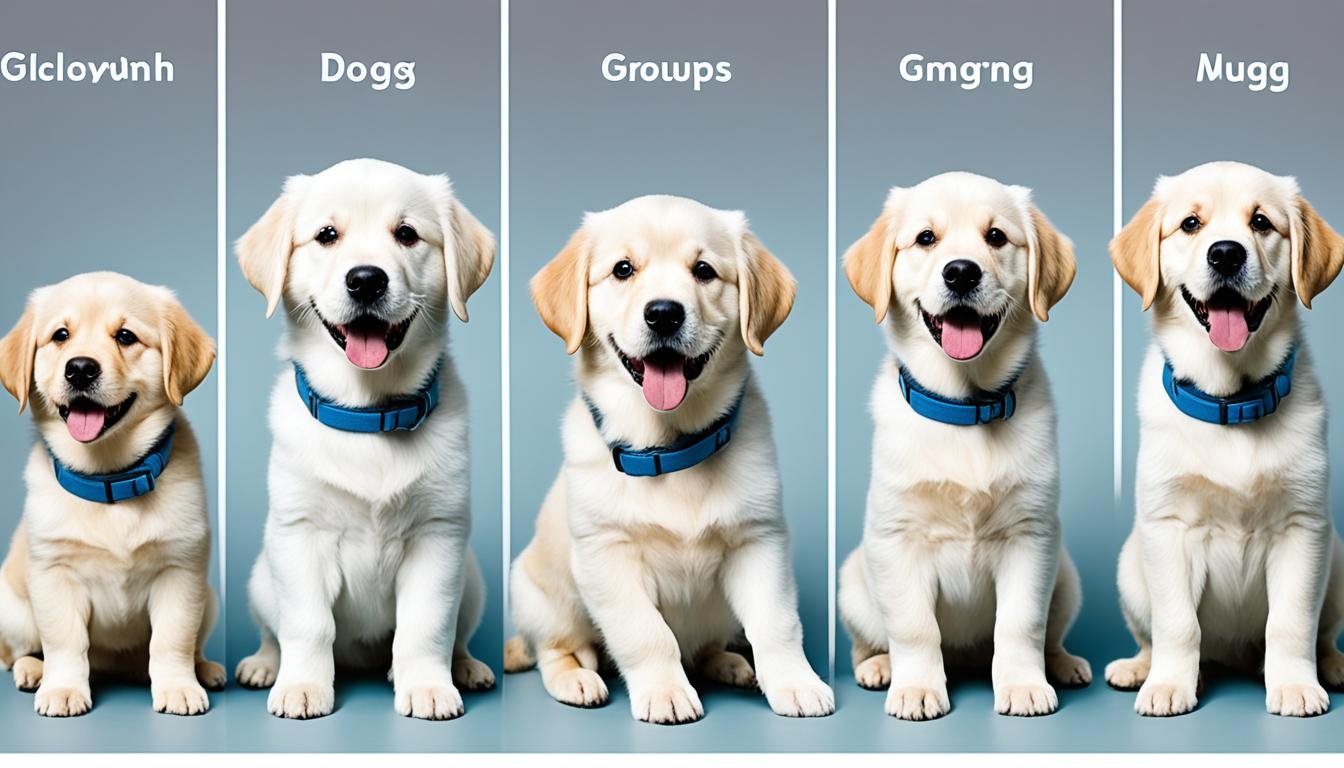
For larger breeds, this adolescent phase can extend significantly. A 15-month-old Golden Retriever might still have a few inches to grow and a lot of puppy exuberance to work through. Their bodies are still maturing, and their minds are catching up. This is where patience and a consistent routine are your best friends. It’s about building a strong foundation for their adult lives, ensuring they’re physically and mentally prepared for whatever comes next.
The Grand Entrance: Becoming a Full-Fledged Adult
So, when do they officially graduate to “adult” status? As we’ve discussed, it’s a spectrum. Smaller dogs often reach full physical maturity around 12 months. You’ll notice their body shape will have stabilized, their energy levels might be a bit more consistent (though they’ll still have bursts of playful energy, of course!), and they’ll generally have a more settled demeanor. Your little lap dog might now comfortably fill your lap!

For medium to large breeds, this milestone is often around 12 to 18 months. They’ve likely reached their full height, but their muscle development and bone density are still increasing. You might notice they’re a bit more sturdy and less clumsy. Their personality will have truly settled into its adult form, and their training should be well-established.
And for those magnificent giants? They might not be considered fully grown until they’re 18 to 24 months old, or even a little later. Their physical growth is slow and steady, and their bodies need that extra time to develop properly. You’ll see their musculature become more defined, and their overall presence will exude a calm maturity. It’s like watching a young sapling slowly but surely grow into a mighty oak tree. The patience you’ve invested will be rewarded with a healthy, well-balanced companion.
Ultimately, understanding your dog’s growth stage is about more than just knowing their age. It’s about recognizing their changing needs, providing them with the right nutrition, appropriate exercise, and continued training. It’s about celebrating each stage, from the chaotic puppyhood to the goofy adolescence, and finally welcoming the calm, loving adult dog into your life. And when you see that confident trot, that settled gaze, and that unwavering loyalty, you’ll know your journey from puppy parent to proud owner of a fully grown companion has been a truly wonderful one.