How To Know If Hair Is Damaged
Ah, hair! It’s our crowning glory, our frame for our face, and sometimes, our mood barometer. Whether we’re rocking a sleek, straight style, a cascade of bouncy curls, or a playful updo, our hair plays a significant role in how we feel and present ourselves to the world. We spend time styling it, coloring it, and treating it, all in the pursuit of that healthy, vibrant look. But sometimes, despite our best efforts, our hair can start to whisper (or even shout!) that it's not feeling its best. So, how can you tell if your hair is sending out distress signals?
Understanding if your hair is damaged isn't just about vanity; it's about hair health and maintaining its integrity. Damaged hair can be brittle, prone to breakage, and frankly, just not as beautiful as it could be. Knowing the signs allows you to step in with the right care, prevent further damage, and restore that luscious feeling. It's like giving your hair a little check-up to ensure it's performing at its peak!
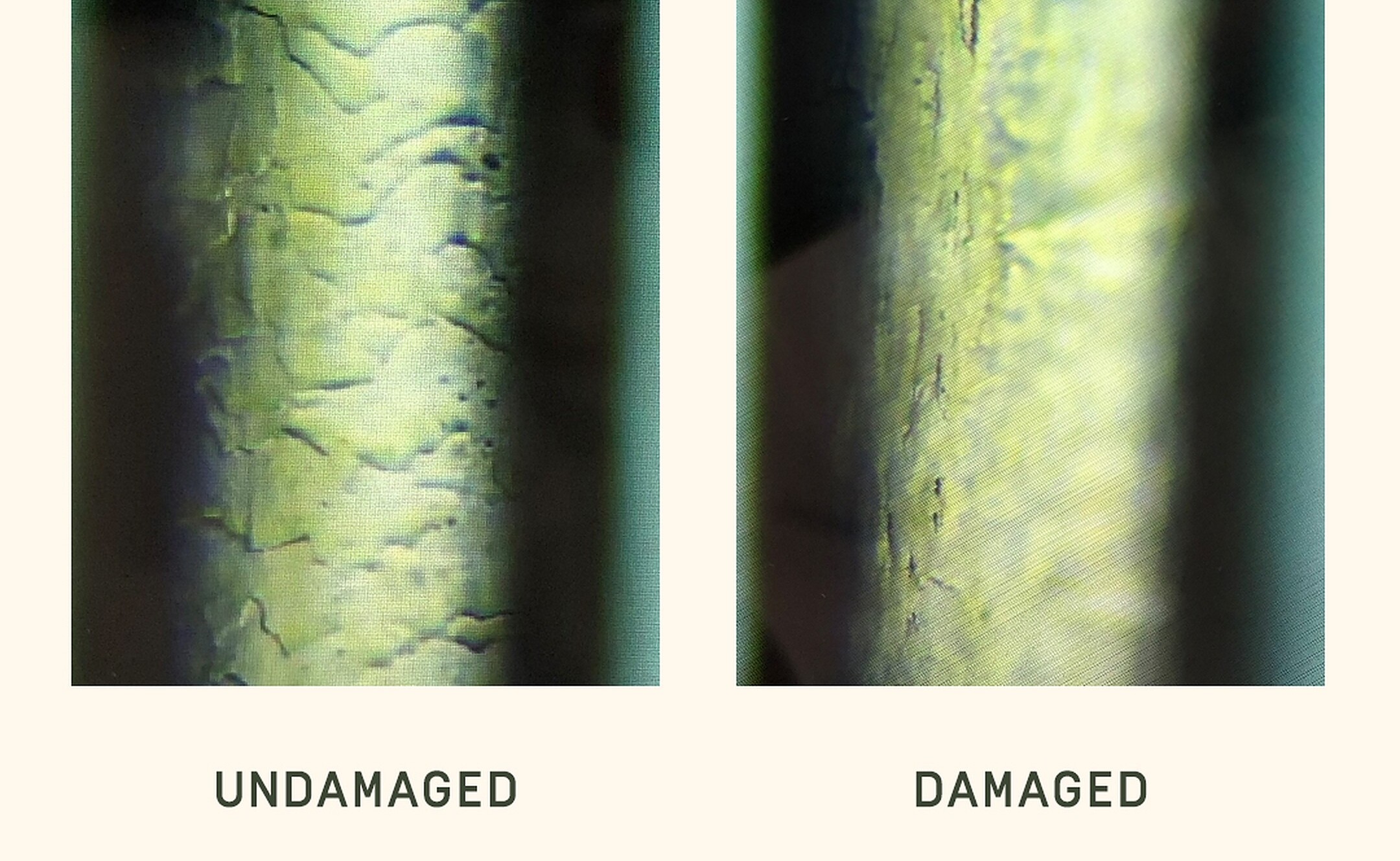
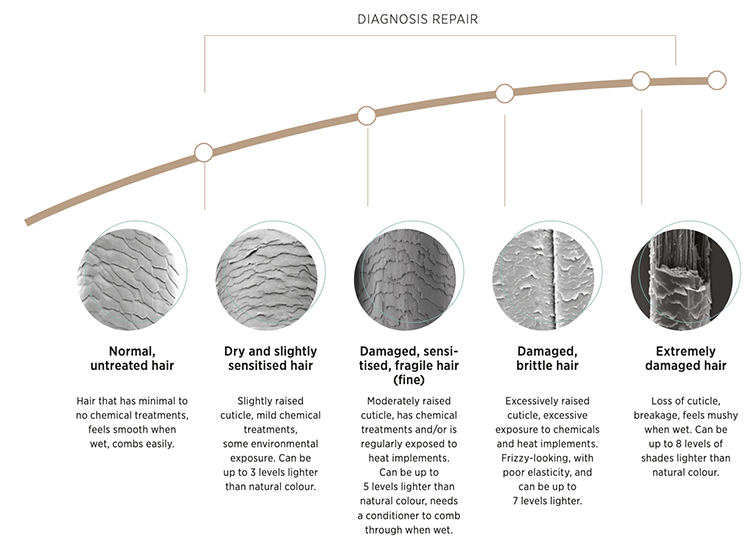
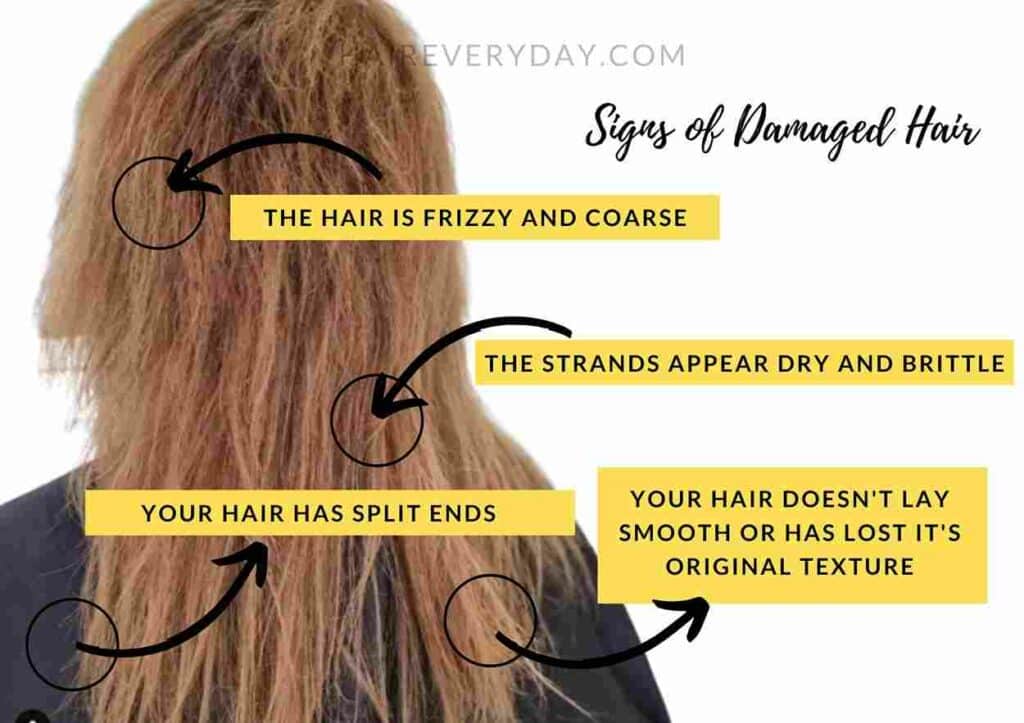
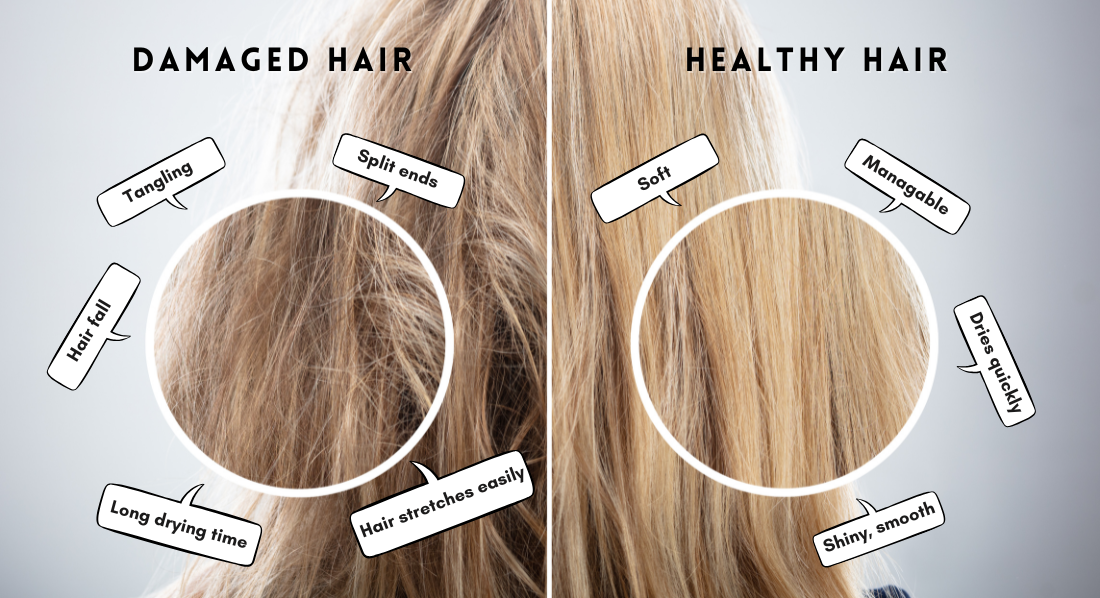
So, what are the tell-tale signs? One of the most obvious is a change in texture. If your hair used to feel smooth and silky but now feels rough, straw-like, or even a bit gummy when wet, that's a big clue. Another indicator is increased breakage. Do you notice more little broken strands on your brush, your clothes, or even in the shower drain? This is a classic sign that your hair's structure is compromised. Split ends, those frustrating little white tips that seem to multiply overnight, are also a major red flag.
Must Read
Beyond touch and visual cues, think about how your hair behaves. Does it look dull and lifeless, lacking its usual shine? Damaged hair often loses its natural reflectivity. Is it becoming increasingly difficult to manage? If your once obedient strands are now a tangled mess that resists brushing, or if your curls have lost their definition and are just kind of... there, damage might be the culprit. Frizz that won't quit, especially in mild humidity, can also point to a damaged cuticle layer that isn't laying flat.
Let's talk about some common culprits. Heat styling, like blow dryers, straighteners, and curling irons, can wreak havoc if used too frequently or at too high a temperature without protection. Chemical treatments, such as coloring, bleaching, perms, and relaxers, can be harsh and strip the hair of its natural oils and proteins. Even environmental factors like sun exposure, chlorine in pools, and saltwater can contribute to dryness and damage. And, sadly, sometimes it's just the cumulative effect of time and styling.
To enjoy healthier hair, the key is prevention and gentle care. When heat styling, always use a heat protectant spray. Try to air dry your hair as much as possible. Be mindful of harsh chemical treatments; consider less frequent applications or opting for gentler formulas. When brushing, start from the ends and work your way up to minimize pulling and breakage. Use a wide-tooth comb on wet hair, which is when it's most vulnerable. Incorporate deep conditioning treatments or hair masks into your routine, focusing on nourishing and repairing. Listen to your hair; if it’s feeling dry or brittle, give it some extra TLC. By paying attention to these signals and adjusting your routine, you can help your hair bounce back and shine!

:max_bytes(150000):strip_icc()/GettyImages-9302432981-ee54cff3fea54ce79975ef0216d44c69.jpg)