How Do I Test My Ph Level

Ever wonder what’s lurking in your water? Or why your sourdough starter is acting like a grumpy teenager? It might be all about pH. Yep, that sneaky little scale from 0 to 14. It’s like the hidden personality of your liquids. And guess what? You can totally test it yourself!
Think of pH as a secret handshake for molecules. It tells you if something is super acidic (hello, lemon juice!), perfectly neutral (like plain water), or delightfully alkaline (baking soda, anyone?). It’s a pretty big deal for everything from your garden to your gut. And it’s surprisingly easy to get in on the pH party.
So, how do you actually do this pH testing thing? Buckle up, buttercup, because it’s not rocket science. It’s more like… bath bomb science. Fun science!
Must Read
Ready to Get Your pH On?
There are a few ways to play detective with your liquids. Each one is a little different, but all are pretty straightforward. Let’s dive in!
The Colorful Caper: pH Test Strips
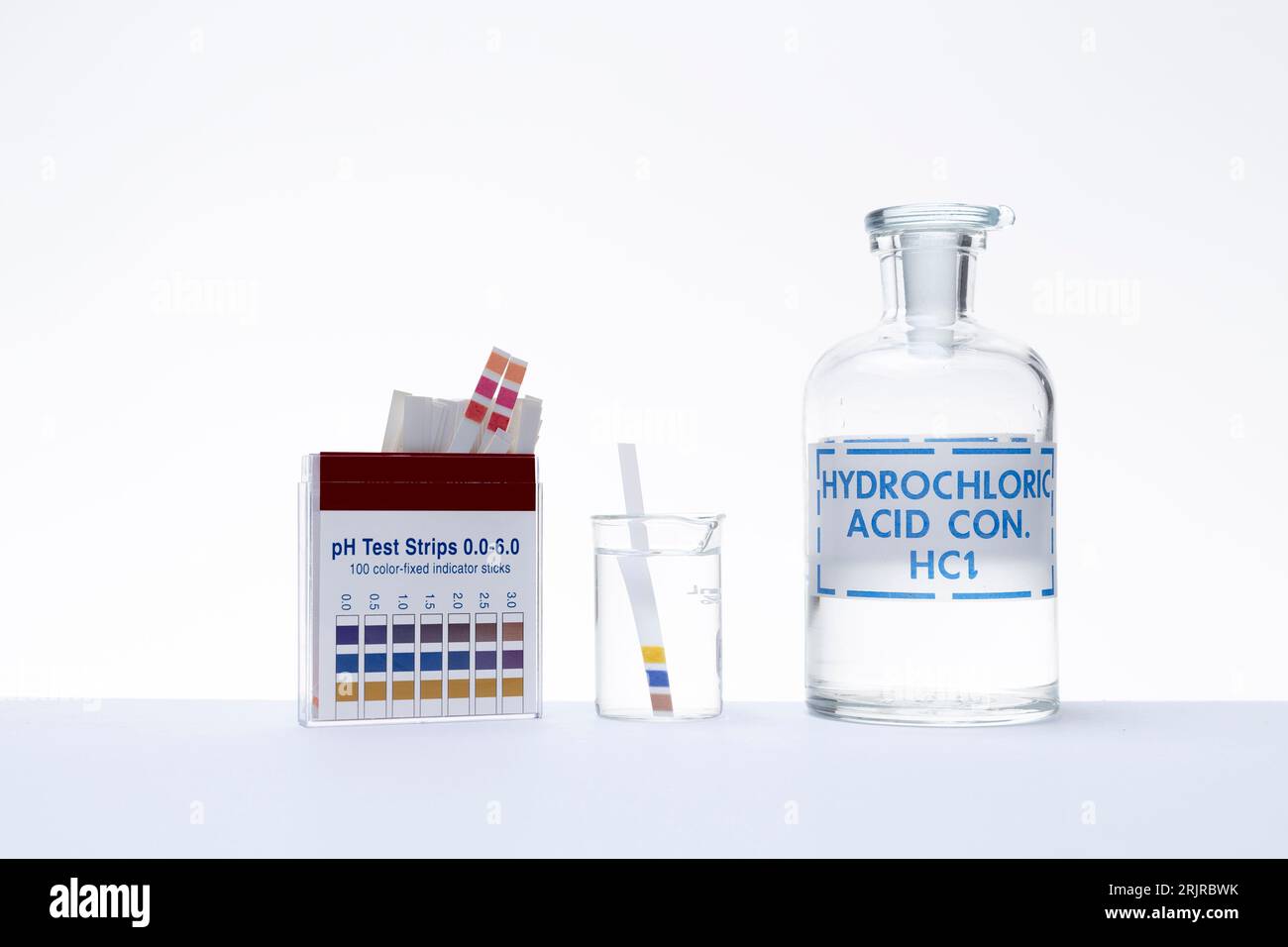
These are probably the most common, and for good reason. They’re like little paper rainbows. You dip these nifty strips into your liquid, and BAM! They change color. It’s like magic, but with science.
Each strip has different colored squares. These squares have special chemicals on them. When those chemicals meet the molecules in your liquid, they react. Different pH levels make them react differently, resulting in a kaleidoscope of colors. Think of it as a tiny chemical rave on a strip of paper.
After you dip, you compare the strip’s new colors to a chart that comes with the strips. The chart shows you what color corresponds to what pH number. Easy peasy, lemon squeezy! (Though, if you’re testing lemon juice, it’s going to be very acidic. Surprise!)

Why they’re awesome: Super cheap! You can buy a whole bunch for next to nothing. Plus, they’re portable. Take them to a friend’s house. Test their fancy bottled water. See if their pool water is as refreshing as they claim. The possibilities are endless. And slightly mischievous.
Quirky fact: The pH scale was invented by a Danish scientist named Søren Peder Lauritz Sørensen back in 1909. He named it after the German word for "power of hydrogen," or "potential of hydrogen." Pretty neat, huh? He probably had no idea people would be using little paper strips to test their kombucha.
The Digital Detective: pH Meters
If you want to feel a bit more like a mad scientist, a digital pH meter is your jam. These are electronic gadgets. You stick a probe into your liquid, and it gives you a precise number on a little screen. No color matching needed!
These are generally more accurate than strips. They’re also faster. You dip, wait a few seconds, and you’ve got your reading. It’s like getting a direct download of your liquid’s pH personality.
However, they can be a bit pricier than strips. And you gotta take care of them. They usually need to be calibrated regularly with special solutions. Think of it as keeping your detective gear in top condition.
Why they’re awesome: Precision! If you’re serious about, say, brewing beer or growing specific types of plants, you need those exact numbers. They’re also reusable, so in the long run, they can be cost-effective if you’re doing a lot of testing.
Funny detail: Some pH meters look like they’re straight out of a sci-fi movie. Imagine wielding one of those bad boys at your next backyard BBQ. "Hold on, everyone, gotta check the pH of this punch!" You’d be the life of the party. Or at least the most interesting. Definitely.
The Old School Charm: Litmus Paper
Litmus paper is like the grandpa of pH testing. It’s been around forever. It’s super simple. You dip it in, and it turns either blue or red. Red means acidic. Blue means alkaline. Easy!

It’s not as precise as strips or meters. It just gives you a general idea: is it acidic or alkaline? Think of it as a quick thumbs-up or thumbs-down from your liquid.
Why it’s awesome: It’s the OG. It’s super basic and incredibly affordable. If all you need to know is "acidic or not acidic?" then litmus paper is your buddy.
Quirky fact: Litmus paper is made from a special dye derived from lichens. These are like fuzzy, plant-like organisms that grow on rocks and trees. So, you’re literally using something from nature to test the nature of your liquids. Meta!
What Can You Actually Test?
The world is your pH oyster! Seriously, almost any liquid can be tested. Here are a few fun ideas:

- Your tap water: Is it as pure as they say?
- Bottled water: Surprise, surprise!
- Your aquarium water: Happy fishies depend on the right pH.
- Your garden soil (with special kits): For the greenest thumbs.
- Your coffee or tea: Does your morning brew have a pH personality?
- Your homemade juices or smoothies: Getting your daily dose of… what exactly?
- Your sourdough starter: This is crucial! A happy starter needs a good pH.
- Your DIY cleaning products: Make sure they’re effective and safe.
- Your swimming pool water: Nobody wants itchy eyes at the pool party.
- Saliva and urine (if you're into that): For a peek into your body's internal chemistry.
Emphasize this: Testing your pH isn't just for scientists or serious hobbyists. It's for anyone who's curious. It's a little window into the invisible world that surrounds us.
Why Bother With All This pH Shenanigans?
Great question! Beyond just satisfying your curiosity, understanding pH can be super useful:
- For your garden: Plants thrive in specific pH ranges. Get it wrong, and your veggies might stage a protest.
- For your health: Your body works best within a certain pH balance.
- For your cooking: pH affects how ingredients react. Think baking soda with vinegar – that fizzy reaction? pH at play.
- For your DIY projects: From soap making to natural dyes, pH matters.
- For your pets: Fish, reptiles, even dogs – their environments have ideal pH levels.
It’s like learning a new language, but instead of words, you’re learning the language of molecules. And it’s surprisingly empowering.
A Little Word to the Wise (But Not Too Wise)
When you’re testing, remember to follow the instructions for your chosen method. Most importantly, have fun with it! Don’t stress about getting it perfectly scientific. Think of it as a fun experiment, a quirky exploration of the liquid world.
So, next time you’re sipping on a beverage or tending to your beloved houseplants, ask yourself: what’s your pH? Grab some strips, a meter, or even some litmus paper, and find out. You might be surprised by what you discover. And who knows? You might just become the neighborhood pH guru. Cheers to that!