How Many Teeth Do Humans Have?

Ever find yourself idly counting things? Maybe pebbles on a beach, or stars on a clear night? Well, have you ever stopped to wonder about the little white treasures nestled in your own mouth? Exactly how many teeth do humans have? It might seem like a simple question, but delving into it can be surprisingly fascinating, and honestly, a little fun!
Understanding our dental landscape isn't just about trivia. Our teeth are remarkably complex structures, each with a specific role to play in our daily lives. From the moment we’re born, our mouths are designed for nutrition and communication. Those pearly whites are our primary tools for breaking down food, making it easier to digest and absorb essential nutrients. Think about biting into a crisp apple or a juicy steak – your teeth are doing the heavy lifting!
But their importance extends beyond just eating. Our teeth also play a crucial role in speech. The way we articulate certain sounds, like ‘s’ or ‘th’, relies heavily on the precise placement of our tongue against our teeth. Without them, our voices would sound quite different! Furthermore, our teeth contribute significantly to the structure of our face and our smile, influencing our appearance and self-confidence.
Must Read
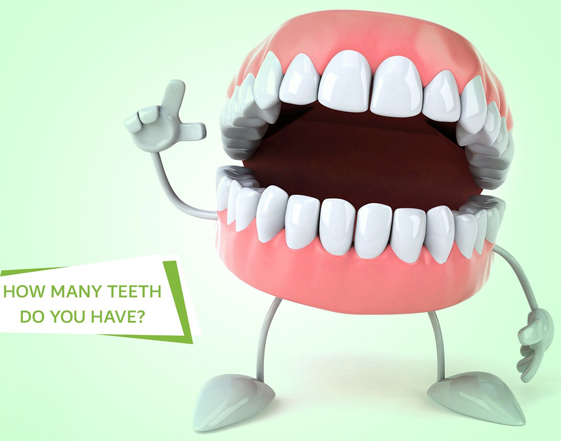
So, let's get to the numbers. Most adults have a full set of 32 teeth. This includes incisors for cutting, canines for tearing, premolars for grinding, and molars for crushing food. Interestingly, this number includes the wisdom teeth, which are the last to emerge, usually in late adolescence or early adulthood. However, not everyone develops all four wisdom teeth, and many people choose to have them removed due to overcrowding or other dental issues. This is why you’ll often hear people say they have 28 or 30 teeth.
For children, the story is a bit different. They start with a set of 20 primary teeth, often called "baby teeth." These are smaller and are designed to be eventually replaced by permanent teeth. It’s a neat biological process to witness, with one set making way for another.

Where does this knowledge come in handy? In education, it's a fundamental part of learning about the human body. Children are taught about different types of teeth and their functions in science classes. In daily life, understanding our dental count can help us communicate better with our dentists, grasp oral hygiene advice, and even appreciate the engineering marvel that is our mouth. Ever been told to brush and floss every tooth? Now you know how many that might involve!
Want to explore this yourself? It’s simpler than you think! A good way to start is by gently counting your own teeth in the mirror, perhaps using your finger to distinguish between the different types. You can also look up diagrams of the human mouth online to visualize the arrangement and names of each tooth type. Talk to your kids or younger relatives about their "baby teeth" and when they expect their "big teeth" to come in. It's a small step, but it opens up a world of curiosity about our own bodies!