How To Install Google Tag Manager On Wordpress

So, you've built a fantastic WordPress website. It’s your digital storefront, your creative canvas, your go-to hub for sharing your passion with the world. But how do you really know if people are engaging with it? Are they clicking on those brilliant blog posts? Are they adding those amazing products to their carts? Enter the unsung hero of website analytics: Google Tag Manager. It might sound a little techy, but trust us, getting it set up on your WordPress site is like giving yourself a superpower for understanding your audience, and it’s surprisingly… dare we say… fun!
Think of Google Tag Manager (GTM) as your website's central control panel for all things tracking and analytics. Instead of needing a developer to sprinkle tracking codes all over your site every time you want to see if a new marketing campaign is working, GTM lets you manage it all from one simple interface. This means you can easily add codes for Google Analytics, Facebook Pixel, LinkedIn Insights, and a whole host of other marketing and analytics tools. The biggest benefit? It simplifies your life immensely, saving you time, money, and the headache of fiddling with code. You’ll gain invaluable insights into user behavior, helping you make smarter decisions about your content, your marketing efforts, and ultimately, how to grow your online presence.
What does this actually look like in practice? Imagine you’re running an online store. With GTM, you can easily track every step of the customer journey: which products are viewed most often, when people abandon their carts, and which advertising campaigns are driving the most sales. For bloggers, you can see which articles are resonating most deeply with your readers, helping you tailor future content. Even if you're just sharing your photography, GTM can tell you which galleries are getting the most attention, guiding your future creative direction. It's all about understanding the story your website visitors are telling you.
Must Read
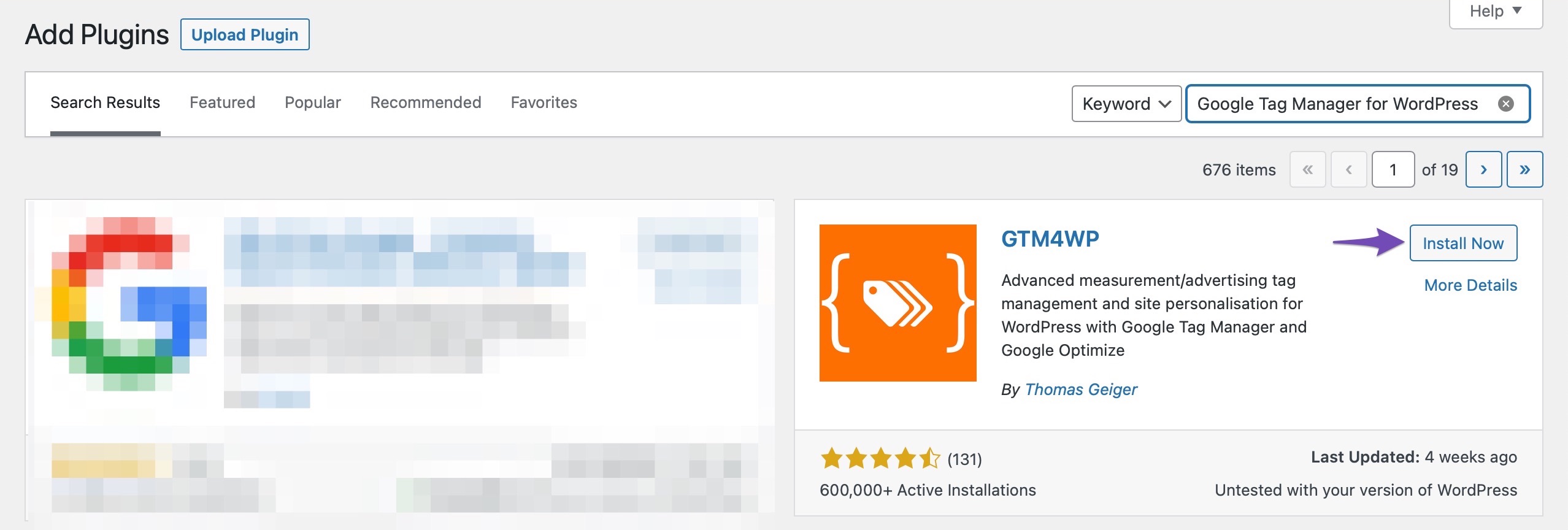
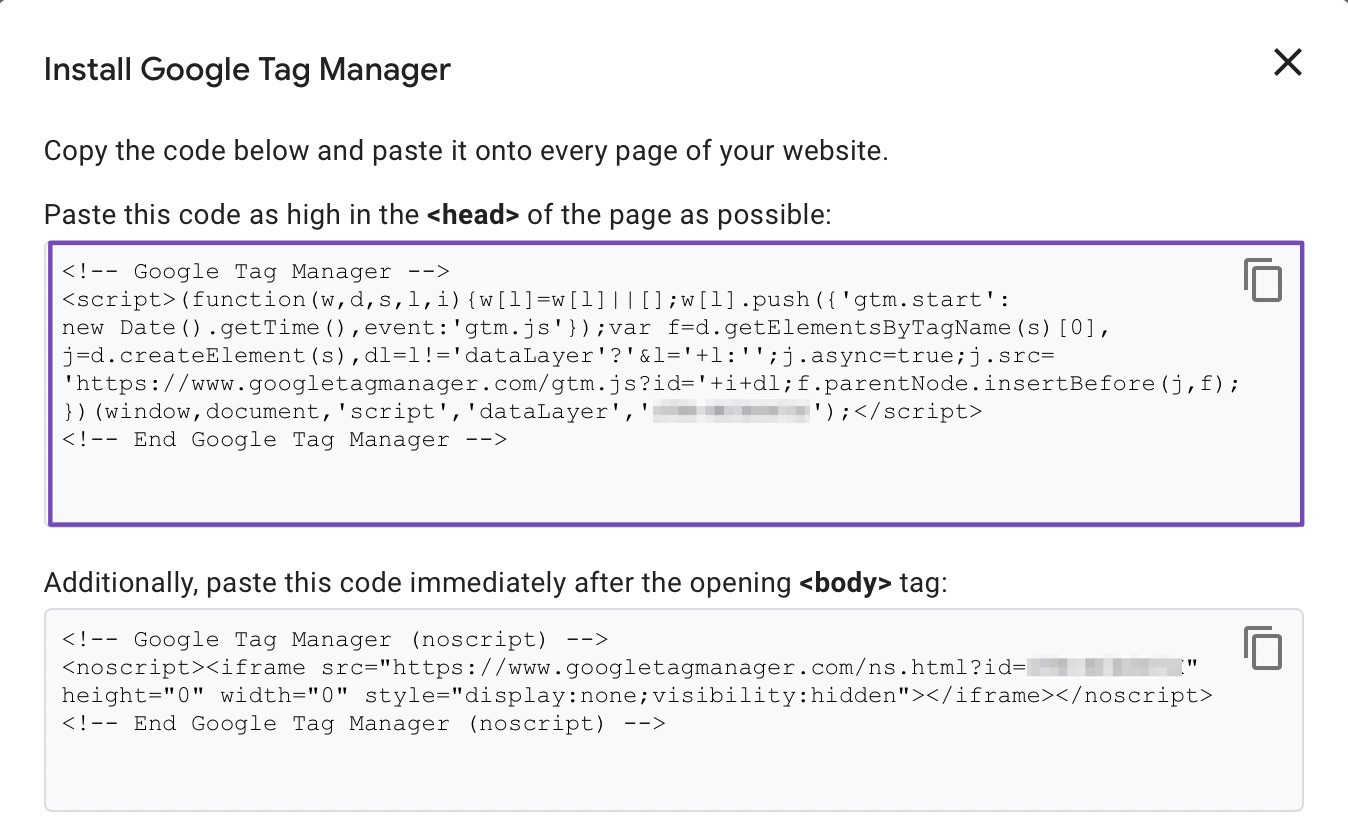
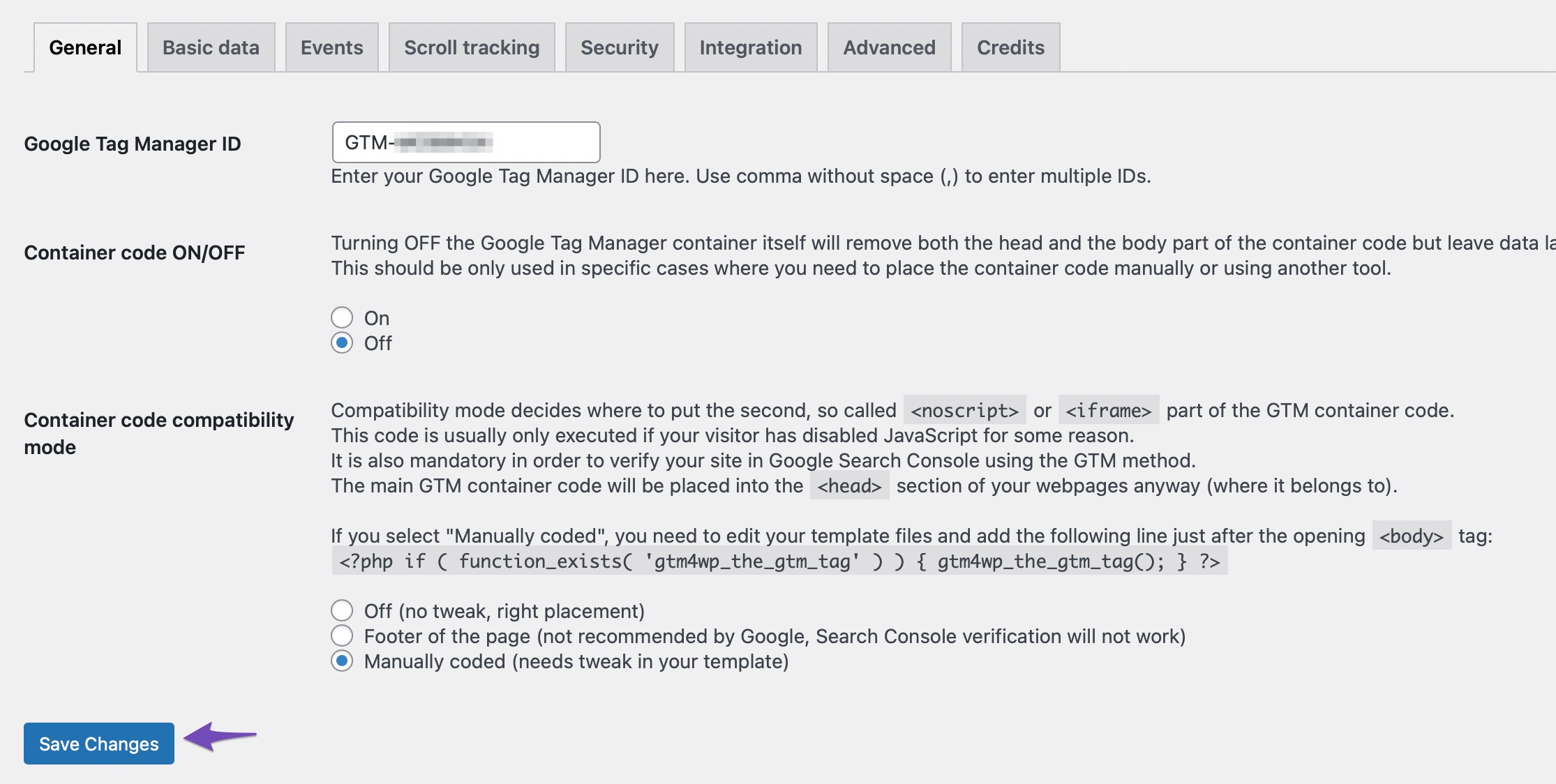
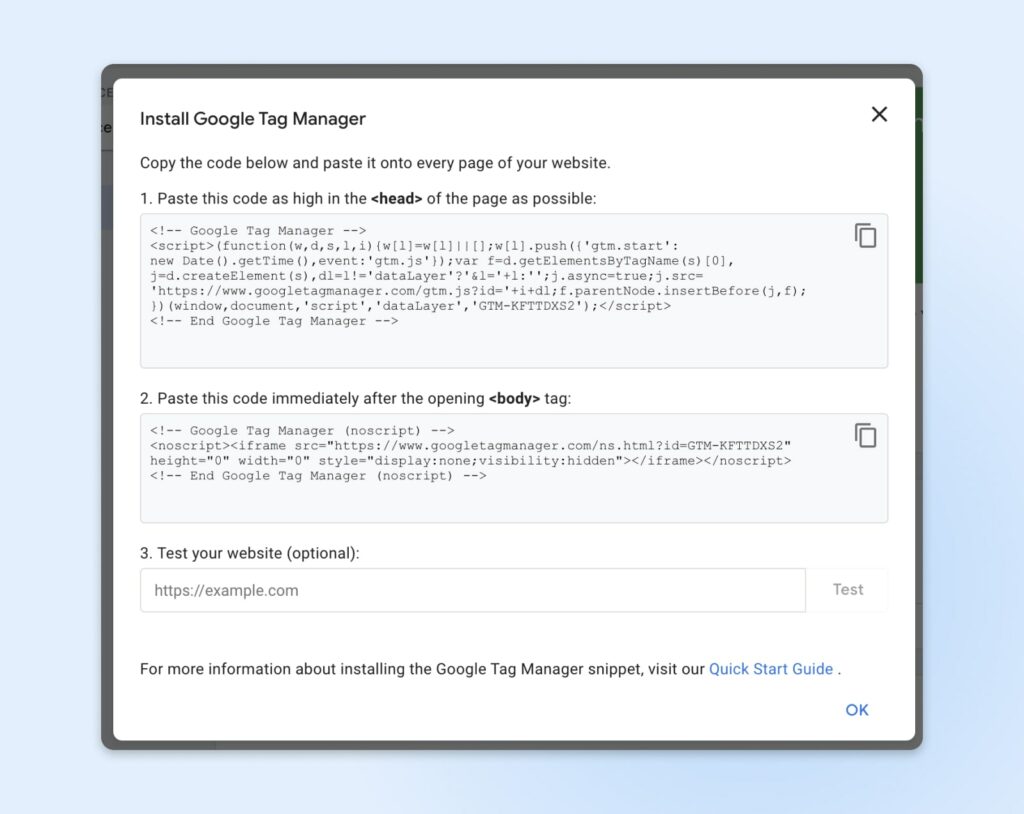
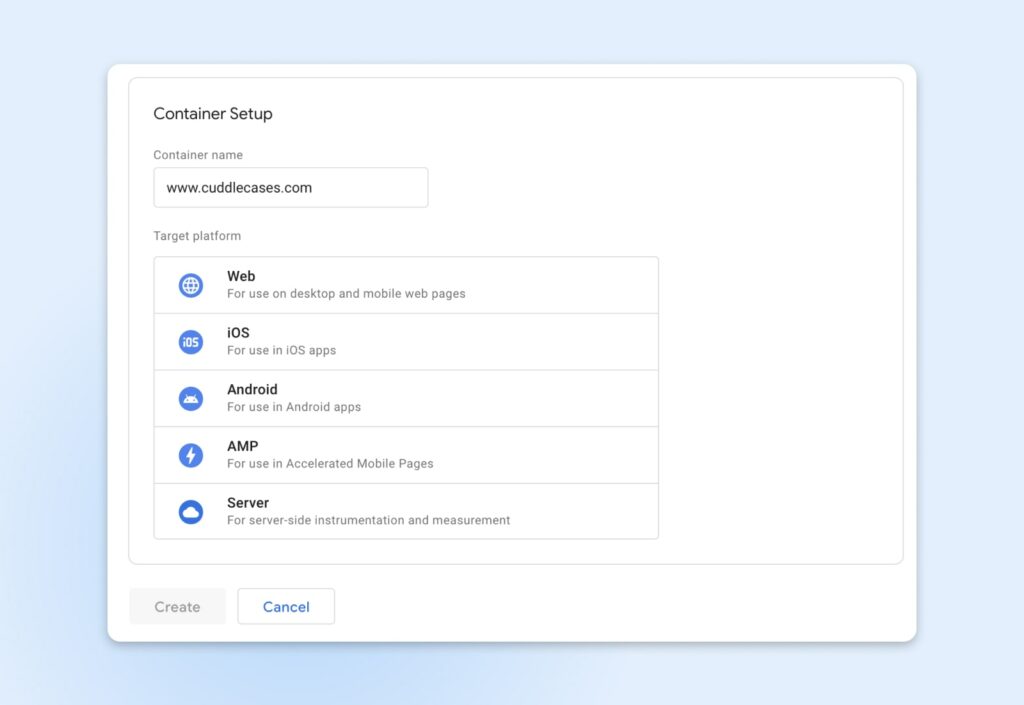
Now, about installing it on WordPress. The most common and arguably the easiest way to do this is by using a dedicated plugin. Think of it like adding a handy extension to your browser. Several excellent plugins exist, like "GTM4WP" (Google Tag Manager for WordPress) or "Tag Manager by Strateggi.co." Once you install and activate one of these, the plugin will guide you through the process. You’ll simply copy your unique GTM container ID (found in your GTM account) and paste it into the plugin’s settings. The plugin then takes care of inserting the necessary code snippets into your WordPress theme. It's a bit like plugging in a new device; the plugin does the heavy lifting behind the scenes!
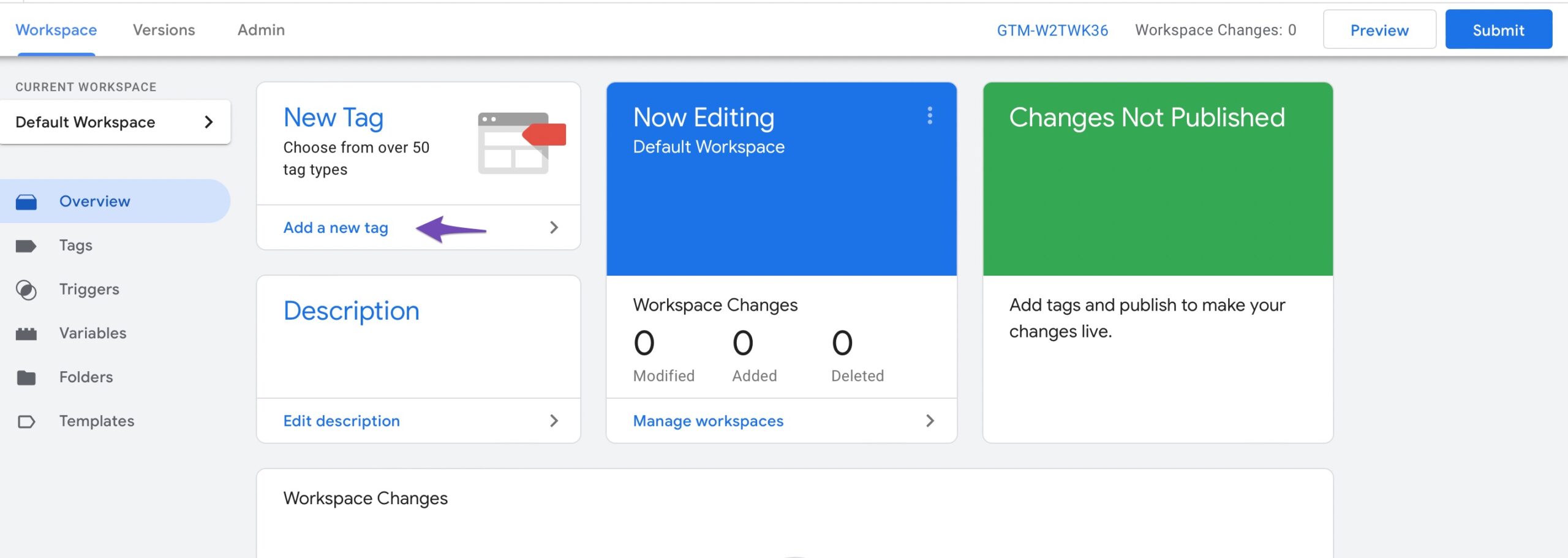
To truly enjoy this process and the insights it unlocks, a few practical tips can help. First, don’t be intimidated. Start with the basics, like setting up a Google Analytics tag. You don't need to be a coding guru to grasp the core concepts. Second, experiment! GTM is designed for flexibility. Try tracking clicks on specific buttons or form submissions. The more you play around, the more you’ll understand its power. Finally, remember that GTM is a tool for understanding. Use the data it provides to make informed decisions, celebrate your successes, and refine what isn't working. Happy tracking!