
What Is The Esp In A Car

Ever felt that little jolt, that almost magical nudge, when your car seems to know you're about to get a little too enthusiastic around a bend? That, my friends, is likely your car's superhero in disguise, the unsung hero of slippery roads and sudden swerves: the Electronic Stability Program, or as its cooler, shorter nickname goes, ESP.
Think of it as your car's built-in guardian angel, always on the lookout for trouble. It's not about making your car faster or giving it more horsepower. Nope, its mission is way more important – it's all about keeping you on the road and out of the ditch.
Imagine you're driving, and suddenly, the road is slicker than a greased pig at a county fair. Maybe it's rain, maybe it's ice, or maybe you just hit a patch of oil that looks suspiciously like a giant banana peel. Your car starts to slide, and for a terrifying moment, you feel like you've lost control.
Must Read
This is where ESP steps in, like a seasoned dance partner who gracefully corrects your awkward stumble. It doesn't wait for you to panic. Instead, it's constantly sniffing out what's happening with your wheels.
Using a bunch of fancy sensors, your car is always "talking" to itself. It's asking questions like, "Are all my wheels spinning at the same speed?" and "Is the car actually going where the driver is pointing the steering wheel?" These sensors are like tiny, super-attentive ears and eyes, listening to every rumble and observing every turn.
When ESP detects that your car isn't going where you intend – a situation often called "understeer" (where the car wants to go straight instead of turning) or "oversteer" (where the rear end wants to slide out) – it springs into action with a subtle, yet powerful, intervention.
It’s not a sudden, jarring force. It’s more like a gentle, firm hand guiding you back to safety. ESP can do this by selectively braking individual wheels. So, if the front left wheel is losing grip, it might tap the brakes on that specific wheel.

This targeted braking helps to straighten out your car, almost as if it's whispering, "Whoa there, partner, let's ease up a bit." It’s like having a tiny, invisible driving instructor who only appears when you need them most, and they're incredibly good at their job.
Another trick ESP has up its sleeve is reducing the engine's power. If it senses you're about to spin out, it can momentarily ease off the throttle. This takes away some of that extra oomph that might be contributing to the skid, giving you a chance to regain control.
Think of it as your car saying, "Okay, maybe we don't need all this speed right now. Let's take a breath." It’s a clever, automatic adjustment that happens faster than you can even register what's going wrong.
What's truly amazing is how quickly this all happens. We're talking milliseconds, folks! By the time you might even feel a slight slip, ESP has already analyzed the situation and started its corrective dance.
It’s like a guardian angel with lightning reflexes. It doesn’t replace good driving habits, mind you. You still need to be aware, pay attention, and drive according to the conditions.
But ESP is that extra layer of safety, that insurance policy against those moments when physics decides to play a trick on you. It’s particularly helpful for less experienced drivers or anyone who might find themselves in an unexpected slippery situation.
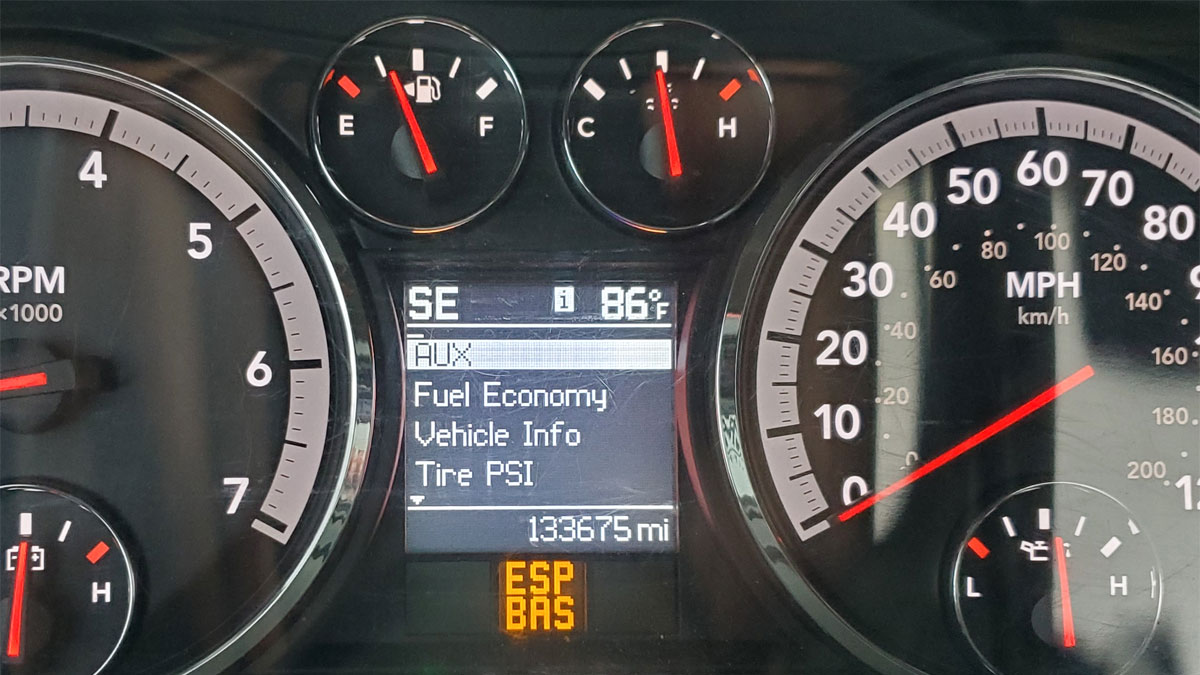
Have you ever noticed a little light on your dashboard that flashes when this is happening? That’s your ESP indicator, like a little winking eye letting you know it’s on duty. Some cars even have a button to turn it off, though it's usually best to leave it on unless you're a professional driver on a closed course.
Imagine you're a parent, teaching your teenager to drive. You're filled with a mix of pride and nervous anticipation. Then, one day, they hit a patch of gravel on a turn, and you brace for the worst. But before you can even gasp, you see the little ESP light blink, and your child's car smoothly corrects itself.
That's a heartwarming moment, right? It’s ESP giving you a little bit of peace of mind, knowing that technology is there to help protect your loved ones.
ESP has been around for a while, evolving from a niche safety feature to a standard in most new vehicles. Carmakers realized just how effective it was at preventing accidents, especially those involving loss of control.
It's a testament to human ingenuity, taking complex engineering and making it so seamless that you barely notice it's there. Until, of course, you really need it. Then, you're incredibly grateful for that little electronic guardian.
So, the next time you're driving, and you feel that subtle stability, that extra bit of confidence when the road gets tricky, give a little nod to the Electronic Stability Program. It's not just a piece of technology; it's a silent protector, a clever dancer, and a true friend to every driver on the road.
It's the unsung hero working behind the scenes, ensuring your journeys are not just enjoyable, but also wonderfully safe. It’s like your car giving you a gentle, reassuring hug when things get a little dicey.
Think of it as the difference between a clumsy tumble and a graceful recovery. And in the world of driving, that difference can mean everything. It's the technology that turns potential panic into a smooth sailing experience.
So, next time you see that flashing light, don't be alarmed. Smile, and thank your car's little electronic guardian angel for keeping you safe and sound on your adventures. It's a small piece of tech with a monumental impact.
.jpg?width=1440&fm=jpg&auto=format)