What Is The Colour Of The Sea

Have you ever stood at the edge of the ocean and just stared? It’s a mesmerizing sight, isn't it? And one of the first things that pops into your head is probably: “Wow, what colour is the sea?” It’s a question that seems so simple, yet the answer is wonderfully complex and endlessly fascinating.
Most of the time, we think of the sea as blue. A beautiful, deep, calming blue. But is it always blue? Nope! It’s one of the coolest things about our big, watery friend. The colour of the sea is like a chameleon, changing and shifting depending on so many things. It's like nature's own incredible art show, happening all the time, just for us to enjoy.
So, let’s dive in (pun intended!) and uncover the secrets behind the sea’s changing hues. It’s not just one colour; it’s a whole spectrum of blues, greens, and even sometimes grays and browns. And the best part? You don't need a special ticket to see this show. Just head to the coast, take a deep breath, and let your eyes do the exploring.
Must Read
The main reason the sea looks blue is all thanks to sunlight and how it interacts with water. Sunlight, as you know, is made up of all the colours of the rainbow. When sunlight hits the water, the water molecules are really good at absorbing the reds and yellows. But the blues? They get scattered. They bounce around, reaching our eyes from all directions, making the ocean appear blue.
Think of it like this: imagine you have a bag of colourful marbles. When you shake the bag, some marbles bounce out more than others. The water is like that bag, and blue is the marble that bounces out the most!
/GettyImages_482194715-56a1329e5f9b58b7d0bcf666.jpg)
It’s the scattering of blue light that gives the sea its classic, dreamy blue colour.
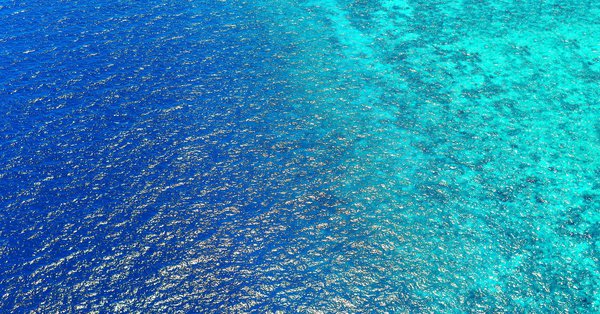
But here’s where it gets even more interesting. The depth of the water plays a big role too. In shallow areas, where the water is clear, you might see more of the sandy bottom. This can make the water look lighter, almost like a turquoise or a light aquamarine. It's like looking through a clear glass; you can see what's underneath.
As the water gets deeper, there’s more of that blue light scattering happening. So, the deeper the water, the more intense and vibrant the blue becomes. Imagine a vast, endless pool of pure sapphire. That’s the magic of deep ocean blues.
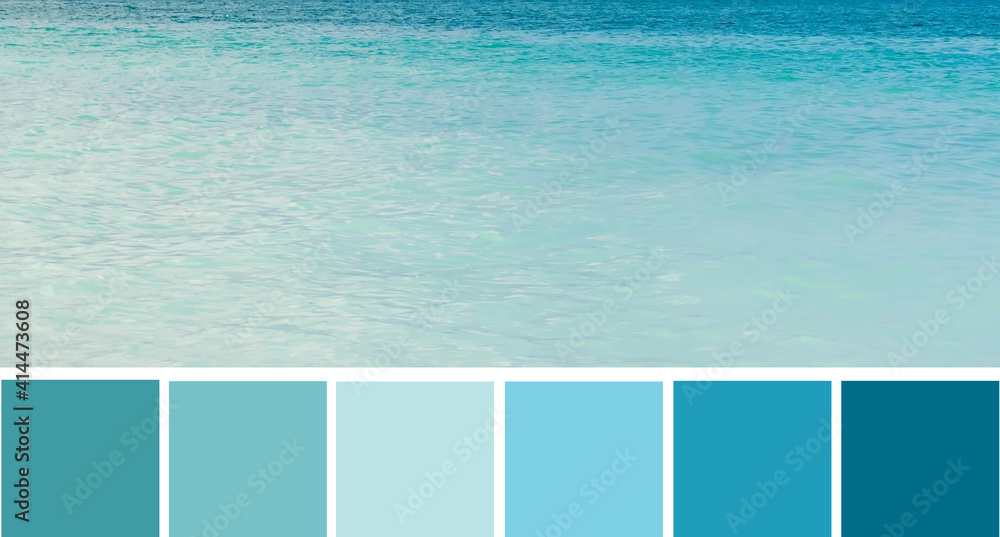
Then there are the other players in this colourful drama: plankton. These are tiny, tiny living things that float in the water. Some types of plankton, like phytoplankton, are green. They contain chlorophyll, just like plants on land, and they perform photosynthesis. When there are lots of these green plankton around, the sea can start to look more green than blue!
It’s not a bad green, mind you. It’s a vibrant, healthy, almost emerald green, especially in places where lots of nutrients are available for them to grow. Think of areas where rivers meet the sea, or in coastal zones with rich marine life. These can be incredibly green oceans, teeming with life and energy. It’s a different kind of beauty, a lively, dynamic colour that tells a story of abundance.
Sometimes, the sea can even look like it's wearing a coat of grey. This usually happens when the sky is overcast. The clouds block the sunlight, and the water reflects the duller colours of the sky. It’s not a sad grey, though. It can be a moody, dramatic grey, especially when there are big waves rolling in. It has a raw power to it, a sense of the wildness of nature.
And what about those days when the water is a bit murky, looking more like brown? This often happens near river mouths after a heavy rain. The rain washes soil and sediment into the rivers, and the rivers carry it out to sea. This makes the water cloudy. It’s less about the light scattering and more about the tiny particles suspended in the water, giving it that earthy tone. It’s a reminder of the connection between the land and the sea, how everything is linked.
Even the weather can be a painter. On a calm day, the sea is often a smooth, glassy surface, reflecting the sky. The colours are clearer, more defined. But on a windy day, the waves create choppy surfaces. These waves can catch the light differently, breaking up the colours and making them appear more dynamic, more lively. The white foam of the waves adds another layer of visual interest, like brushstrokes on a canvas.

And let’s not forget the sunsets and sunrises. Oh, the sea at sunset! The sky explodes with reds, oranges, and purples. The sea below mirrors this fiery display, turning into a shimmering canvas of warm, glowing colours. It’s like the sea is blushing, reflecting the passion of the dying day. These moments are truly magical, a reminder of the beauty that surrounds us if we just take the time to look.
So, the next time you’re by the sea, don't just see blue. See the subtle shifts, the hidden greens, the dramatic grays, and the earthy browns. See how the light plays on the surface, how the depth changes the hue, and how the tiny inhabitants of the ocean add their own splash of colour. It’s a constantly evolving masterpiece, and the best part is, it’s always there, waiting to surprise and delight you.
It’s a conversation starter, a mood setter, and a constant source of wonder. The colour of the sea isn't just a colour; it's a story. It’s a testament to the power of nature and the beauty of change. So go on, take a trip, stand by the water, and let the colours of the sea captivate you. You might be surprised at what you discover!