Can Cats Tell When You're Sad

Ever had one of those days? You know, the ones where the universe seems to have a personal vendetta against your good mood. Maybe your coffee spilled on your favorite shirt, your boss sent a passive-aggressive email, or you just woke up feeling… well, a bit blue. You flop onto the couch, sighing dramatically, and then suddenly, there they are.
Your cat. Your furry, enigmatic little roommate. They’ve likely been napping in a sunbeam, plotting world domination from the comfort of their favorite blanket. But the moment you succumb to a wave of sadness, it’s as if a tiny, furry radar dish has pinged. They’re suddenly at your side, a soft weight settling on your chest or a gentle head-butt nudging your hand. And it makes you wonder, do they actually know?
The short answer, my friends, is a resounding “yes, probably!” Now, before you start picturing them reading your diary or understanding the nuances of existential dread, let’s break it down in a way that’s as cozy as a cat nap on a rainy afternoon.
Must Read
It's All About the Vibe
Cats are masters of observation. They live in our homes, in our worlds, and they’re constantly soaking up information. Think about it: they know the exact time you usually feed them, the subtle creak of the fridge door that signals a potential treat, and the specific tone of voice that means they’re about to be scooped up for a cuddle (or an unwelcome vet visit!).
So, when you’re sad, you’re not just sitting there quietly. Your entire demeanor changes. Your body language might be different. You might be slumping a little, your movements might be slower, and you might even be… dare I say it… less energetic. Cats pick up on these subtle shifts. It’s like your personal aura has dimmed, and they notice.
Imagine your cat as a highly sophisticated emotional thermostat. They might not understand why you’re feeling down – they’re not going to offer you a shoulder to cry on and say, “There, there, everything will be okay.” But they can sense the temperature change in your emotional climate.

The Sciencey Bits (But Keep it Fun!)
For those who like a little more meat on their bones (or perhaps, kibble in their bowl), there’s some science to back this up. Studies have shown that cats are pretty good at recognizing human emotions, especially fear and happiness. While sadness might be a bit more subtle, it’s not entirely outside their radar.
They’re also incredibly attuned to our scent. When we’re stressed or sad, our bodies release different hormones and chemicals. Cats, with their super-powered noses, can likely detect these subtle changes. It's like a secret language of smells that tells them something is up.
Think of it this way: If you’ve ever been really sick, and your cat has been unusually clingy, it’s probably because they’ve smelled the change in your body chemistry. Sadness can trigger similar, though perhaps less dramatic, physiological responses.
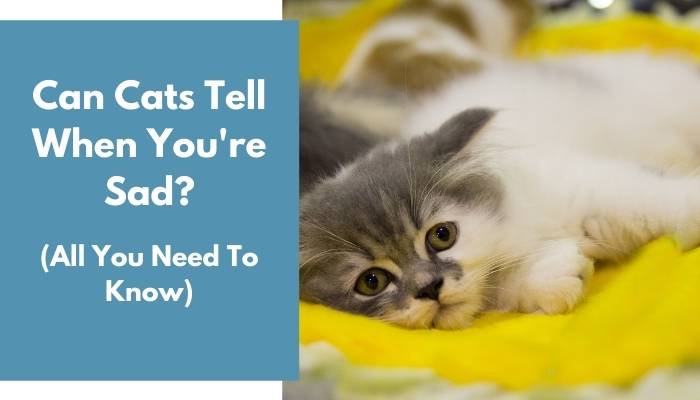
The Comforting Cling: What They Do and Why
So, they sense it. Then what? Well, they often react in ways that are incredibly heartwarming. That gentle purr that starts up when you’re feeling low? It’s not just a random noise. Cats purr for all sorts of reasons, but one of them is for self-soothing. When they purr for you, it’s a little like they’re saying, “Hey, I’m here, and this is helping me feel better, so maybe it’ll help you too.”
That little head-butt? It’s a sign of affection and ownership. They’re marking you, in a loving way, and reminding you that you’re part of their pride. It’s a way of saying, “You’re my human, and I care about you.”
And the ultimate feline comfort: the lap nap. When they decide your lap is the most comfortable spot in the universe, especially when you’re feeling down, it’s a big deal. They’re not just looking for warmth (though that’s a perk). They’re seeking connection. They’re offering their silent, steady presence, a furry anchor in your sea of emotions.

A Real-Life Example (Because Who Doesn't Love Cat Stories?)
My friend Sarah had a particularly rough week. Her beloved grandmother had passed away, and she was inconsolable. She spent most of a Saturday curled up in bed, tears streaming down her face. Her cat, a sleek black panther named Shadow, who usually preferred to keep a dignified distance, did something extraordinary.
He hopped onto the bed, something he rarely did unless it was for a very specific food-related reason. He didn’t demand treats or meow for attention. He simply curled up on Sarah’s chest, right over her heart, and started purring. It was a low, rumbling purr that seemed to vibrate through her very being. Sarah said that in that moment, with Shadow’s warm weight and constant purr, she felt a tiny flicker of peace. It didn’t erase her grief, but it made it feel a little less lonely.
That’s the magic. They don’t need to understand the complex reasons behind our sadness. They just understand that their human is hurting, and they offer what they can: comfort, connection, and a whole lot of love.
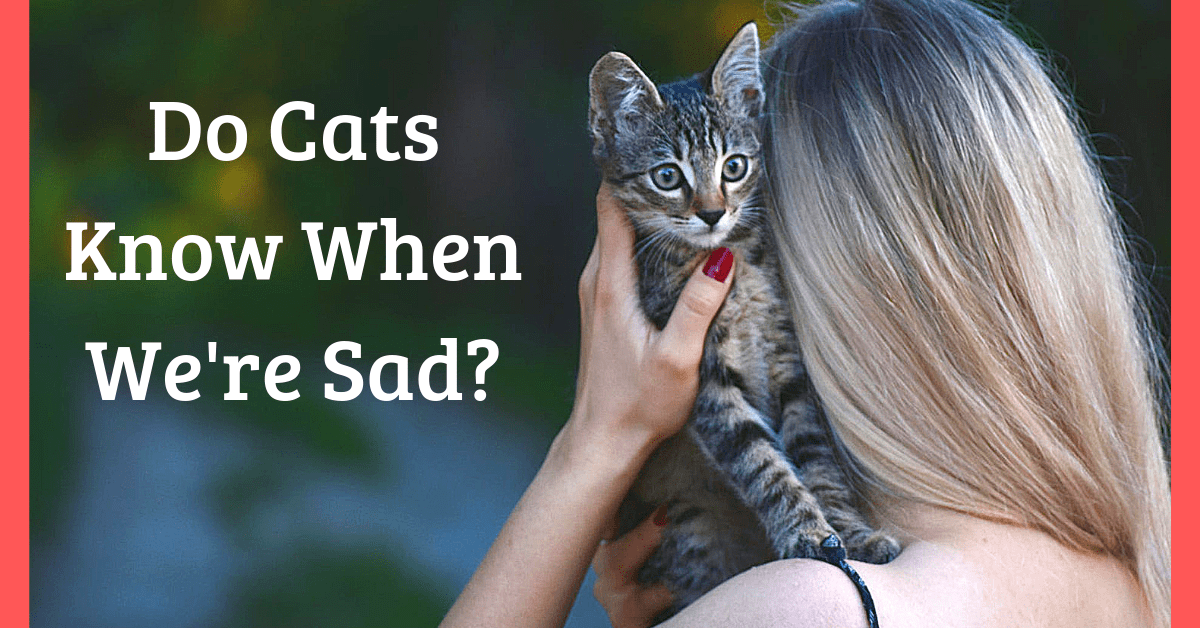
Why Should We Care About This?
Because it’s a beautiful reminder that we’re not alone. In a world that can sometimes feel overwhelming and isolating, our pets offer a pure, unconditional form of companionship. They’re not judging you for crying into your pillow or for having a bad hair day. They’re just there.
Knowing that your cat might be aware of your sadness can deepen the bond you share. It’s a testament to the incredible emotional intelligence of these creatures we’ve invited into our homes. It means that when you reach out for a furry friend during tough times, they might just be reaching back in their own quiet, feline way.
So, the next time you’re feeling a bit down, and your cat decides to grace you with their presence, take a moment to appreciate it. That gentle purr, that soft head-nuzzle, that comforting weight on your lap – it’s not just instinct. It’s a sign of their deep connection to you, a silent acknowledgment that they feel your feelings, in their own unique and wonderful way.
And honestly, isn’t that one of the most precious gifts we can receive? A silent, furry hug from a creature who just gets it, even if they can’t explain why.