What Is A Candle Wick Made Of

Ah, the humble candle. There's something undeniably comforting about a flickering flame, isn't there? Whether it's the warm glow casting dancing shadows on your walls, the gentle scent filling your home, or even just the simple act of lighting one during a power outage, candles have a special place in our lives. They transform a mundane space into a cozy sanctuary, set the mood for a romantic dinner, or provide a moment of quiet reflection. But have you ever stopped to wonder about the unsung hero that makes all this magic happen? We're talking about the candle wick!
The purpose of a candle wick is incredibly straightforward yet utterly essential. It’s the conduit that draws melted wax up to the flame, where it then vaporizes and burns. Without a wick, your candle would be nothing more than a beautiful lump of wax. It's the wick's job to feed the flame, ensuring a steady and consistent burn. This simple mechanism allows candles to provide light, create ambiance, and release delightful fragrances into our environments.
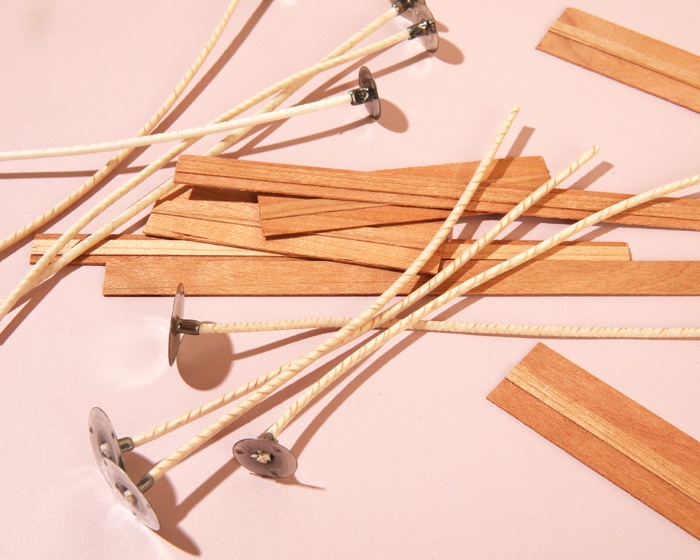
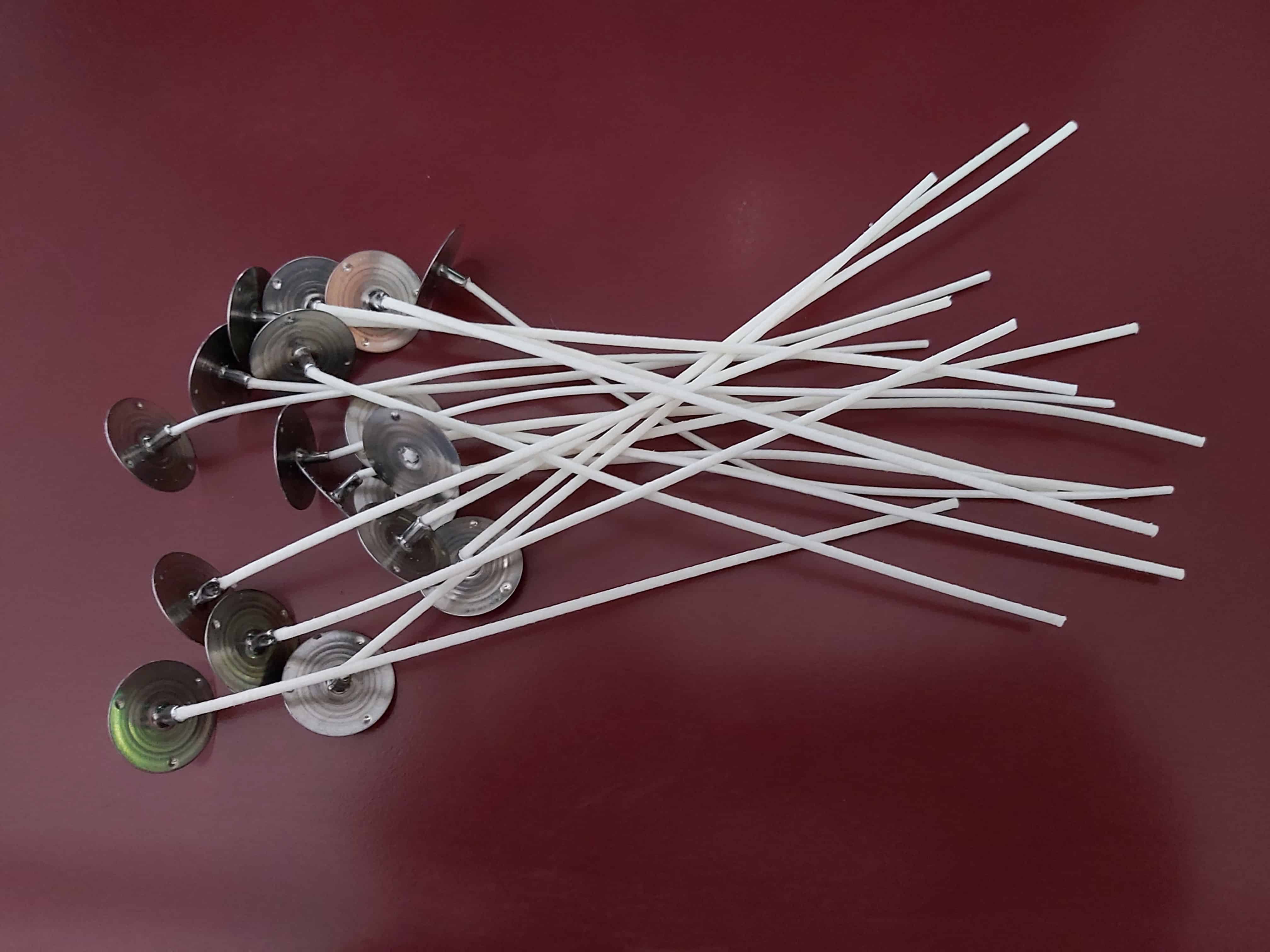
So, what exactly is this magical string made of? The most common material you'll find in your everyday candles is cotton. Yep, just like your favorite t-shirt! However, it's not just any old cotton string. Candle wicks are typically braided cotton threads, often with a core. This braiding and core structure are crucial for how the wick functions. Some wicks might also incorporate other natural fibers like linen, or even paper threads, to achieve specific burning characteristics. The goal is to create a material that will absorb wax effectively and burn cleanly.
Must Read
You’ll find these trusty wicks in a staggering variety of candles: from the tall, elegant taper candles used for special occasions to the small, tea-light candles that add a touch of sparkle to any room. Scented candles, pillar candles, jar candles – they all rely on this fundamental component. Even sophisticated gel candles, which appear to be made of jelly, often have a hidden cotton wick submerged within.
To get the most out of your candle experience, pay a little attention to that wick! For starters, always trim your wick before lighting. A good rule of thumb is to keep it about ¼ inch long. Why? A wick that's too long can lead to a large, smoky flame, uneven burning, and excessive soot. Trimming it regularly will give you a cleaner, more efficient burn and help your candle last longer. Secondly, when you first light your candle, let it burn long enough for the melted wax to reach the edges of the container. This is especially important for jarred candles and prevents 'tunneling,' where the wax melts down the center, leaving an unsightly ring of unburned wax around the sides. Finally, if your flame is flickering excessively or looks unstable, try gently straightening the wick while the wax is still liquid. A little care for your wick can make a world of difference in your candle's performance and your enjoyment of its lovely glow!