Ever find yourself staring out the window, wondering if that little drizzle is going to turn into a full-blown storm, or if that sunshine is here to stay? We all do! And while your trusty weather app is great, there's a whole other world of real-time, reliable, and sometimes even witty weather information out there that’s been buzzing for years: the National Weather Service (NWS) Twitter. Forget dry, technical jargon; the NWS on Twitter is like having a friendly, incredibly knowledgeable meteorologist in your pocket, ready to tell you what’s happening, what’s coming, and why it matters – all with a sprinkle of accessible language and helpful visuals.
Think about it: when you need to know if you should pack an umbrella, if that road trip is going to be a smooth sail, or if you need to prepare for a severe weather event, where do you turn? For many, it’s a quick scroll through social media. And that’s exactly where the NWS has made itself incredibly accessible. Their presence on Twitter isn't just about broadcasting facts; it's about fostering a community of informed individuals who can make smarter decisions about their day, their travel, and their safety. It’s incredibly useful, surprisingly fun, and undeniably popular for good reason!
More Than Just a Forecast: The NWS Twitter Advantage
So, what exactly makes following the National Weather Service on Twitter so special? It’s a multi-faceted gem that offers a wealth of benefits:
Real-Time Updates: Forget waiting for the evening news. NWS Twitter is where the action happens live. They’re constantly monitoring conditions, and if a storm starts brewing, a tornado warning is issued, or a heatwave is intensifying, you’ll hear about it instantly. This immediacy is crucial, especially when seconds can count during severe weather.
Hyper-Local Information: While the NWS has national accounts, they also have a network of local forecast offices that tweet about the specific weather impacting your town or region. This means you’re getting the most relevant and tailored information possible. No more generalized forecasts that don't quite fit your backyard!
Clear and Concise Communication: While meteorology can get complex, the NWS Twitter accounts are masters at breaking down information into digestible chunks. They use clear language, engaging graphics, and often reply to user questions, making the science of weather understandable for everyone.
Educational Content: Beyond just warnings, the NWS uses Twitter to educate the public about weather phenomena. You’ll find explanations of why certain events happen, tips for staying safe, and even fascinating tidbits about atmospheric science. It’s a constant learning experience!
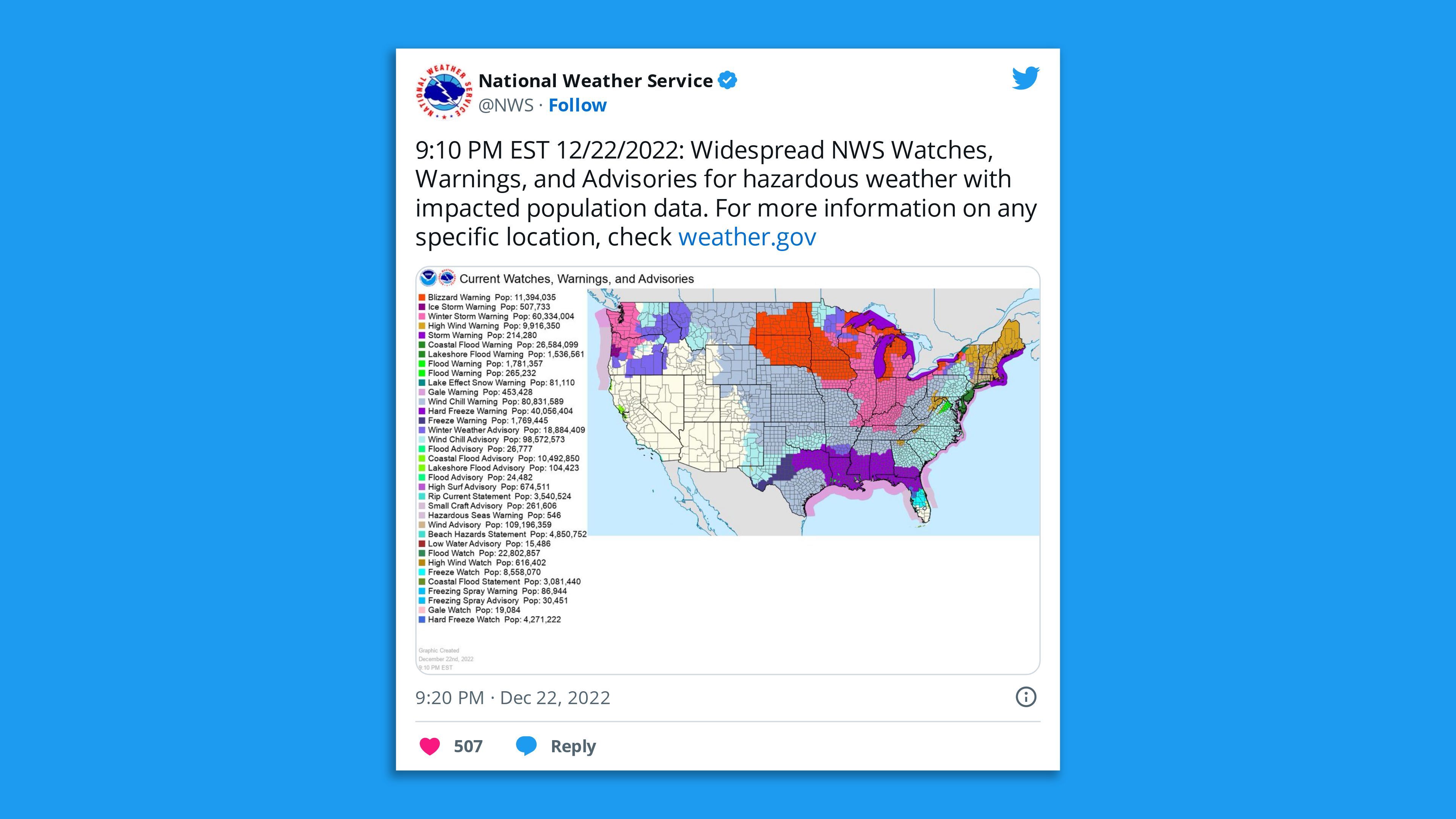
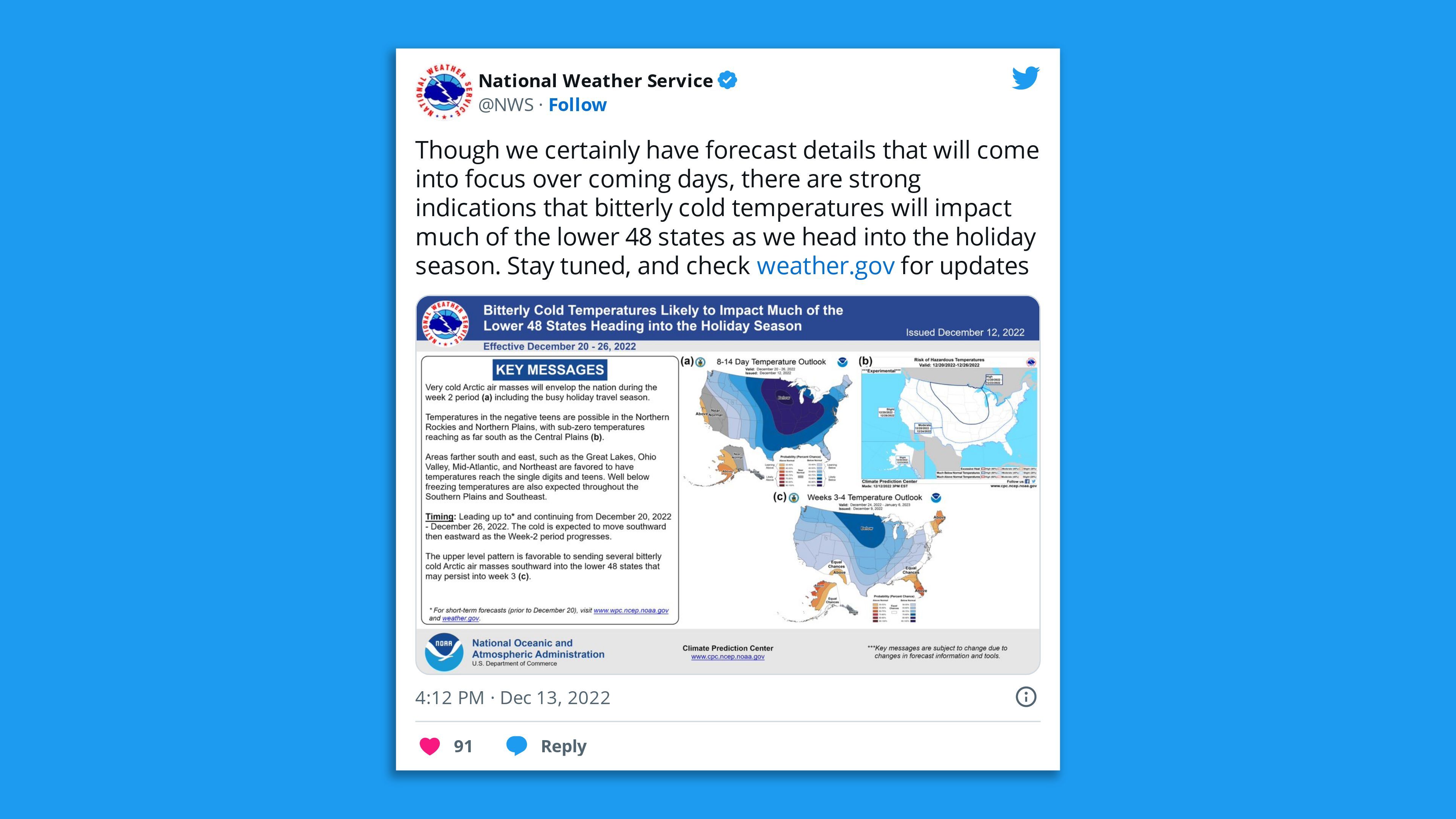
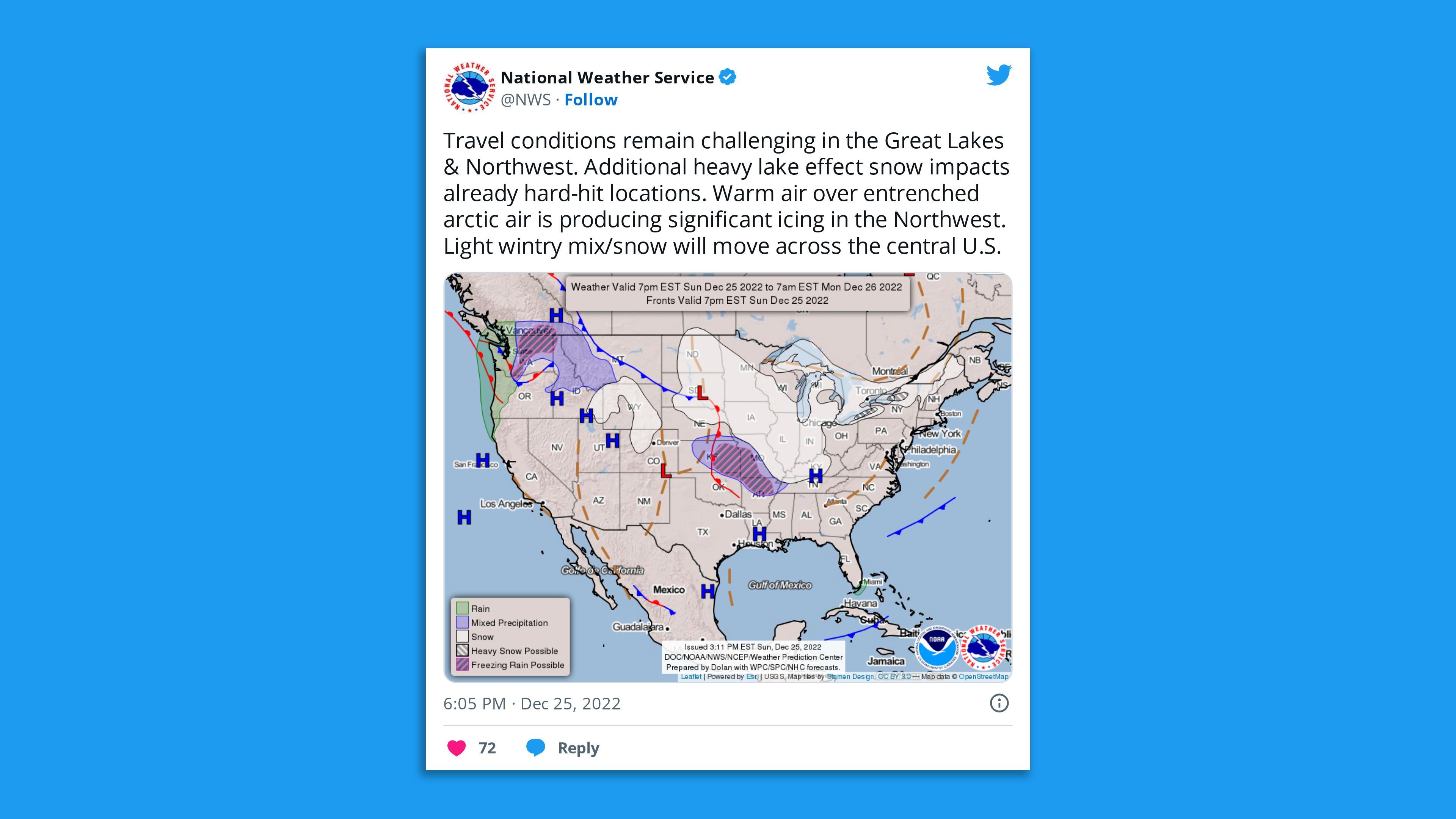
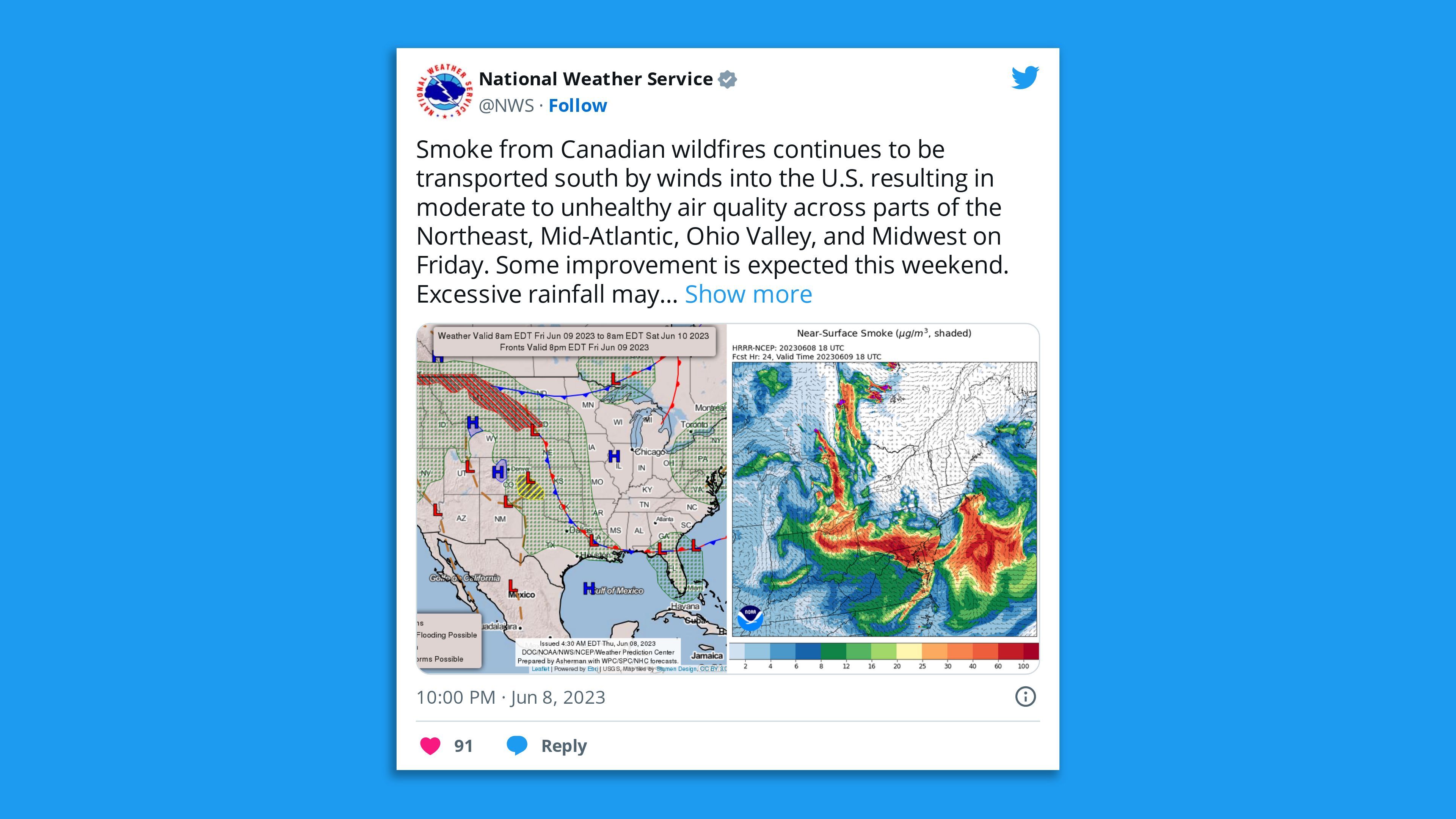
Visual Storytelling: Weather is inherently visual. NWS tweets are often accompanied by radar loops, satellite imagery, maps, and even stunning photos of atmospheric events. These visuals help paint a clearer picture of what’s happening and what’s to come, making the information more impactful and memorable.
Direct Access to Experts: When you follow the NWS, you’re essentially getting direct access to the experts. These are the people who are trained to interpret complex weather models and observations. Their insights are invaluable, especially during challenging weather situations.
Community Engagement: The NWS Twitter accounts often engage with their followers, answering questions, thanking them for observations, and fostering a sense of shared experience. It makes you feel like you’re part of a larger effort to stay weather-aware.
When the Sky Starts Talking: What to Expect
When you dive into the NWS Twitter feed, you’re going to see a variety of content designed to keep you informed and safe. Here are some common themes:
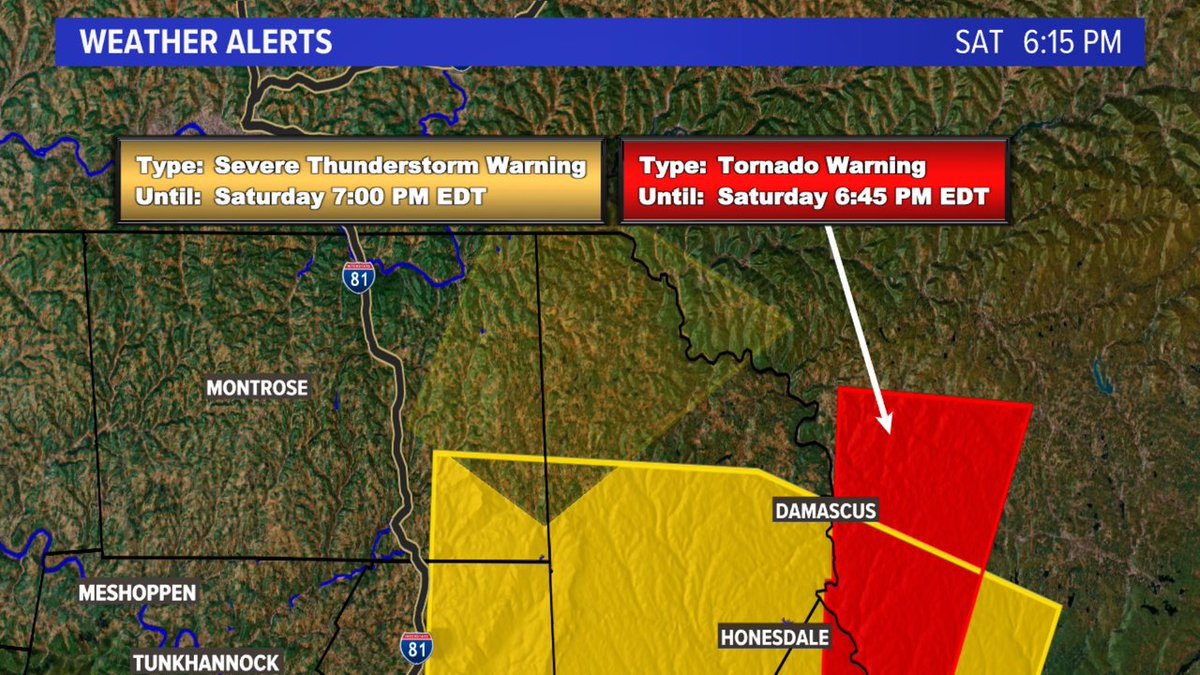
Severe Weather Alerts: This is arguably the most critical function. You’ll see alerts for thunderstorms, tornadoes, flash floods, hurricanes, blizzards, and more. These tweets are usually direct, to-the-point, and clearly state the affected area and the urgency of the situation. They often include links to the official NWS product for more details.
Winter storm sweeps U.S. with blizzard, tornado, flooding threats
Daily Forecasts and Discussions: Beyond the alerts, expect to find daily summaries of the upcoming weather. These can range from a simple, “Sunny and warm today!” to more detailed discussions about temperature trends, wind patterns, and precipitation chances. They’re excellent for planning your week.
Special Weather Statements: These are issued for conditions that don’t necessarily meet the criteria for a warning but are still noteworthy. Think prolonged heat, unseasonable cold, or fog. They help you prepare for less severe but still impactful weather.
Winter storm 2022: Power outages, travel delays, blizzards hammer U.S.
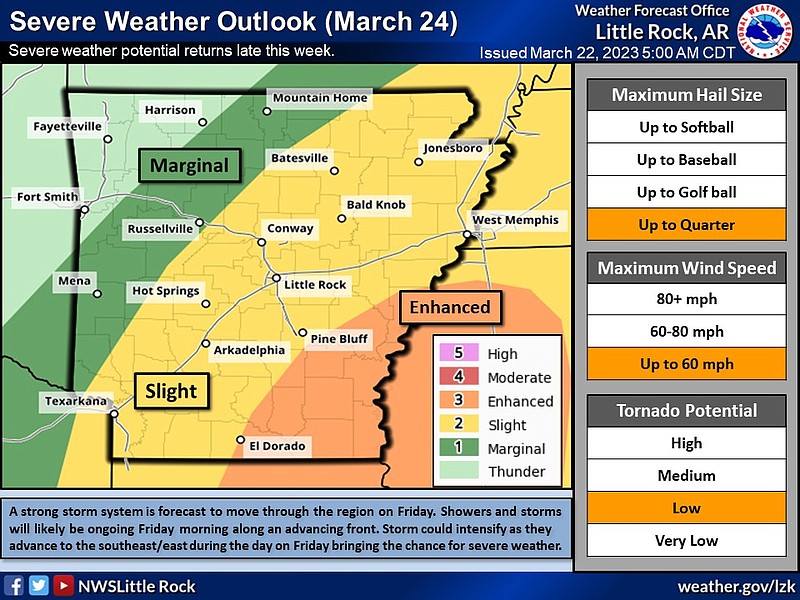
Educational Threads and Infographics: The NWS often creates threads explaining complex weather concepts, like how hail forms or what causes a derecho. They also use engaging infographics to illustrate weather safety tips or to highlight interesting meteorological facts. These are fantastic for understanding the 'why' behind the weather.
Behind-the-Scenes and “Weather Wonk” Content: Sometimes, you’ll get a peek behind the curtain, seeing how weather models are interpreted or learning about the dedication of the meteorologists. This adds a human element and shows the hard work that goes into providing these forecasts.
More Rain, Wind, Thunderstorms Headed Our Way | San Jose Inside
Navigating the NWS Twitterverse
To get the most out of the NWS on Twitter, here are a few tips:
Find Your Local Office: Search for your state or major city followed by “National Weather Service” to find the Twitter handle for your local forecast office. This is your go-to for region-specific information.
Follow National Accounts: Accounts like @NWS and @WMO (World Meteorological Organization) provide broader context and global weather insights.
Use Hashtags: NWS often uses relevant hashtags like #Weather, #Wx, #TornadoWarning, #FloodWarning, etc. Following these can help you discover important information.
Turn on Notifications (Strategically): For severe weather alerts from your local NWS office, consider enabling notifications. However, be mindful of overwhelming your feed if you don’t need constant updates.
Engage Respectfully: If you have a question, the NWS Twitter accounts are often responsive. Remember, they are busy professionals, so keep your inquiries clear and concise.
In a world where information is abundant but not always reliable, the National Weather Service Twitter presence stands out as a beacon of accurate, timely, and accessible weather intelligence. It’s an invaluable resource for anyone who wants to stay safe, plan effectively, and simply appreciate the dynamic power of the atmosphere. So, next time you’re curious about what the sky is up to, give them a follow – you might just find yourself weather-wise and wonderfully informed!