Diesel Exhaust Filter Cleaning

Hey there, fellow road warrior! So, you’ve got yourself a diesel vehicle, huh? Awesome choice! Diesels are tough cookies, built for the long haul and all that good stuff. But, just like us humans need a good detox every now and then, your trusty diesel beast needs a little TLC for its… well, for its exhaust. Yep, we're talking about that little gizmo called the Diesel Particulate Filter, or DPF for short. Think of it as your truck's personal lung cleaner, and it’s our mission today to make sure those lungs are breathing easy!
Now, don't let the technical jargon scare you. Cleaning your DPF is way less intimidating than it sounds. Honestly, it’s more like giving your car a spa day, a really dirty spa day, but still! We're going to break it down, nice and simple, so you can keep your diesel chugging along happily without any grumpy warning lights staring back at you.
The Nitty-Gritty on Your DPF: What is it and Why Should I Care?
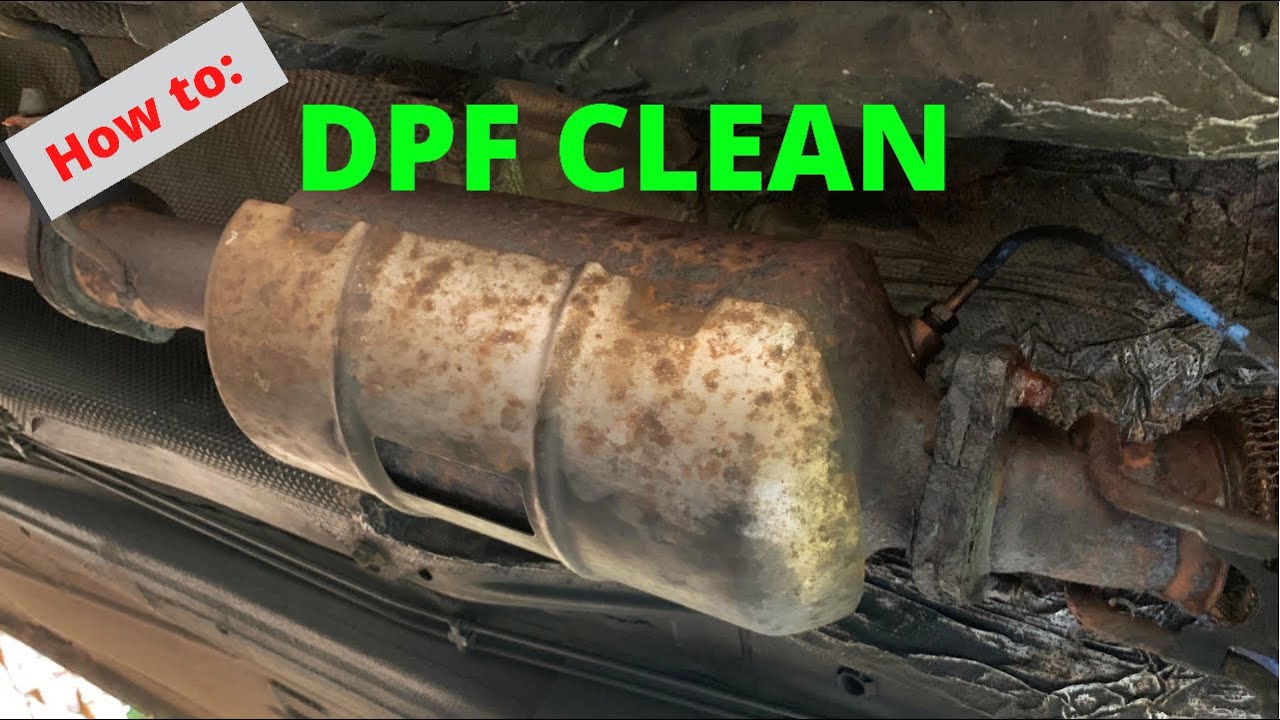
Alright, so what exactly is this DPF? Basically, it's a fancy-schmancy filter that sits in your exhaust system. Its job? To catch all those nasty little soot particles that your diesel engine kicks out. We’re talking the black, sooty stuff that makes diesel exhaust so… diesel-y. The DPF is like a microscopic sieve, trapping these particles before they get a chance to escape into the atmosphere and make us all cough. Pretty cool, right?
Must Read
But here's the catch: just like a coffee filter, it can only hold so much. Eventually, that soot builds up. And when it builds up too much, things start to get… clogged. Imagine trying to sip a milkshake through a straw that's packed with ice cream. Not fun. And that’s exactly what happens to your DPF. When it’s full, your engine starts to struggle, you might notice a drop in performance, and if you’re really unlucky, a rather alarming dashboard light will flicker on. Nobody wants that!
The "Uh Oh" Signs: When Your DPF Needs Some Love
So, how do you know if your DPF is starting to feel a bit… congested? Well, your truck is pretty good at telling you. Keep an eye out for these tell-tale signs:
- Reduced Engine Power: If your normally mighty diesel suddenly feels like it’s running on fumes, your DPF might be restricting the exhaust flow. It’s like it’s saying, “Dude, I can’t breathe!”
- Illuminated DPF Warning Light: This is the big one. If that amber light on your dashboard pops on, it’s your DPF’s way of shouting for attention. Don't ignore it!
- Increased Fuel Consumption: When your engine has to work harder to push exhaust through a clogged filter, it guzzles more fuel. Your wallet will definitely notice this one.
- Strange Smells: Sometimes, a struggling DPF can lead to unusual smells coming from your exhaust. Think of it as your truck’s way of saying, "Something's not right in Denmark!"
- Engine Stalling or Rough Idling: If your engine is sputtering or stalling, especially at idle, your DPF is probably a major culprit.
See? Your truck is basically a walking, talking (well, glowing) indicator of its own health. You just need to learn its language.
The Magic of Regeneration: Letting Your DPF Clean Itself (Sometimes!)
Now, before you panic and start thinking about a full-blown surgery on your exhaust, let’s talk about something called "regeneration." This is where your DPF actually tries to clean itself. Pretty neat, huh? It’s a process that your vehicle's computer automatically triggers, usually when certain conditions are met.
:max_bytes(150000):strip_icc()/Diesel20exhaust20filter_32bfd170a1981ffbac9348bd4b32954bc1fd886b5B15D-2-2000-c052950db55c4c7893fd1b56513849e3.jpg)
Essentially, during regeneration, the engine will temporarily increase exhaust temperatures. This high heat burns off the accumulated soot, turning it into ash. Think of it like a mini-incinerator for your DPF! This usually happens when you're driving at consistent highway speeds for a decent amount of time. That’s why those long road trips are actually good for your diesel!
However, regeneration isn't always a magic bullet. If you do a lot of short trips, stop-and-go city driving, or very gentle cruising, your engine might not get hot enough for the automatic regeneration to complete successfully. This is when the dreaded warning light tends to appear. It’s like trying to boil water by just warming it up – it never quite gets there!
Passive vs. Active Regeneration: A Little Nuance
To get a little bit technical (just a smidge, I promise!), there are two types of regeneration: passive and active.
Passive regeneration happens naturally during normal driving conditions. The exhaust temperatures are just high enough to burn off some of the soot. It’s like a gentle simmer.
Active regeneration is when the engine’s computer deliberately raises the exhaust temperature to burn off more stubborn soot. This is the more aggressive cleaning process, and it’s what usually kicks in when the DPF is getting pretty full. It’s the full-on boil!

If your truck is doing mostly short trips, it’s like it’s stuck in passive mode forever, never getting the chance to really cook out that soot. And that, my friends, is a recipe for a clogged DPF.
When Self-Cleaning Isn't Enough: Manual DPF Cleaning Options
Okay, so your DPF needs a little more than just a gentle nudge. What are your options when that warning light is staring you down like a disappointed parent?
1. The "Drive it Like You Stole It" Method (For Mild Clogs)
Sometimes, if the clog isn't too severe, a good, long drive at higher speeds can do the trick. Find an open highway, put your truck in a lower gear (to keep the RPMs up), and just cruise for about 30-60 minutes. This can help the engine reach the temperatures needed for active regeneration. It’s like giving your truck a vigorous brisk walk to clear its airways!
Important Note: Don't force this if your warning light is flashing or if the engine is really struggling. This method is best for when the light is solid and the engine is just feeling a bit sluggish. Always consult your owner's manual or a mechanic if you're unsure!

2. DPF Cleaning Additives: A Little Help in a Bottle
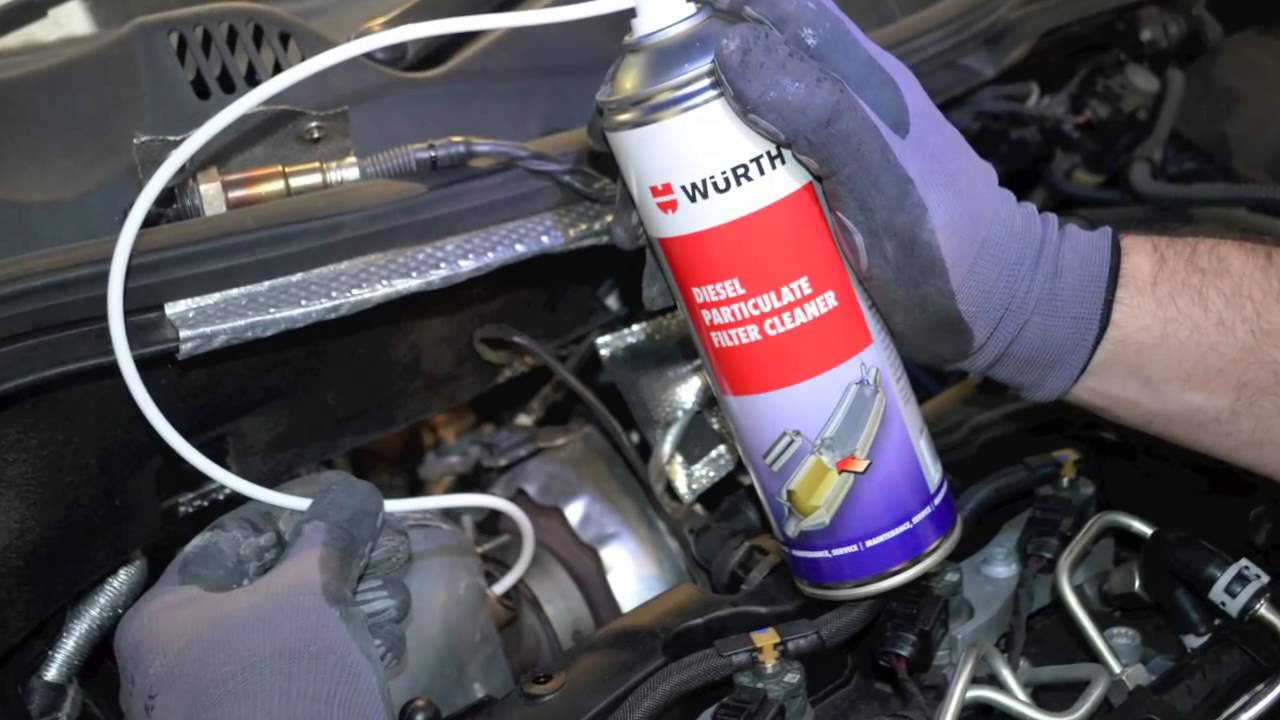
There are various DPF cleaning additives you can pour into your fuel tank. These chemicals are designed to lower the ignition point of the soot, making it easier for the engine to burn off during regeneration. Think of it as adding a little accelerant to the fire, but a safe, controlled one!
These can be helpful, especially for those who do a lot of city driving. Just make sure you get a reputable brand and follow the instructions to the letter. It’s not rocket science, but it’s not exactly magic pixie dust either. It’s a supportive treatment.
3. Professional DPF Cleaning: The Big Guns
If the above methods don't work, or if your DPF is severely clogged, it's time to call in the cavalry. Professional DPF cleaning services are your best bet. They have specialized equipment to thoroughly clean your filter. This can involve:
- Forced Regeneration: A mechanic can hook up diagnostic tools to your truck and force the regeneration process. This is a controlled burn-off that can clear even stubborn clogs.
- Baking or Air Knife Cleaning: Some services use ovens to bake out the soot, or high-pressure air to blast it away. This is like a deep-cleaning facial for your DPF.
- Ultrasonic Cleaning: For really tough cases, ultrasonic cleaners can be used to break down and remove soot particles.
This is generally the most effective solution for a heavily clogged DPF. It might cost a bit more upfront, but it’s often cheaper than replacing the entire DPF, which can be a real wallet-buster. Seriously, replacing a DPF can cost you more than your last vacation!
The "Don't Do This" List: Things to Avoid Like the Plague
Just like there are good ways to clean your DPF, there are also some things you absolutely should not do. These can cause more harm than good, and nobody wants that!

- Ignoring the Warning Light: This is like ignoring a toothache. It’s going to get worse, and it will eventually lead to more expensive problems.
- Using the Wrong Cleaning Products: Not all additives are created equal. Using the wrong one could damage your DPF or other exhaust components. Stick to trusted brands and recommended products.
- Trying to Physically Remove the DPF: This is a big no-no! In most places, it's illegal to remove or tamper with your DPF. Plus, your engine is programmed to work with it. Removing it can cause serious engine damage and lead to hefty fines. It’s like trying to remove your appendix and expecting to be fine – your body needs it!
- Over-Saturating with Additives: More isn't always better. Too much additive can be just as bad as too little. Follow the dosage instructions carefully.
Remember, your DPF is a vital part of your diesel's emissions system. Treat it with respect, and it will serve you well for years to come!
Preventative Measures: Staying Ahead of the Clog
The best offense is a good defense, right? So, how can you keep your DPF happy and healthy before it starts complaining?
- Regular Oil Changes: Use the correct, low-ash diesel engine oil recommended by your manufacturer. Regular oil changes with the right oil are crucial for DPF health. The wrong oil can accelerate soot buildup.
- Give it the Beans (Occasionally!): Don't be afraid to take your diesel out for a good highway run every now and then. Regular high-speed driving helps with passive and active regeneration.
- Avoid Excessive Idling: Try to minimize long periods of idling. This can prevent the exhaust system from reaching the necessary temperatures for regeneration.
- Mind Your Driving Habits: If you mostly do short trips, try to plan longer drives when possible. If that's not feasible, consider using a DPF cleaner additive more proactively.
- Listen to Your Truck: Pay attention to any subtle changes in performance or unusual sounds. Early detection is key!
By incorporating these simple habits into your routine, you can significantly reduce the chances of encountering DPF problems. It’s like eating your veggies – you might not always want to, but it’s good for you in the long run!
The Sweet Reward: A Happy Diesel and a Happy You!
So there you have it! DPF cleaning doesn't have to be a daunting task. It's all about understanding what your DPF does, recognizing when it needs attention, and taking the right steps to give it the care it deserves. Whether it's a good long drive, a helpful additive, or a professional touch, keeping your DPF clean is an investment in your diesel's longevity and your own peace of mind.
Imagine this: no more worrying warning lights, smooth and powerful acceleration, and that satisfying hum of a healthy diesel engine. You're not just keeping your truck running; you're contributing to cleaner air, and that’s something to feel good about. So, go on, give your DPF a little love, and enjoy the sweet reward of a happy, healthy, and powerful diesel that's ready for whatever adventure you throw its way. Happy trails, and happy breathing!