Make Vinyl Record
Hey there, music lovers! Ever stared at your ever-growing vinyl collection and thought, "You know what would be really cool? Making my own damn record!" Yeah, I've been there. It's like a little voice in your head whispering sweet, analog dreams. And guess what? It's not entirely as impossible as it sounds. Now, before you start picturing yourself in a smoky, clandestine vinyl factory, let's be real: making a professional-grade record from scratch at home is a Herculean task. It involves some seriously specialized equipment and a deep understanding of physics. But! We can totally dip our toes in the analog waters and explore the idea of making a record, or even get pretty darn close with some creative approaches. So, grab your favorite beverage, get comfy, and let's dive into the wonderfully weird world of making vinyl!
First things first, what even is a vinyl record? It's basically a groove carved into a disc of plastic (usually PVC). When your needle (stylus) traces that groove, it vibrates, and those vibrations are amplified into the glorious music we know and love. It's like a tiny, intricate map of sound, etched for eternity (well, almost). Think of it as a super-cool, analog USB drive. Instead of digital ones and zeros, it's all about wiggles and bumps. Pretty neat, huh?
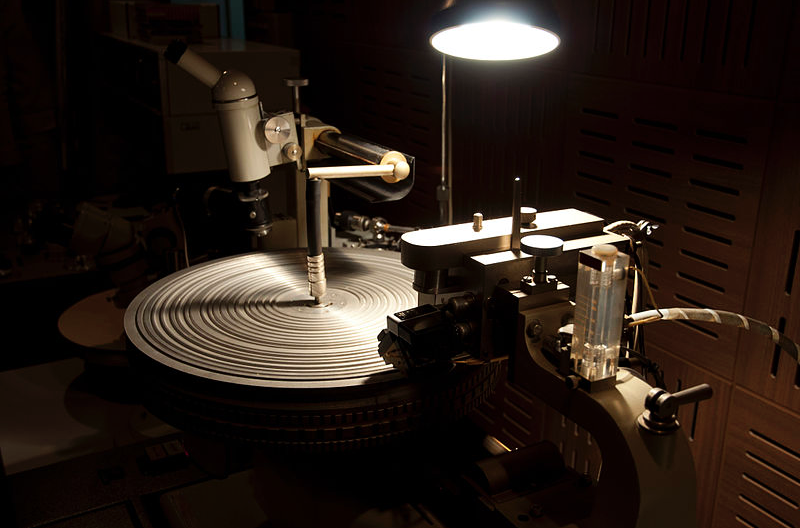
Now, the "making" part. For the true, professional route, you're looking at a multi-step process that's usually handled by dedicated mastering houses and pressing plants. It’s a whole operation, folks. They take your digital audio files (or analog masters, if you're feeling old-school) and prepare them for the vinyl medium. This involves something called lacquer cutting. They use a special lathe with a cutting head that literally carves the sound waves into a soft, lacquer-coated aluminum disc. This is your master disc. It's a one-off, and super fragile, like a prima donna opera singer's vocal cords. One scratch and poof, a whole side of your album is gone. Talk about pressure!
Must Read
Then comes the magic (and the actual "pressing") part. The lacquer disc is used to create metal mothers and stampers. Think of these as high-tech cookie cutters for your vinyl. They're made of metal and are super durable. The stampers are what actually press the PVC pellets (which are heated up to a molten state, because, you know, science!) into the familiar disc shape, impressing the grooves from the stamper onto the soft vinyl. It's a bit like making a very fancy, very loud pancake. You pour the batter (molten PVC), then you press down with a mold (the stamper) to get the shape and the grooves. And voilà! You have a record! Or at least, the beginnings of one.
So, that's the "real deal." Impressive, right? Makes you appreciate that little black disc a whole lot more. But what if you're not ready to invest in a $50,000 lathe and a small army of engineers? Fear not, my aspiring vinyl artisans! There are other, more accessible ways to get your hands dirty with the concept of making your own record.

DIY Vinyl Dreams (Kind Of!)
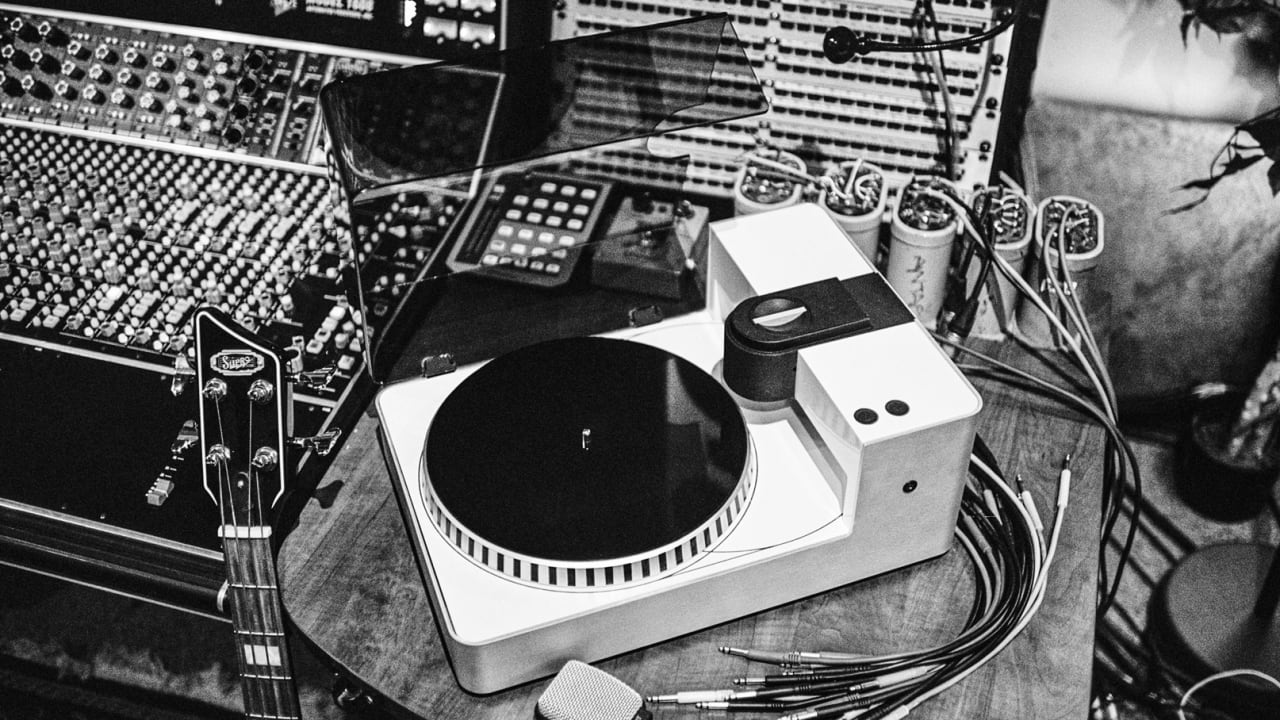
Let's talk about the more… experimental side of things. You can actually get your hands on a home vinyl cutting machine. These are significantly smaller and more affordable than the professional ones. They’re usually designed for hobbyists or small-batch producers. They work on a similar principle: a cutting head carves grooves into a blank disc. However, the quality and durability won't be quite the same as a professionally pressed record. These machines typically use softer materials for the blank discs, like aluminum or even thicker plastic. They’re awesome for making one-off demos, personal gifts, or for experimenting with sound and its physical representation. Imagine cutting a spoken-word poem, a unique soundscape, or a heartfelt message for someone special. That’s pretty darn cool!
The process with a home cutter is still pretty involved, though. You'll need to prepare your audio carefully. This means mastering it specifically for vinyl. Vinyl has limitations, you see. You can't have frequencies that are too low or too high, or the needle will literally jump out of the groove. Dynamic range also needs to be considered. It's a bit of a balancing act, like trying to carry a precariously stacked tower of fine china. You have to be delicate but firm.
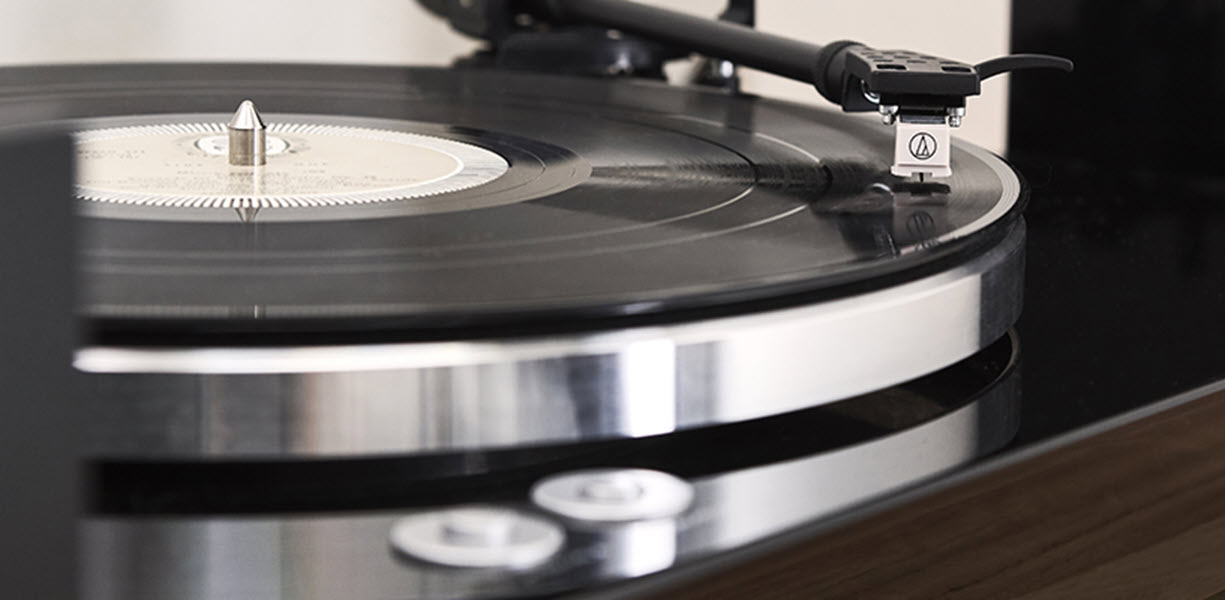
Once your audio is prepped, you load it onto the machine. You place a blank disc on the turntable, thread your cutting stylus (which is basically a needle that cuts, not just plays), and hit play on your audio source. The machine then meticulously carves the sound waves onto the disc. You’re literally watching your music being etched into existence! It’s a mesmerizing process. Some machines even allow you to cut both sides of the record in one go, though most will have you do it separately. Think of it as an incredibly rewarding, albeit slow, drawing session where the drawing sings.
The sound quality on these home-cut records can be surprisingly good, especially for spoken word or acoustic music. For heavily compressed, bass-heavy tracks, you might run into some issues with skipping or a bit of distortion. But hey, it’s your record! It has a certain charm, a handmade feel that you just can’t replicate with mass production. It’s the difference between a perfectly tailored suit and a cozy, hand-knitted sweater. Both are great, but they offer different kinds of warmth.
Another avenue, if you’re feeling particularly adventurous (or just a little bit crazy), is to explore direct-to-disc recording. This is where you record the music directly to a lacquer disc, bypassing the digital realm entirely. This is how it was done in the early days of recording! It requires impeccable performance because there’s no editing or overdubbing. You mess up, you start again. It’s like a musical tightrope walk. You're capturing the raw energy and imperfections of a live performance in its purest form. This is for the purists, the sonic archaeologists! It’s not easy, but the resulting sound can be incredibly immediate and dynamic. It’s like tasting food cooked over an open fire versus microwaved – a different, often more profound, experience.
Beyond the Cutting: What Else Can You "Make"?
Okay, so maybe cutting your own groove is still a bit too much commitment right now. What else can we do to feel like we’re part of the vinyl-making journey? Well, you can become a master of the record label. Seriously! Starting your own independent record label is a fantastic way to support the artists you love and to be involved in the creation of vinyl releases. You'll work with pressing plants, design artwork, and get a real feel for the business side of putting a record out into the world. It’s a whole other kind of creative endeavor, focusing on curation and presentation rather than direct physical manipulation of the groove.
Think about the artwork for a record cover. It’s an art form in itself! Designing that big, beautiful square that houses the music is a huge part of the vinyl experience. You can collaborate with artists, create your own designs, and really make a statement. It’s like being a director for the visual aspect of your favorite songs. You’re creating a whole package, a tangible piece of art that complements the audio.
And then there's the whole aspect of collecting and appreciating. Even if you're not physically making the grooves, understanding the nuances of different pressings, mastering engineers, and the history of vinyl production can be incredibly fulfilling. You can become an expert on the subtle differences between a first pressing and a reissue, or the unique sonic characteristics of a particular era of recording. It’s like becoming a sommelier, but for music on wax!
You can also explore record cleaning and maintenance. Keeping your precious vinyl in tip-top shape is a form of "making" – you’re preserving its sound quality and longevity. Investing in good cleaning supplies, learning the proper techniques, and treating your records with care ensures that the music sounds its best for years to come. It’s an act of love and dedication. You’re not just a listener; you’re a curator and caretaker of your sonic treasures.
Perhaps the most accessible and fun "making" you can do is to create your own playlists and share them. While not a physical record, curating a collection of songs that tell a story, evoke a mood, or celebrate an artist is a creative act. Sharing these playlists, whether digitally or even by writing liner notes as if they were for a real album, is a way of participating in the spirit of music discovery and sharing that vinyl has always embodied. You’re crafting an experience for others, just like an album does.
Ultimately, the desire to "make" a vinyl record stems from a deep appreciation for the format. It's about the tactile experience, the warmth of the sound, and the artistry involved. Whether you're cutting a personal demo on a home lathe, designing album art for a new release, or meticulously cleaning your prized possessions, you're connecting with the magic of vinyl in a profound way.
So, don't be intimidated by the complexity of professional pressing plants. There are so many ways to engage with the art of vinyl. Embrace the DIY spirit, experiment, and most importantly, have fun with it! The world of vinyl is a rich and rewarding one, filled with history, innovation, and a whole lot of heart. And who knows, maybe one day you'll be holding a record with your own name on the label, etched with sounds that came from your own creative journey. Now, go forth and make some beautiful noise, in whatever way that means to you!