Is It Illegal To Kill A Seagull
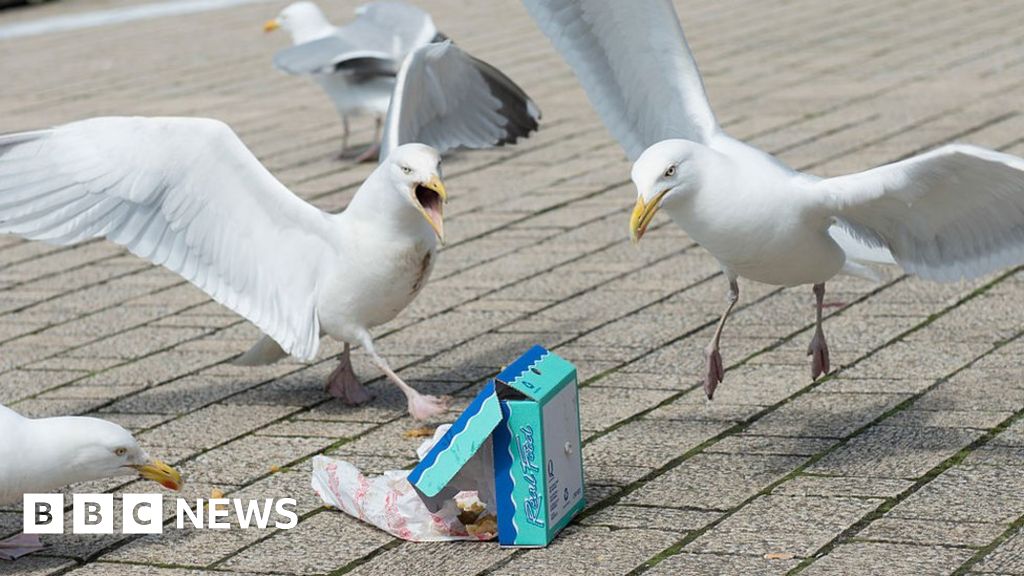
Ah, the seagull. That majestic, squawking sentinel of the seaside. For some, they’re the quintessential symbol of a beach vacation, a feathered friend who’s always ready to… well, scrutinize your chips. For others, perhaps less charitably, they’re feathered fiends, masters of the dive-bomb and the pilfered pasty. But have you ever wondered, in a moment of particularly intense chip-related frustration, if it’s actually, you know, illegal to… well, let’s just say, encourage one of these bold avian opportunists to find a new postcode?
The short and sweet answer, for those of you already picturing a court date involving a very confused judge and a bag of crisps, is a resounding YES. It’s most definitely illegal to harm or kill a seagull. And before you get all worked up about them nicking your ice cream, let’s dive into why these often-maligned birds are actually pretty well-protected. It’s not just a suggestion; it’s the law!
Now, you might be thinking, “But they’re everywhere! Aren’t they just… nature’s free-for-all?” Well, in a way, yes. But in another, much more legally binding way, no. The primary reason these feathered bandits are off-limits isn't because they’re secretly government informants or possess a secret talent for opera (though I wouldn’t put it past them). It’s because, under the Wildlife and Countryside Act 1981 (and similar legislation in other countries, because apparently, everyone loves a well-protected bird), all wild birds in the UK are protected, and this absolutely includes our beloved (or perhaps slightly feared) seagulls. This means that from the tiniest wren to the grandest eagle, and yes, even your average beach-dwelling gull, they’re all covered by the same protective umbrella. It’s like a VIP club for wildlife, and seagulls have somehow managed to get on the guest list.
Must Read
So, what does this actually mean in practice? It means you can’t go around trapping them, injuring them, or, heaven forbid, “relocating” them permanently. It’s not just a slap on the wrist either. If you’re caught being unkind to a seagull, you could be looking at some pretty hefty fines. We’re talking potentially thousands of pounds. That’s a lot of fish and chips you’d be foregoing, wouldn't you say? The law is pretty clear: intentional harm or killing is a big no-no.
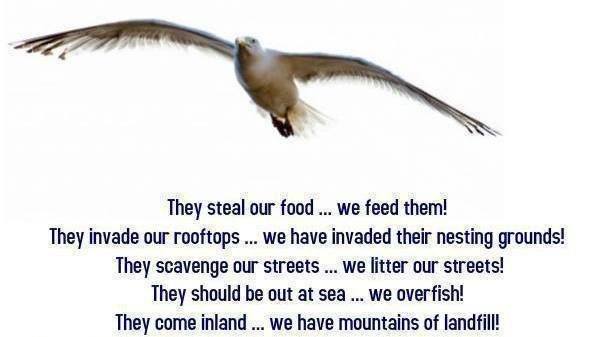
But here’s where it gets a little more interesting, and perhaps a tad more heartwarming. Why this protection? Well, seagulls, despite their sometimes-annoying habits, play an important role in their ecosystem. They’re scavengers, helping to clean up beaches and coastal areas. Imagine a beach without seagulls to diligently peck away at any discarded remnants of human indulgence. It would probably be a lot messier, wouldn’t it? They’re the unsung heroes of shoreline sanitation, and frankly, we should be grateful. Think of them as the ultimate recycling crew, but with more squawking and less high-visibility vests.
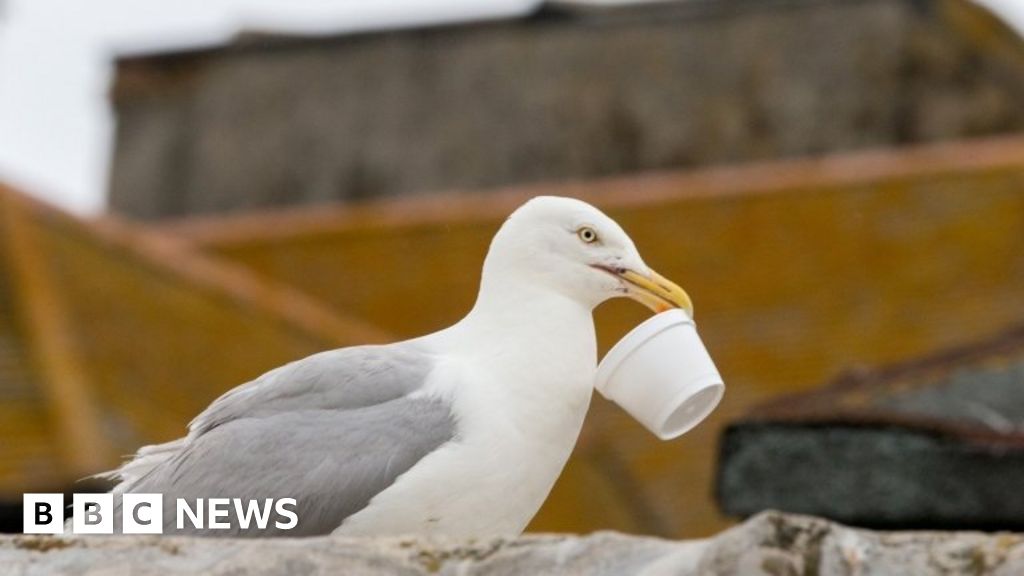
There are also different species of seagulls, and some are more vulnerable than others. For example, the Little Gull and the Black-headed Gull (which, confusingly, often isn't black-headed at all!) are protected, and while they might not be the ones swooping for your sandwich, they’re part of the same amazing avian family. The law recognizes that different species have different needs and populations, and it’s there to ensure that all of them can thrive, or at least continue to exist without undue interference from us humans who, let’s be honest, can be a bit clumsy with our environmental impact.
Now, I know what you’re thinking. “What if one swoops directly into my open mouth while I’m mid-bite of a particularly delicious burger?” Well, that’s an unfortunate accident, and one that thankfully, is extremely unlikely. The law generally deals with intentional acts. So, if a seagull happens to have an incredibly unfortunate aerial encounter with your lunch, it’s unlikely you’ll be facing criminal charges for avian manslaughter. However, deliberately provoking such an encounter, or intentionally causing harm, is where the legal trouble begins.

The protection extends to their nests and eggs too. So, no DIY seagull eviction services from your roof, even if they’re being a bit noisy. It’s all about coexistence, even when that coexistence involves a bit of a standoff over a bag of chips. It’s a reminder that these birds have a right to exist, and that our interactions with them should be respectful. Perhaps instead of getting angry, we can try a little appreciation. They are, after all, survivors. They've adapted to human environments, they're intelligent, and they’re incredibly resourceful. They’re a bit like the urban explorers of the bird world, navigating our cities and coastlines with a fearless, and sometimes formidable, attitude.
So, the next time you see a seagull, whether it’s perched regally on a lamppost or bravely assessing the strategic opportunities presented by your picnic blanket, remember: it’s more than just a bird. It’s a legally protected member of our wildlife community. And while they might not be singing opera, they are singing a song of survival, a song that the law has decided is worth protecting. So, maybe offer a nod of respect, a silent acknowledgment of their protected status, and perhaps… just keep a closer eye on those chips.