How To Tell If I Have Asbestos
So, you're wondering about asbestos, huh? It's one of those things that pops into your head, usually when you're staring at an old ceiling tile or contemplating a renovation. Like, is that really asbestos, or am I just being a drama queen? Let’s spill the tea, or should I say, the dusty particles. Honestly, it’s not something you want to find, but knowing is way better than, well, not knowing.
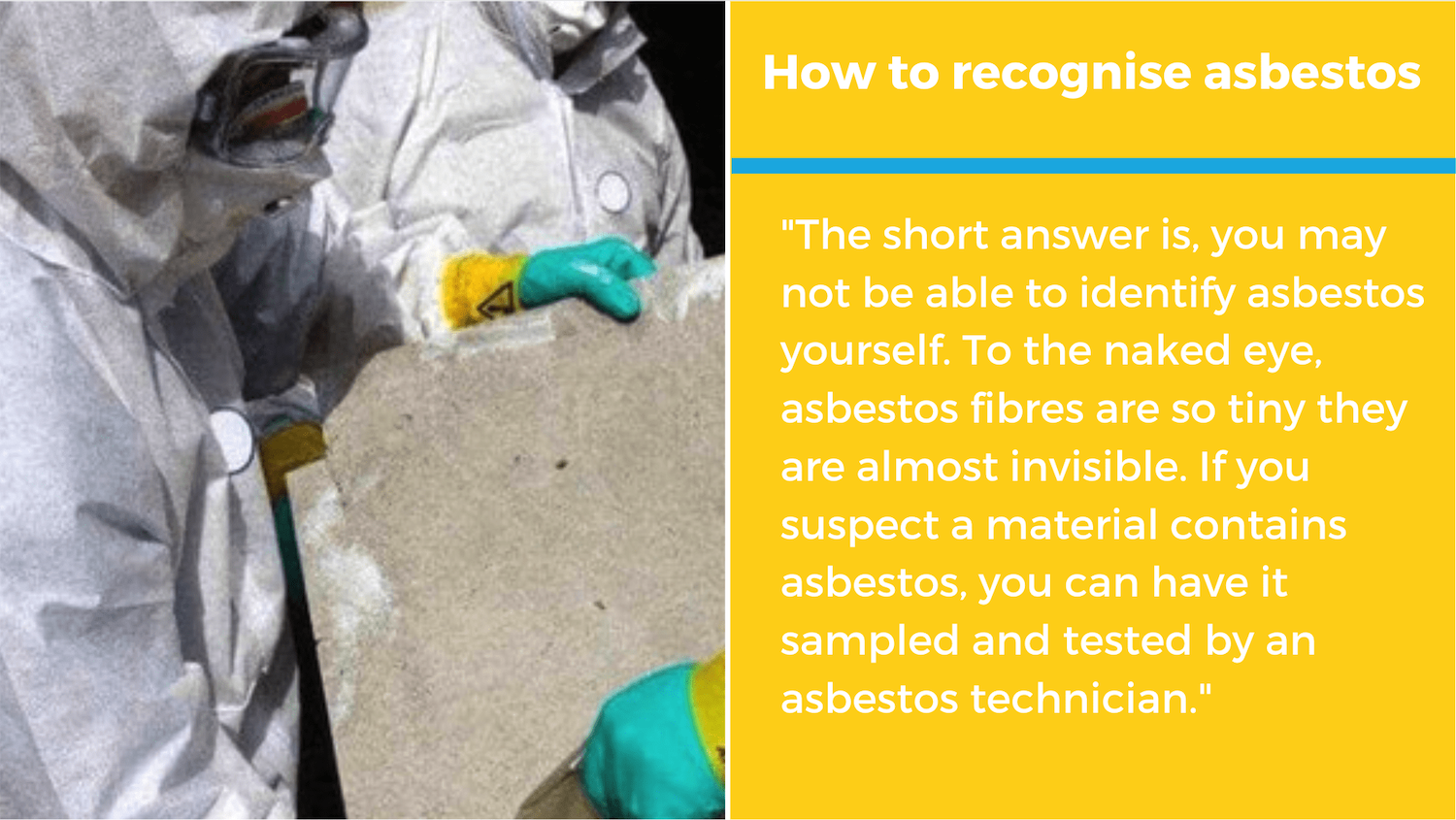
First off, let’s get real. Unless you’re a trained pro, you can’t just look at something and say, “Yep, that’s asbestos!” It’s microscopic, baby. Like a tiny, unwelcome guest you can’t see at the party. So, if you're picturing yourself with a magnifying glass, trying to spot it, take a breath. That’s not how this game is played.
The biggest clue? It’s usually in older homes. Think pre-1980s. If your house was built before the major asbestos bans really kicked in, then yeah, you’ve got a higher chance of having it lurking. It was like the superhero of building materials back then – strong, fire-resistant, cheap. What’s not to love? (Spoiler alert: a lot, as it turns out).
Must Read
So, Where Does This Stuff Hang Out?
Think about all those bits and bobs that make up a house. Asbestos was, and still is, everywhere! Especially in materials that needed to be tough, fireproof, or insulate well. Imagine it as the insulation’s slightly more sinister cousin.
Ceiling tiles are notorious. Those textured ones, you know the ones? The popcorn ceilings? Yeah, those bad boys are prime suspects. Especially the older, white ones. They looked kinda cool, maybe? Or maybe just… dusty. Either way, if they’re crumbling or you’re planning to disturb them, pay attention.
Walls and insulation are another biggie. Think about those old plaster walls, or the insulation stuffed into your attic or walls. Asbestos was often mixed into them to give them extra oomph. Like adding cayenne pepper to your chili – it just made things… stronger. And potentially more dangerous.
Flooring! Vinyl floor tiles and the adhesive used to stick them down? Yep, asbestos could be hiding there too. Those retro linoleum floors your grandma had? High chance of asbestos. They were durable, and let's be honest, sometimes pretty snazzy.
Pipes and boilers. If you’ve got an old heating system, you might find asbestos insulation wrapped around pipes or the boiler itself. It was great for keeping things hot, but not so great for your lungs. Think of it as a really effective, but incredibly toxic, thermal blanket.

Exterior siding. Believe it or not, some older siding materials contained asbestos. It made them tough and resistant to the elements. So, that sturdy looking clapboard might be hiding a secret. A dusty, fibery secret.
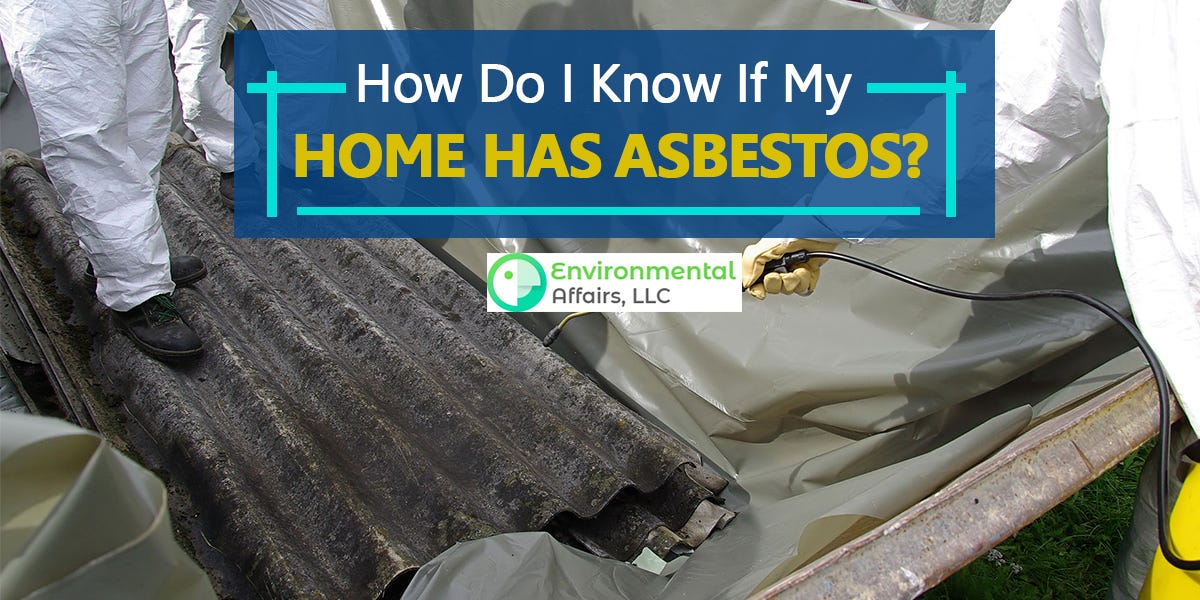
Roofing materials. Shingles and felt? Yep, asbestos was a popular addition. It made them more durable and fire-resistant. So, your roof might be tougher than you think, but also… you know the drill.
When Does It Become a Problem?
Here’s the catch. Asbestos isn’t dangerous if it’s just sitting there, undisturbed. It’s like a sleeping dragon. It only becomes a problem when it’s disturbed. When those tiny fibers get released into the air. That’s when they can get inhaled. And, well, that’s not a party you want to invite them to. Your lungs, that is.
So, if you're just living in the house, and nothing is falling apart, the risk is generally low. Phew! High five! But, if you're planning any kind of renovation, demolition, or even just a really enthusiastic spring clean that involves scraping or sanding, then you need to be thinking about it. Like, really thinking about it.
Imagine you're a detective, but instead of solving a crime, you're trying to avoid creating one. If you're drilling a hole in that ceiling tile? If you're tearing up those old floor tiles? If you're poking around that old boiler? Then you're essentially waking up the dragon. And nobody wants a fiery, fibery breath.

So, How Do I Actually Find Out?
Alright, detective hat on. Since you can't just see it, you need to get it tested. This is where the real work, or rather, the professional work, comes in.
Step 1: Don’t Freak Out (Yet). Seriously. Most of the time, if your house is in good condition, the asbestos is likely contained. Take a deep breath. Let’s assess the situation calmly, like a seasoned pro. Or at least, like someone who’s had their morning coffee.
Step 2: Identify Potential Suspects. Remember that list we just went through? Ceiling tiles, insulation, flooring, etc. If your house is older, these are your prime suspects. You’re not accusing them, just… observing.
Step 3: Contact a Professional. This is the big one. You need to call in the asbestos testing pros. They have the tools, the knowledge, and the fancy gloves to do this safely. Think of them as the asbestos exterminators. Or the asbestos whisperers. Whatever makes you feel better.
Step 4: The Sampling. A certified inspector will come to your home. They’ll carefully take small samples of the materials they suspect contain asbestos. They do this in a way that minimizes fiber release. It’s a delicate operation, like performing surgery on a dust bunny.
Step 5: The Lab Work. These samples are then sent to a specialized laboratory. The lab uses microscopic analysis to determine if asbestos is present and, if so, what type it is. This is where the microscopic guest is finally identified. And hopefully, evicted.
Step 6: The Report. You’ll get a report detailing the findings. It will tell you which materials contain asbestos, if any, and the percentage. This is your eviction notice, or your "all clear" signal. Hopefully, it's the latter!
DIY Asbestos Testing? Uh, Probably Not.
Look, I know you're a resourceful person. You probably YouTube how to fix everything. But asbestos testing? Seriously, don't go there. Those DIY test kits you see online? They’re generally not recommended for accurate asbestos identification. They can give you false negatives (meaning it says no asbestos when there is some) or false positives (meaning it says there’s asbestos when there isn’t). You don't want to be chasing ghosts or, worse, ignoring a real threat.
Plus, the whole point of testing is to do it safely. If you’re taking the samples yourself, you risk releasing those fibers into the air. And then you’re breathing them in. Suddenly, your DIY project has become a DIY health hazard. Nobody wants that. It’s like trying to perform your own root canal. Just… don’t.
What If I Do Have Asbestos?
Okay, so the report came back, and… bummer. Asbestos detected. Don't panic. Remember that sleeping dragon analogy? It’s still sleeping, for now. The key is to keep it that way.
If the asbestos is in good condition and undisturbed, your best bet is often to leave it alone. Seriously. Disturbing it is where the risk comes in. It’s like having a slightly grumpy bear in your attic. If it’s quiet and not bothering anyone, maybe just leave it be. Just avoid that attic, okay?

If the asbestos is damaged or friable (meaning it crumbles easily), then you definitely need to take action. This is when the dragon is starting to stir. You’ll need to get it professionally removed. And by professionally, I mean by licensed asbestos abatement professionals. These guys are the ninjas of asbestos removal. They know how to do it safely and effectively.
Never, ever try to remove asbestos yourself. I cannot stress this enough. It’s like trying to defuse a bomb with a butter knife. It’s incredibly dangerous, and you could be exposing yourself and your family to serious health risks. Think long-term health issues like mesothelioma and asbestosis. Not exactly the kind of souvenir you want from your home improvement project.
Is It Really That Bad?
Let’s be blunt. Yes, it is. Asbestos is a known carcinogen. When those microscopic fibers are inhaled, they can get lodged in your lungs. Over time, they can cause serious, and often fatal, lung diseases. We’re talking about things like asbestosis (scarring of the lungs), lung cancer, and mesothelioma (a rare cancer of the lining of the lungs, abdomen, or heart). These diseases can take decades to develop, which is why it’s so important to deal with it sooner rather than later. It’s the ultimate long game, and not in a good way.
So, while it might seem like a distant threat, especially if you’re young, it’s something to be aware of for the health of everyone who lives in or visits your home. It’s about protecting your loved ones. And yourself, obviously!
The Bottom Line
So, to sum it up, you can’t see asbestos. The biggest indicator is the age of your home. If you're planning renovations or see damaged material, then it's time to get serious. The only way to know for sure is to get a professional inspection and testing. And if you find it? Don't DIY. Call the pros. It’s better to be safe than incredibly, tragically sorry.
Think of it this way: you wouldn’t skip your annual check-up, right? Consider asbestos testing a crucial health check for your home. Especially if your home is rocking some vintage vibes. It’s an investment in peace of mind, and more importantly, in your health. Now, go forth and be informed, but not alarmist. Mostly. Just be smart!