
How To Stop A Hen From Brooding

So, you've got a hen. A lovely, clucky, feathered friend. And she's decided it's time to become a mom. Bless her little heart. But what if you're not ready for a gaggle of chirping chicks? Or maybe you just need your eggs back, like, yesterday? Don't panic! We've all been there. That intense stare, the refusing-to-budge attitude, the general air of maternal martyrdom. It's like she's channeling her inner lioness, guarding her (imaginary) cubs. It's cute, in a way. But sometimes, you just gotta say, "Nope, not today, mama!"
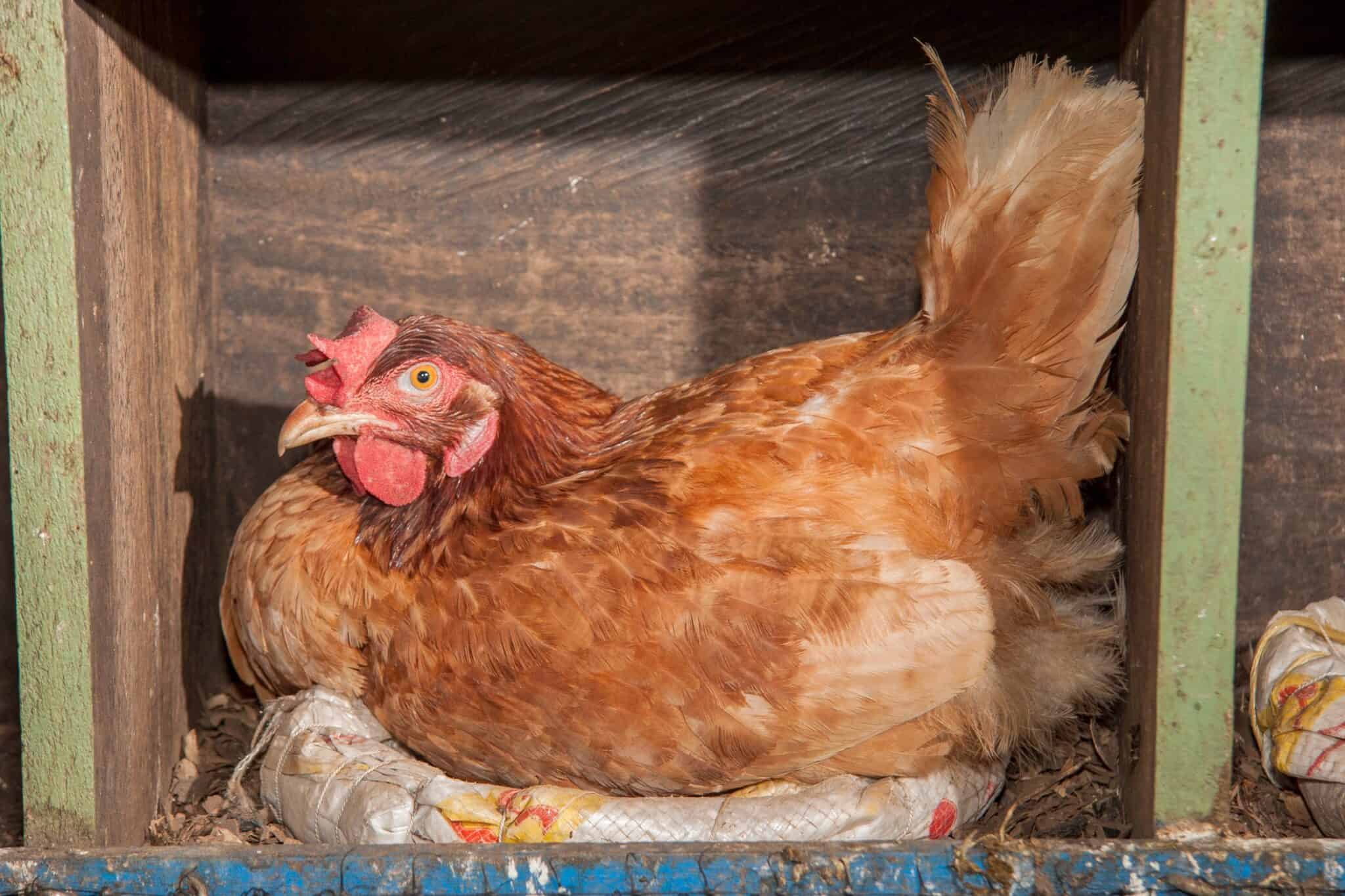
This whole "brooding" thing. It's a natural instinct, right? Like squirrels burying nuts or teenagers glued to their phones. Hens get this primal urge to sit on eggs and hatch them. It's super important for them, you see. Their hormones go into overdrive. They start looking a bit ruffled, a bit disheveled, like they've been living in a hen-house-themed messy bun. They puff up, they make these low, guttural clucking sounds that sound vaguely threatening. You might even think they've swallowed a tiny, disgruntled pigeon.
And the sitting! Oh, the sitting. She'll find a nice, cozy spot. Usually a nest box. And she'll just own it. You can try to gently nudge her, you can offer her a gourmet meal of mealworms (her favorite, usually), you can even sing her a lullaby. Nothing. She's in the zone. It's like she's meditating, but with more feathers and a steely resolve. You'll find yourself having full-blown conversations with her, trying to reason with a creature whose primary goal is to keep her derriere warm. It's a special kind of crazy, isn't it?
Must Read
Now, why do we even want to stop a hen from brooding? Good question! For starters, a broody hen stops laying eggs. Like, poof, gone. So if you're in the egg-collecting business, and your livelihood depends on those little golden orbs, a broody hen is basically a goose laying golden eggs… but in reverse. She's un-laying them. Also, a broody hen can get really skinny. All that sitting means less eating. And a skinny hen is a sad hen. And a sad hen might not be a healthy hen. We want happy, plump hens, right?
And let's not forget the potential for unwanted chicks. Unless you've strategically introduced a rooster (and let's be honest, most backyard chicken keepers are rocking the hen-only club), those eggs aren't going to hatch anything but disappointment and maybe a rogue mold spore. So, unless you're planning a surprise chick party, it's probably best to intervene. Think of it as a proactive approach to your flock's well-being. And your sanity.
Okay, so you've decided. You're going to break this hen's brooding habit. High five! But how? This is where things get a little… tactical. It's not about being mean, mind you. It's about being firm. Like a gentle, but persistent, nudge from fate. Or from you, holding a bag of delicious scratch grains.
The first thing you need to do is identify your broody hen. This is usually pretty obvious. She's the one looking like she's just discovered the meaning of life and it involves sitting in a dark corner. She'll ignore you. She'll puff up. She might even give you the stink eye. That's your girl. She’s usually sitting on a clutch of eggs, but sometimes they get broody without eggs. Those are the really committed ones, aren't they? Just determined to sit on something. Even if it's just air.
Once you’ve identified your broody queen, it’s time for the separation strategy. This is the big one, folks. The nuclear option. Well, not really nuclear, more like… the slightly inconvenient relocation option. You need to get her out of her beloved nest box and into a place where sitting for extended periods is decidedly uncomfortable. Think of it as a spa treatment, but the spa is a small, wire cage. A "broody breaker" cage, if you will.
Where do you get one of these magical contraptions? You can buy them online, or at your local feed store. They're basically just a wire cage, big enough for your hen to stand up, turn around, and maybe do a little chicken yoga. No comfy bedding. No cozy nest. Just… wire. And space. Lots and lots of space for her to contemplate her life choices.
You plop her in there. And then you wait. This is the hardest part for us humans, isn't it? We want instant results! We want our hen back to her old, egg-laying self in five minutes. But hens are creatures of habit. And hormones. So, you gotta be patient. Usually, a few days in this wire hotel is enough to make her reconsider her maternal aspirations. She'll miss the comfort of her nest, she'll realize that sitting on wire isn't all it's cracked up to be, and she'll start to crave the simple pleasures of life: like eating, drinking, and, yes, laying eggs.
When you put her in the cage, you might want to remove the eggs from her nest box too. If there are no eggs, there’s no point in sitting, right? It’s like taking away a toddler’s favorite toy. Sometimes, the absence of the eggs is enough to break the spell. But often, they’re so committed, they’ll still sit on nothing. That’s where the cage comes in. It’s a multi-pronged attack on her maternal urges.
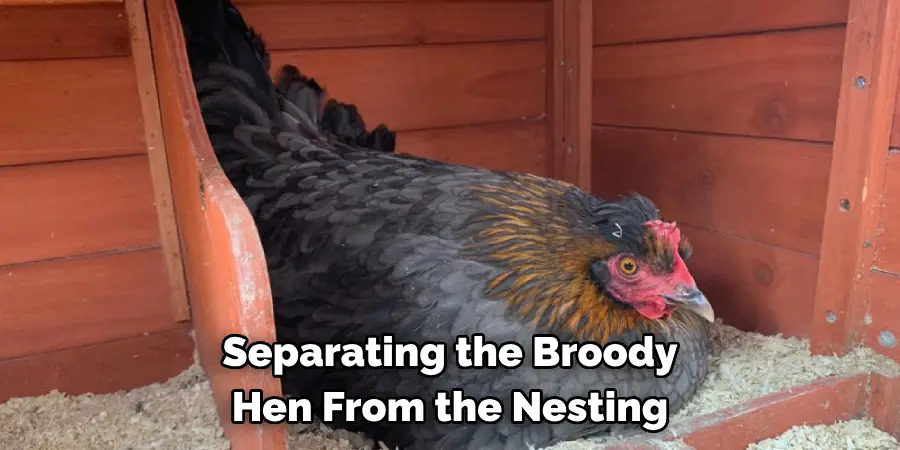
Now, a word of caution. When you’re moving your broody hen, be gentle but firm. They can be a bit feisty when they’re broody. They might peck or flap. Just keep your hands protected. Think of it as a brief, but spirited, wrestling match. You’ve got this. You’re the human. You have opposable thumbs. That’s a major advantage.
While she’s in her temporary digs, make sure she has plenty of food and water. You don't want her to get dehydrated or starve. Fill up those dishes! And maybe throw in a few extra special treats. Like sunflower seeds. Hens love sunflower seeds. It’s like a little bribe. "Look, Brenda, no chicks, but here are some delicious seeds!"
You’ll want to check on her regularly. Not to hover, but to make sure she’s eating and drinking. And to assess her mental state. Is she still looking determined? Or is she starting to look a little… defeated? You’ll know. They have a certain look. A "what am I even doing here?" look.
After a few days, you can try putting her back in the coop. Observe her behavior. Is she heading straight for the nest box? Or is she mingling with the other hens, looking for worms, acting like a normal, non-broody chicken? If she’s still broody, back in the cage she goes! It’s a process, remember? Like training a puppy. Or convincing a teenager to clean their room. It takes persistence.

Some people swear by taking away her nest box material. Like, rip out all the straw. Make it super uncomfortable. This can work for some hens, but for the truly determined ones, they’ll just find a new, less-than-ideal spot to brood. So, while it’s a valid tactic, the cage is usually more effective for the hardcore brooders.
Another trick is to "dunk" her. Now, this one is a bit controversial, and I'm not always a fan. The idea is to briefly immerse her in cool water. The shock, supposedly, breaks the brooding spell. I’m not sure I love this. It seems a bit… harsh. And a wet hen is a miserable hen. Plus, you risk getting yourself all wet. And nobody likes a wet chicken… or a wet human, for that matter.
What about spraying her with water? Some people do this. A quick squirt from a hose or a spray bottle. It’s supposed to be a minor annoyance that breaks her concentration. Again, it can work for some, but it can also just make your hen grumpy and wet. And a grumpy, wet hen is not a happy hen.
There are also "broody coop" designs. These are coops specifically designed to make it difficult for hens to brood. They often have a sloped floor so eggs roll away, or they might have wire bottoms. If you're planning for a lot of broody hens, this might be something to consider for future coop builds. But for now, we’re talking about a quick fix.

The key thing to remember is that broodiness is a temporary state. It won't last forever. Your hen will eventually come out of it. It’s just a matter of how quickly you want that to happen. Think of it as a phase. Like when your kid decides they only want to eat purple foods for a week. You just gotta ride it out, with a little bit of strategic intervention.
Some breeds are more prone to brooding than others. Silkies, Cochins, and Orpingtons are notorious for their maternal instincts. If you have these breeds, it's almost a certainty that you'll encounter broodiness at some point. It’s in their fluffy little genes! So, if you have one of these breeds, you might want to be extra vigilant and prepared for the possibility.
What if you do want chicks? Well, then you’ve got a different problem! In that case, you want to encourage brooding! But that’s a whole other coffee chat, isn’t it? For now, we’re focusing on the anti-brooding brigade.
So, to recap: identify, separate, wait, and repeat if necessary. Be patient. Be firm. And remember that your hen is not trying to be difficult; she's just following her instincts. You’re not being cruel; you’re being practical. And in the world of chickens, practicality often trumps emotional attachments. It’s a tough lesson, but a necessary one for any chicken keeper.
And when your hen is finally back to her old self, laying eggs and strutting around like she owns the place (which, let's be honest, she probably does), you can give yourself a pat on the back. You’ve conquered broodiness! You’ve saved yourself from a potential chick explosion. You’ve ensured the continued production of those delicious, breakfast-essential eggs. You are a chicken-wrangling superhero. Now, go treat yourself to an extra cookie. You’ve earned it!

