How To Remove Built In Refrigerator
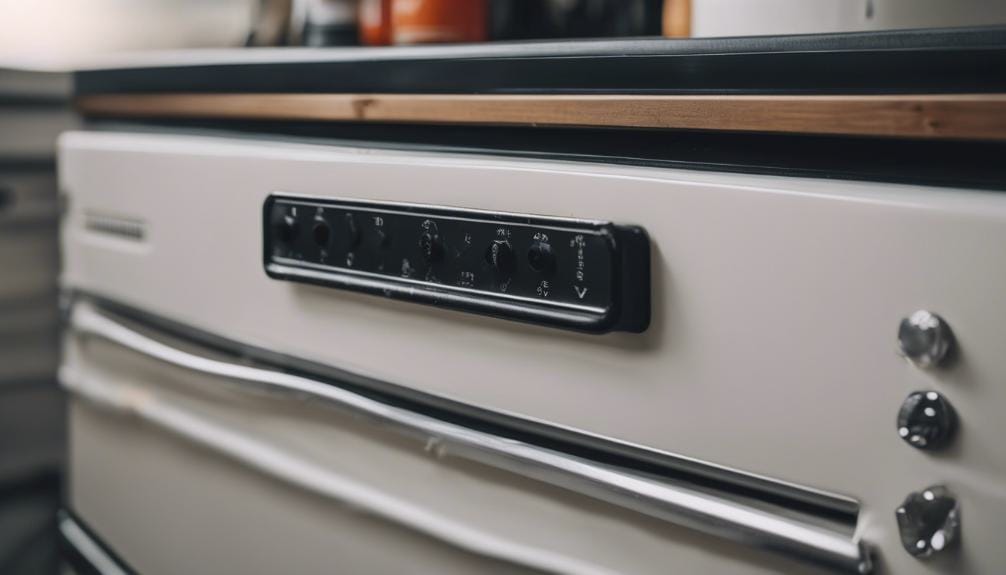
So, you've got one of those refrigerators. You know the one. The one that's built-in. Like it's a permanent fixture of your kitchen, judging your snack choices for all eternity. Maybe it's old and creaky. Maybe it's a weird color. Or maybe, just maybe, you're embarking on a kitchen renovation adventure! Whatever the reason, you're here, wondering: how on earth do I get this behemoth out of here?
Don't panic! This isn't a spy mission. It's just a fridge. A rather large, slightly stubborn, fridge. Think of it as a friendly challenge. A culinary puzzle. A chance to learn something new and maybe even discover a hidden stash of forgotten ice cream. (Okay, that last one is unlikely, but a person can dream, right?)
Built-in fridges are like that relative who overstays their welcome. They're seamlessly integrated, making you think they'll never leave. But with a little know-how and a dash of playful determination, you can set your kitchen free! It’s a bit like playing Tetris, but with more potential for spilled water and questionable DIY decisions. We’ve all been there, haven't we?
Must Read
Why is this even fun to talk about? Because it’s about transformation! It’s about taking a space and making it your own. It’s about the thrill of the unknown. Plus, imagine the stories you'll tell. "Oh, you think your fridge was hard to move? Let me tell you about the time I wrestled with a built-in..." It’s practically legendary material.
First Things First: The "Is It Really Built-In?" Interrogation
Before you go Rambo on your kitchen cabinets, let's do a little detective work. Is your fridge truly built-in, meaning it's integrated into cabinetry and probably has custom panels? Or is it just a standard fridge shoved into a very tight alcove? Sometimes, the line can be blurry, like a poorly drawn cartoon character. Knowing this will save you a lot of unnecessary drama.
Look for cabinet doors that match your kitchen. Are there decorative trim pieces that hide the edges? Does it look like the fridge is part of the furniture? If you answered "yes" to most of these, congratulations, you likely have a genuine built-in. Embrace the challenge!
If it's just a regular fridge wedged in, your job is significantly easier. You might just need to unscrew a few brackets. But for our purposes, we're diving deep into the built-in world. The land of hidden screws and triumphant unsnapping!

The Great Unplugging: Safety First, Fun Second!
This is non-negotiable. Seriously. You don't want to be the reason your house does a spectacular light show. Go to your electrical panel. Find the breaker that controls your refrigerator. Flip it. Off. Make sure it's off. Double-check. Triple-check.
Then, and only then, unplug the fridge itself. It's usually lurking behind the appliance. You might need a flashlight. It's dark back there. Who knows what secrets it holds? Probably dust bunnies the size of small rodents. Embrace the unknown! Just don't touch any wires you shouldn't.
This is the moment of truth. The initial step that separates the dreamers from the doers. It's a small action, but it's a big step in your kitchen liberation journey. High fives all around for being responsible!
Operation: Panel Removal - The Art of Subtle Persuasion
Now for the fun part. Built-in fridges often have cabinet panels attached to the doors. This is to make them blend in. Sneaky, right? These panels are usually attached with screws, often from the inside of the fridge door. So, you'll need to open those doors wide.
Get your trusty screwdriver. Look for screws. Sometimes they're hidden behind plastic caps. Pop those off with a flathead screwdriver or even a butter knife (gently, now!). Each panel is a mini-quest. Find the screws, turn them counter-clockwise, and voila! The panel should loosen.
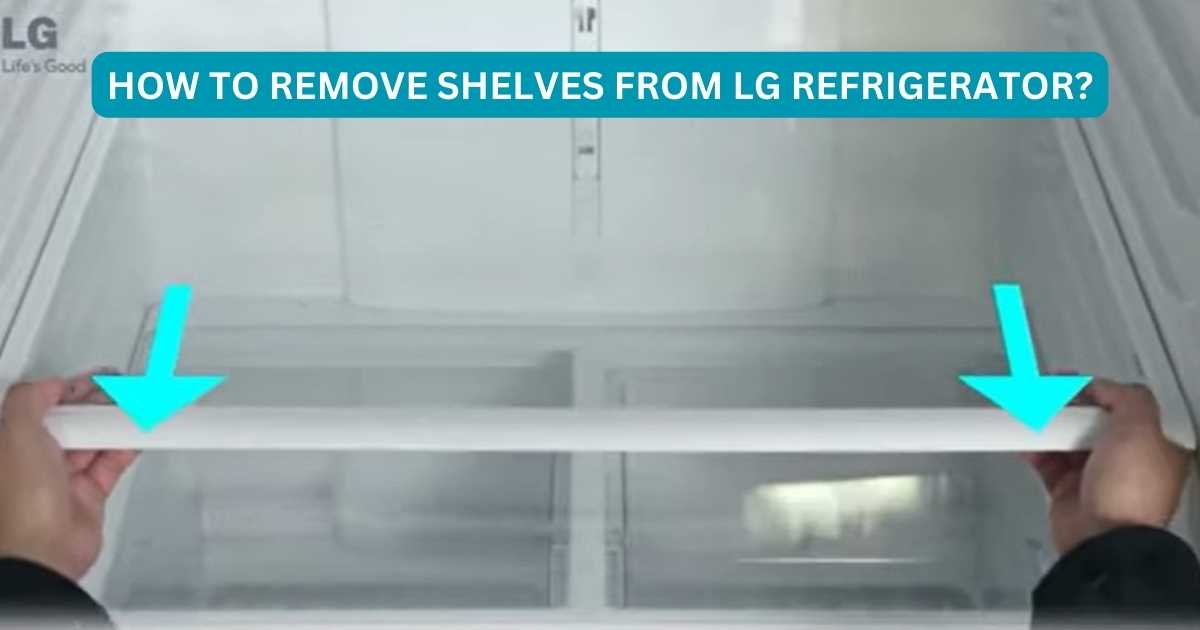
Don't force it. If a panel is being stubborn, there might be more screws or a different attachment method. Sometimes, there are clips. A gentle wiggle and a bit of prying might do the trick. Think of yourself as a gentle archaeologist unearthing ancient kitchen secrets.
Once the panels are off, set them aside. Admire your work. You've already made progress! This is where the magic starts to happen. It's like taking off the disguise. The fridge is starting to reveal its true, less-blended-in self.
The "Surprise!" Hinges: Another Layer of Intrigue
Your fridge doors are still attached, right? Of course they are. Built-in or not, fridges have doors. These are usually attached with hinges. And these hinges can be a bit tricky on built-ins.
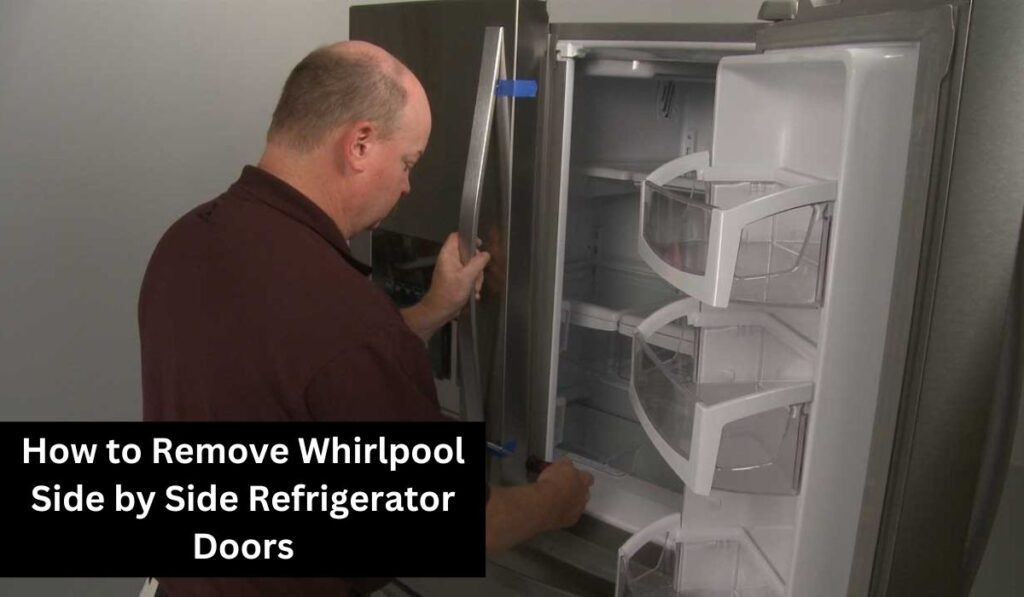
You might need to remove the doors entirely to get better access to the fridge's mounting hardware. This is often the smartest move. You'll see screws holding the hinges to the fridge frame or to the surrounding cabinetry. Again, patience is key. Some hinges have little locking tabs. You might need to press or slide something to release them.

If you're removing the doors, get a helper! These things can be surprisingly heavy. And awkward. Imagine trying to carry a giant, slippery block of cheese. That's kind of what it feels like. But with more metal and less dairy.
Once the doors are off, you can often lay them down safely. This makes the fridge lighter and much easier to maneuver. Plus, you can now see the real screws holding the whole darn thing in place!
The Grand Finale: Unveiling the Fridge from its Kitchen Cocoon
Now that the panels are off, and possibly the doors, you're getting close. The fridge is likely secured to the surrounding cabinets or walls with mounting brackets. These are the final bosses.
Look around the sides and top of the fridge. You'll see brackets screwed into the fridge frame and then screwed into the cabinetry. These are the guys holding your built-in hostage. Get your screwdriver (or a nut driver, depending on the screw type) and get to work.
Be thorough. There might be screws you missed. Sometimes they're tucked away in the most obscure spots. Channel your inner Sherlock Holmes. Every screw removed is a victory!

Once all the mounting screws are out, the fridge should be free. It might still be a bit snug. Give it a gentle wiggle. If it feels stuck, re-check for any hidden screws or clips. Don't go yanking it with all your might. Think of it as coaxing a shy friend out of their shell.
The Great Escape: Moving the Beast
You've done it! The built-in is free! Now comes the slightly less glamorous part: moving it. This is where those muscles you didn't know you had might come into play. Or, you know, a furniture dolly. A furniture dolly is highly recommended.
If you have a helper, this is crucial. Communicate. "One, two, three, lift!" works wonders. Slowly and steadily, pull the fridge out from its nook. Be mindful of your floors. You don't want to scuff them up in your moment of triumph.
Once it's out, you've officially conquered the built-in. Take a moment. Breathe. Admire the empty space. You are now a kitchen-liberating hero! What will you do with that newfound space? The possibilities are endless! Maybe a pantry. Maybe a wine fridge. Maybe just... more counter space. The world is your oyster, and your kitchen is now open for business!
So, there you have it. The not-so-secret art of removing a built-in refrigerator. It's a little bit of DIY, a little bit of detective work, and a whole lot of satisfying progress. Go forth and renovate! Your kitchen will thank you. And who knows, maybe you'll even find some forgotten ice cream!