How To Put In A Pond Liner

Ah, the humble pond liner. It might not sound like the most glamorous of DIY projects, but trust us, there’s a certain satisfaction in transforming a patch of earth into a watery haven. Whether you’re dreaming of a tranquil koi pond, a buzzing wildlife sanctuary, or simply a place to dip your toes on a hot summer day, a pond liner is your secret weapon. It’s the unsung hero that keeps your water where it belongs – in your pond, not seeping into the ground like a forgotten leaky faucet.
So, what’s the big deal about these flexible sheets of magic? Well, the benefits are plentiful! Primarily, a pond liner provides a waterproof barrier. Without one, your carefully dug hole would become a dusty depression. This means you can create a stable environment for aquatic life, whether it’s delicate plants, playful fish, or fascinating amphibians. Beyond aesthetics and wildlife, a well-installed liner prevents erosion and can even help manage groundwater. Imagine the peace of mind knowing your beautiful water feature is built to last, without the constant worry of leaks and repairs.
You see pond liners in action everywhere, even if you don’t always notice them. They’re the backbone of those gorgeous backyard ponds you see in magazines, the foundation for elaborate water gardens, and even play a crucial role in some landscaping projects. Think about those decorative bubbling fountains or small wildlife ponds designed to attract dragonflies and frogs – all thanks to a liner. They’re incredibly versatile, capable of being shaped into almost any design you can conjure up.
Must Read
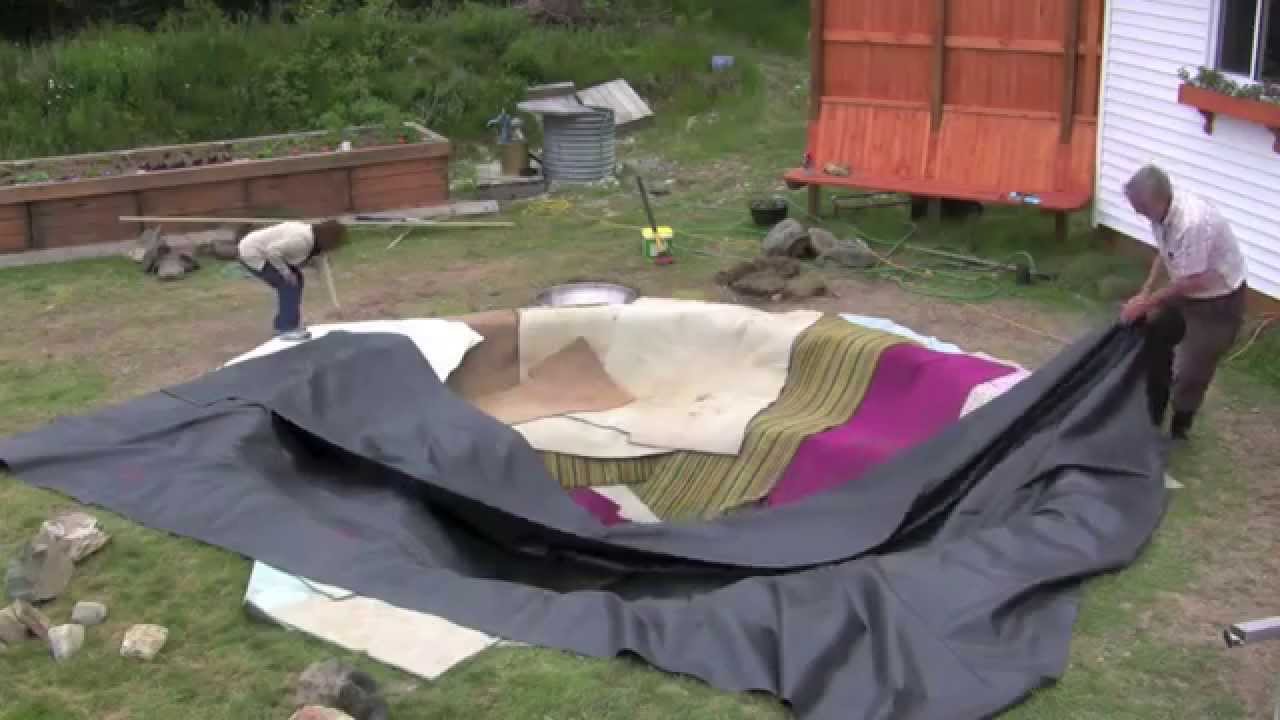
Now, let’s get down to the nitty-gritty: actually putting in a pond liner. It might seem daunting, but with a little preparation and a few key tips, you’ll be enjoying your new water feature in no time. First and foremost, clear your excavation thoroughly. Any sharp rocks, roots, or debris can puncture your liner, so be meticulous! A layer of underlayment, a thick fabric that acts like a protective mattress, is your best friend here. It’s an absolute game-changer for liner longevity.

When you’re ready to lay the liner, spread it out on a warm, sunny day. Why? Because warmth makes the liner more pliable and easier to work with. Don’t stretch it too tightly at this stage; let it drape and settle naturally into the contours of your pond. Gently push it into all the nooks and crannies, smoothing out major wrinkles as you go. You’ll have plenty of excess liner around the edges, which is exactly what you want!
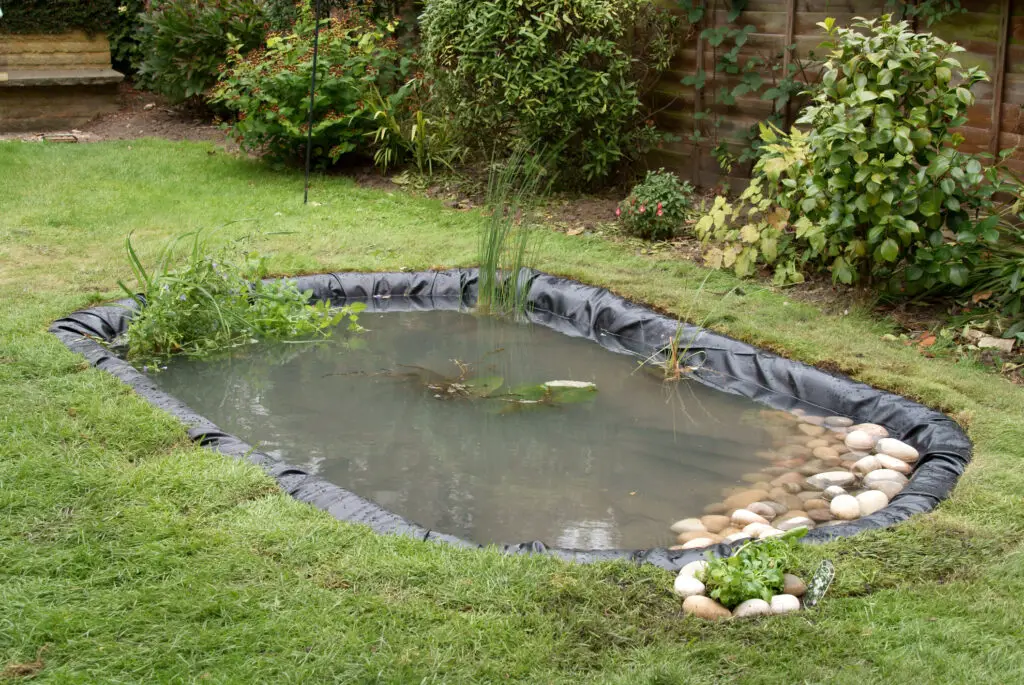
For maximum enjoyment and a professional finish, consider how you’ll edge your pond. Burying the edges with rocks, gravel, or pavers not only looks great but also helps secure the liner and prevents UV damage. And here's a pro-tip for the water filling stage: fill the pond slowly. This allows the liner to settle further and helps you manage any remaining wrinkles. As the water level rises, you can gently adjust the liner, coaxing out stubborn creases. Remember, a few minor wrinkles are perfectly normal and often add to the natural look of a pond. The real joy comes from seeing your vision come to life, hearing the gentle splash of water, and observing the new inhabitants that will soon call your pond home. So grab your gloves, a trusty shovel, and get ready to dive into the satisfying world of pond liner installation!