How To Get Rid Of Moss In Lawns
Ever glance at your lawn and notice those velvety green patches that seem to be staging a quiet takeover? Yep, we're talking about moss. For some, it's a charming, almost fairytale-like addition, lending an air of ancient woodland to their garden. For others, it's a bit of a green intruder, a sign that their prized turf might be a tad unhappy. Whatever your take, understanding why moss pops up and how to gently encourage it to pack its bags (or, conversely, to thrive!) is a surprisingly satisfying little bit of garden knowledge.
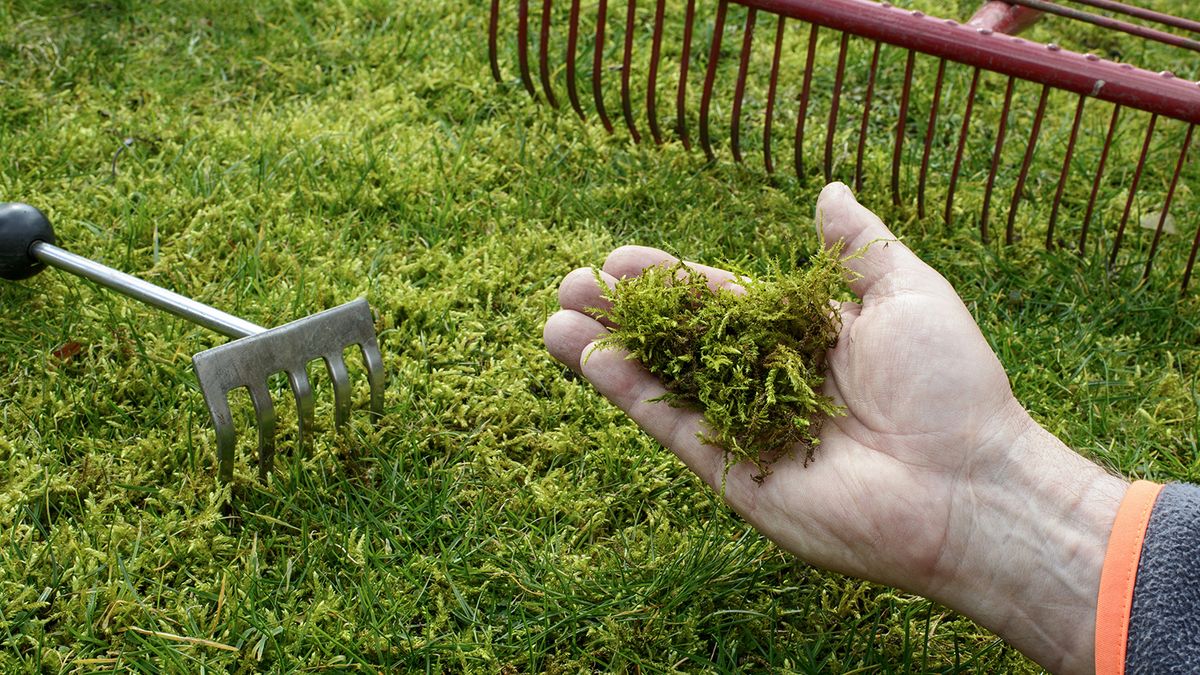
Think of moss not as a weed, but as a tiny, resilient plant. It doesn't have roots like grass; instead, it attaches itself with hair-like structures called rhizoids. Its main purpose, in the grand scheme of things, is to stabilize soil and prevent erosion, especially in damp, shaded areas where grass struggles. It’s a pioneer species, often one of the first to colonize bare soil. So, while it might be bugging you in your lawn, it’s actually doing some good work in its own humble way!
The presence of moss can actually be an indicator of your soil conditions. Is it too acidic? Is it perpetually damp? Is your lawn getting enough sunlight? Observing moss can be a fun, albeit unintentional, science lesson right in your backyard. For instance, a child might notice that moss only grows on one side of a tree trunk or in the shadiest corner of the garden, leading to questions about sunlight and moisture. In daily life, understanding these environmental cues can help us become better stewards of our green spaces, making more informed decisions about what plants will truly flourish.
Must Read
Now, if you're ready to reclaim your lawn from its mossy inhabitants, there are several gentle approaches you can take. The most effective strategy is to address the underlying issues that moss loves. This often means improving drainage. Aerating your lawn – poking small holes in the soil – can make a world of difference. This allows air, water, and nutrients to reach the grass roots, making it a less welcoming environment for moss. You can do this with a garden fork or a specialized aerator tool. Secondly, consider the sunlight. If large trees or structures are casting deep shade, trimming back branches or even considering planting sun-loving ground cover might be an option.
:max_bytes(150000):strip_icc()/how-to-get-rid-of-moss-in-lawns-2132201_FINAL-5c47627cc9e77c00014a6a3b.png)
Another simple yet effective method is to adjust your soil's pH. Moss often thrives in acidic conditions. A simple soil test kit (readily available at garden centers) can tell you your pH level. If it's too low, adding lime can help bring it up, making your lawn more hospitable to grass and less so to moss. And, of course, there's the option of using a commercial moss killer, but many gardeners prefer more natural methods first. If you do opt for a treatment, always follow the instructions carefully.
For those who actually like the mossy look, or want to cultivate it in specific areas like shady rock gardens, the opposite applies! Ensure consistent moisture, minimal foot traffic, and perhaps even introduce moss spores from existing patches to encourage its spread. It’s all about understanding what makes this little green carpet tick, and then working with nature, rather than against it. So, next time you see that emerald fuzz, take a curious look – it's a tiny world with a big story to tell about your garden.