How To Get Rid Of Chafer Grubs

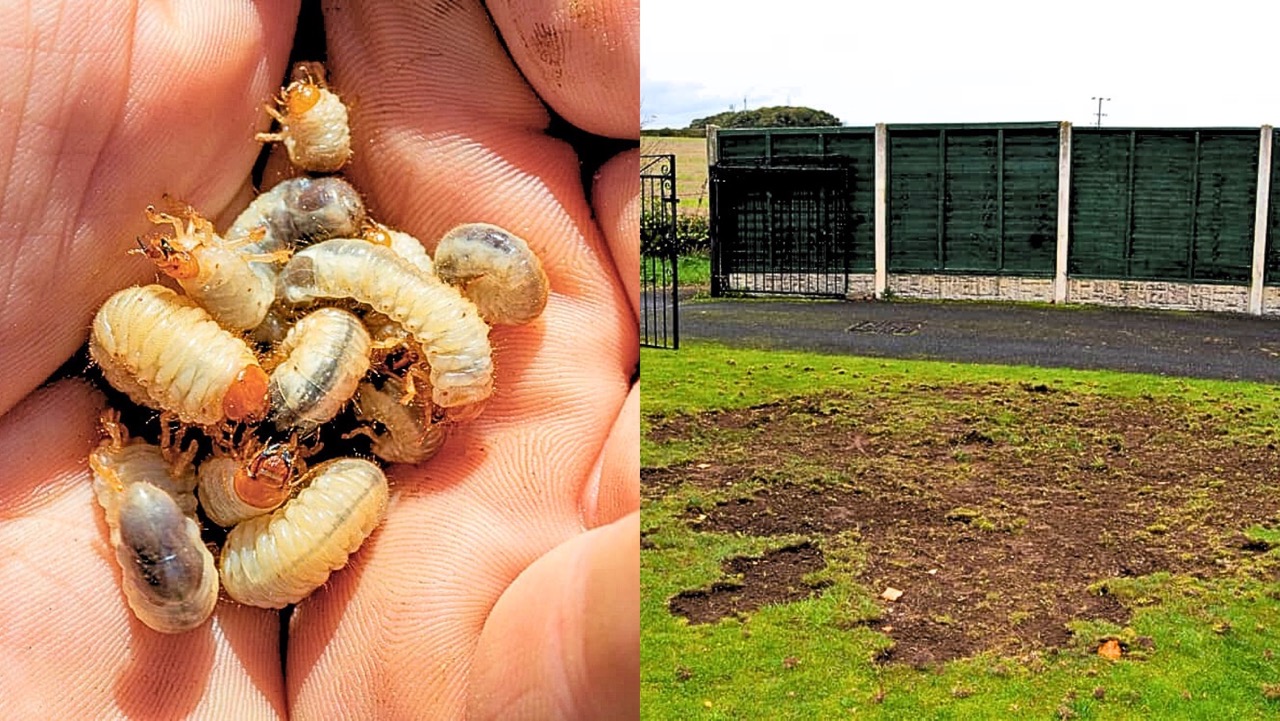
Alright, settle in, grab your cuppa, and let’s talk about a tiny menace that’s probably wreaking havoc in your backyard right now. We’re talking about chafer grubs. These little white, C-shaped critters, with their surprisingly serious jaws, are the teenage rebels of the insect world. They’re not just chilling; they’re actively tunneling through your precious lawn, munching on roots like it’s a buffet, and turning your emerald paradise into a sad, crispy wasteland. It's like they're throwing a rave underground, and your lawn is the only thing paying for it.
Now, before you reach for the nearest garden hose and consider staging a tiny, turf-based revolution, let’s take a deep breath. There are ways to evict these unwelcome guests. Think of me as your friendly neighborhood garden guru, armed with more caffeine than common sense, ready to guide you through this grub-infested minefield. We're going to tackle this with a mix of science, a dash of silliness, and hopefully, a whole lot of successful grub removal. Prepare yourself, because we’re about to become grub-slaying superheroes!
The Grub Conspiracy: Why Are They Even Here?
So, how do these little munchkins even get into your garden? It’s a bit like a horror movie, isn’t it? You think your lawn is safe, then bam! – an invasion. Basically, adult chafer beetles, those shiny, rather dorky-looking beetles you might have seen buzzing around in the summer evenings, lay their eggs in the soil. These eggs hatch, and voilà, you have a grub party of epic proportions. They’re basically the larval stage of these beetles, and their sole mission in life, for a good chunk of it, is to eat. And eat. And eat.
Must Read
They're especially fond of lawns because, well, your beautifully manicured grass provides them with a five-star root dining experience. They thrive in healthy, well-watered soil. So, ironically, your diligent gardening efforts might be inadvertently creating a grub utopia. It’s like baking a cake and finding out it’s become an ant farm. Ugh.
Spotting the Enemy: Are You Sure It’s Grubs?
Before you start deploying heavy artillery (or even just a trowel), it's crucial to confirm you're actually dealing with chafer grubs. The most obvious sign is a lawn that looks like it’s been sunbathing in the Sahara for a month, even when you’ve been watering it religiously. Think brown patches, a general lack of lushness, and a rather suspicious sponginess underfoot.
Here’s a fun, albeit slightly gross, way to check: get down on your hands and knees and try to lift a section of your turf. If it rolls up like a carpet, you’ve probably got grubs. They’ve eaten the roots that hold everything together, leaving you with a rather unstable, albeit flexible, lawn. Another clue? Birds. If you see a lot of birds, especially magpies and crows, pecking away at your lawn, they’re not just admiring your landscaping. They’re having a grub buffet! And let me tell you, those birds are way more efficient than any of us with a trowel.

The Grub War: Your Arsenal of Awesome Options
Now for the main event: how do we send these little freeloaders packing? We’ve got a few tricks up our sleeve, ranging from the gentle nudge to the full-on eviction notice.
1. The Natural Predators Approach: Welcome the Grub-Eating Squad!
Nature, my friends, is full of surprises. And sometimes, those surprises are your allies. Think of it as bringing in a special ops team to handle the messy work. We're talking about introducing or encouraging natural predators. Who are these heroes? Nematodes!
These aren't your average earthworms; they're microscopic, naturally occurring roundworms that are way more sinister than they sound. When applied to your soil, they seek out chafer grubs and basically… well, let’s just say they don’t play nice. They infect the grubs, multiply inside them, and eventually kill them. It’s a bit like a tiny, microscopic horror movie for the grubs. You can buy these beneficial nematodes at garden centers. Just follow the instructions, usually involving watering them into the soil. It’s the eco-friendly, surprisingly effective way to go. Think of them as your tiny, underground ninjas!

2. Cultural Control: Make Your Lawn Less Delicious
This is where we make your lawn less of a five-star resort and more of a… well, a slightly less appealing motel. Chafer grubs love a thick, lush lawn with plenty of thatch (that’s the layer of dead grass and organic matter on top of the soil). So, by managing thatch and generally keeping your lawn a bit healthier, you can make it less attractive to egg-laying beetles.
Aeration is your friend here. It pokes holes in the soil, making it harder for the beetles to lay eggs and also improves drainage, which can deter them. Dethatching, that is removing the thatch layer, is also key. Imagine trying to get comfortable on a bed that’s full of lumpy old blankets; it's just not as appealing. Less thatch, less grub appeal.
Also, a healthier lawn is a stronger lawn. A lawn that’s well-fed (with the right nutrients, not too much nitrogen), watered appropriately (not too much, not too little), and mowed at the right height (not too short) will be better equipped to withstand a minor grub attack. It's like having a well-trained army ready to defend your borders.
3. The Dig and Destroy Method: For the Truly Dedicated (and Slightly Impatient)
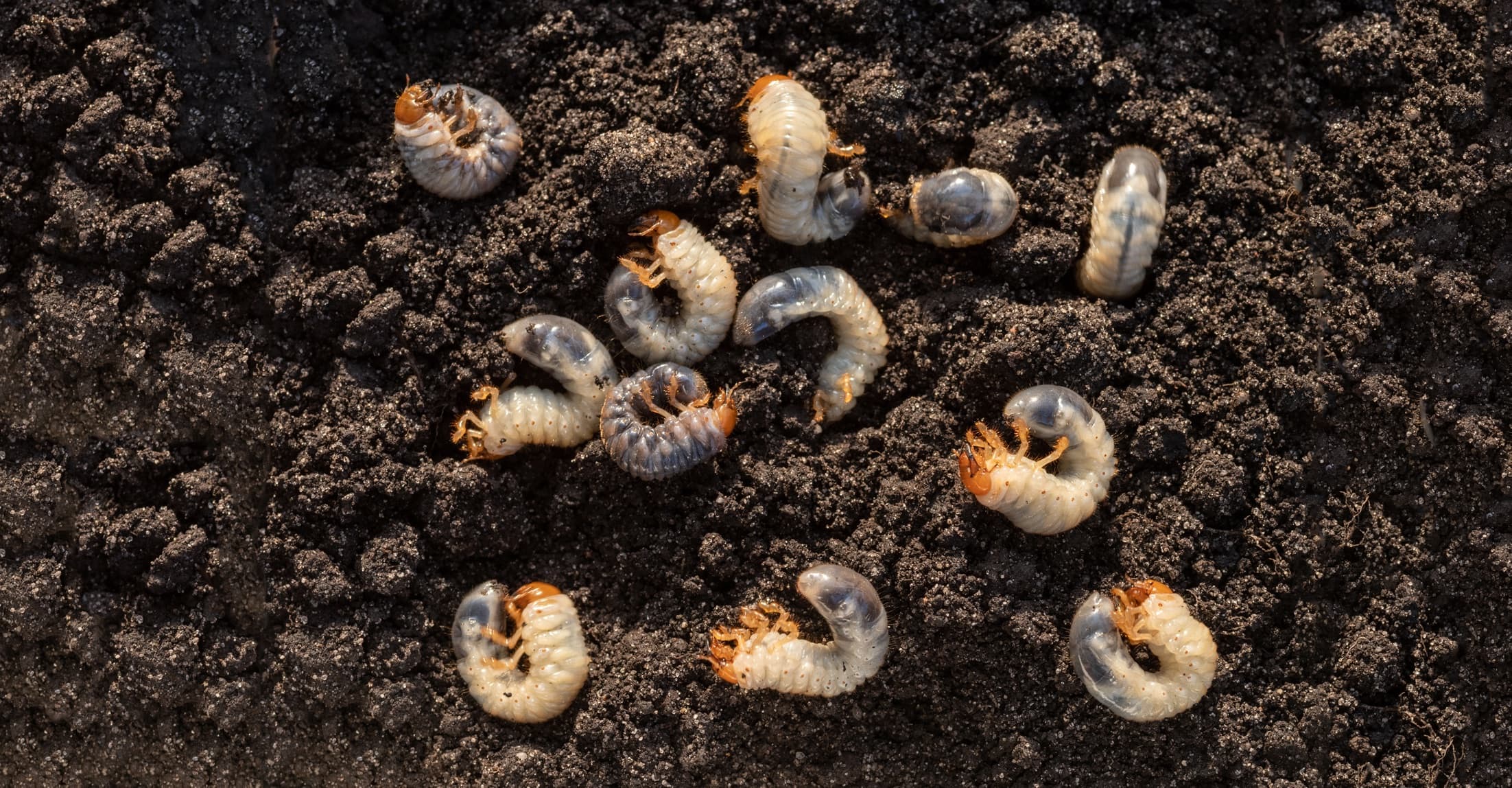
If you’re feeling particularly hands-on, or if you’ve got a localized infestation, you can always resort to the old-fashioned method: dig them up. This is where your trowel and a sturdy pair of gloves come in. Go on a grub hunt! When you see those tell-tale signs of damaged turf, lift up the sod, find the grubs, and… well, get rid of them. You can either dispatch them humanely (a quick squish, or pop them in a bucket of soapy water – it’s grim but effective) or, if you’re feeling generous, feed them to your feathered friends. Remember those birds we talked about? They’ll be eternally grateful.
This method is best for smaller areas. Trying to do this across your entire lawn would be like trying to pick up every single grain of sand on a beach. You’d be there until the next ice age. But for those patches that look like they’ve had a rough night, it’s a satisfyingly direct approach.
4. Chemical Warfare: Use with Caution (and a Heavy Dose of Guilt)
Okay, so there are chemical treatments out there. These are your heavy artillery, your nuclear option. They can be effective, but they’re also generally the least environmentally friendly. They can harm beneficial insects, pets, and even the soil itself. If you’re going down this route, do your research, read the labels meticulously, and consider if the chemical is truly necessary.

Often, the grubs are most vulnerable when they’re young and actively feeding, so timing is key with these treatments. But honestly, in most cases, the natural methods are just as effective, and you won’t have that nagging feeling that you’ve accidentally poisoned a family of ladybugs. We’re aiming for a peaceful, grub-free coexistence, not a barren wasteland!
The Long Game: Preventing Future Grub Fiascos
Getting rid of grubs is one thing, but keeping them away is the real victory. It’s all about making your lawn a less desirable destination for those egg-laying beetles. Regular maintenance is your best bet. Keep that thatch layer down, aerate your soil, and ensure your lawn is healthy and strong.
And if you see those dorky chafer beetles buzzing around in the summer, you can try to gently sweep them off plants or into a bucket. It’s a bit like politely asking unwanted guests to leave the party before they start making a mess. A little proactive effort now can save you a whole lot of grub-induced headaches later.
So there you have it! You're now armed with the knowledge to fight the good fight against chafer grubs. Remember, it’s a battle, not a war to the death (unless you’re a grub, in which case, sorry!). With a little effort, some strategic planning, and perhaps a good sense of humor, you can reclaim your lawn and tell those creepy crawlies to find a new place to party. Happy grub hunting!