How To Get Rid Of Baby Spiders
Hey there, fellow human! So, you've stumbled upon a tiny, eight-legged army in your abode, huh? Yep, we're talking about baby spiders. Those little guys who seem to multiply faster than rabbits at a magic show. Don't panic! They're usually more scared of you than you are of them. And the good news is, getting rid of them is usually a lot simpler (and less dramatic!) than you might think.
First off, let's address the elephant (or should I say, the spider?) in the room. Seeing a bunch of teeny-tiny spiders can be a bit… unsettling. It's like finding a whole convention of miniature ninjas hiding in your curtains. But let's take a deep breath. Most of these little guys are completely harmless, and honestly, they’re probably doing you a favor by munching on even smaller pests like gnats and fruit flies. Think of them as your unpaid, extra-hairy exterminators.
So, What's the Deal with All These Baby Spiders?
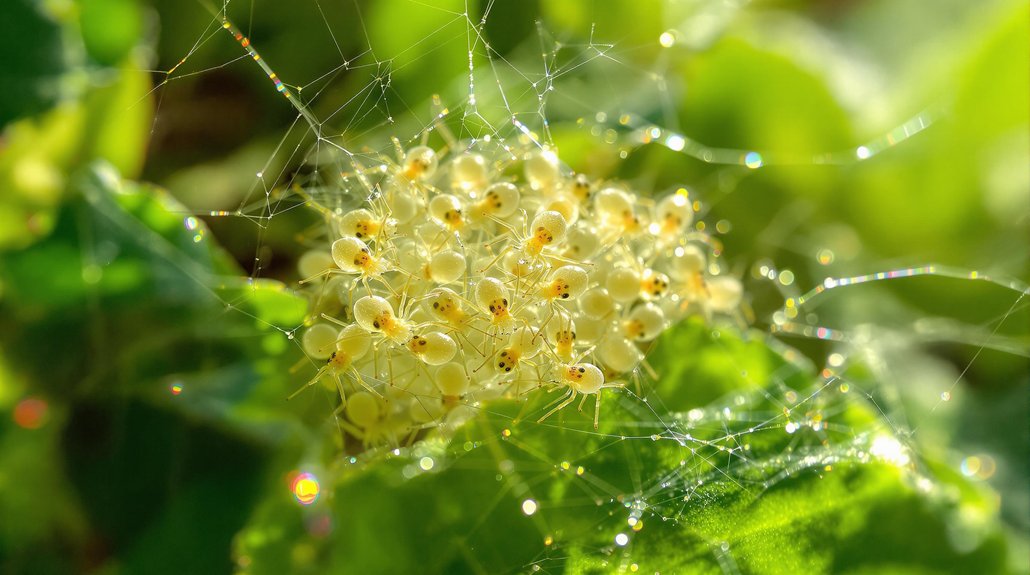
Alright, so why the sudden influx of miniature arachnids? Usually, this happens when a mama spider decides your home is the perfect nursery. She’s probably spun her egg sac somewhere cozy, maybe in a corner, behind some furniture, or even in a forgotten plant pot. When those little ones hatch, it's like a tiny spider-geddon!
Must Read
It's important to remember that these are just babies. They haven't had time to develop any serious "evil villain" intentions. They’re just trying to survive, find some food, and, you know, avoid becoming a snack for a bigger spider (or a rogue dust bunny).
The Gentle Approach: Your First Line of Defense
Before we unleash any, ahem, drastic measures, let's explore the kinder, gentler way to handle this tiny invasion. Sometimes, the simplest solutions are the most effective, and let's be honest, who doesn't love a good, low-impact win?
The "Catch and Release" Mission
This is probably the most popular and humane method. It involves a bit of bravery, a glass, and a piece of paper. Think of yourself as a benevolent spider zookeeper.
What you'll need:
- A clear glass or jar. The clearer, the better, so you can see your little guest.
- A sturdy piece of paper or cardstock. Something that won't bend too easily.
How to execute:
- Spot your target: Locate the baby spider. They’re usually pretty visible when they first hatch, often in a little cluster.
- The swift move: Carefully place the glass over the spider. Try to do this quickly but gently. You don't want to scare them into a zig-zagging escape.
- The slide-in: Gently slide the piece of paper under the opening of the glass. This traps the spider inside. It's like a tiny, eight-legged prisoner, but with parole options!
- The grand liberation: Take your captured spider outside, far away from your house (like, across the street, or into a nice, bushy area). Gently remove the paper and let your little friend explore the great outdoors.
This method is fantastic because it’s eco-friendly, keeps your house spider-free, and doesn't harm the little critters. Plus, you get bragging rights for being a brave spider rescuer!
The Vacuum Cleaner: A Swift, But Less Sentimental Option
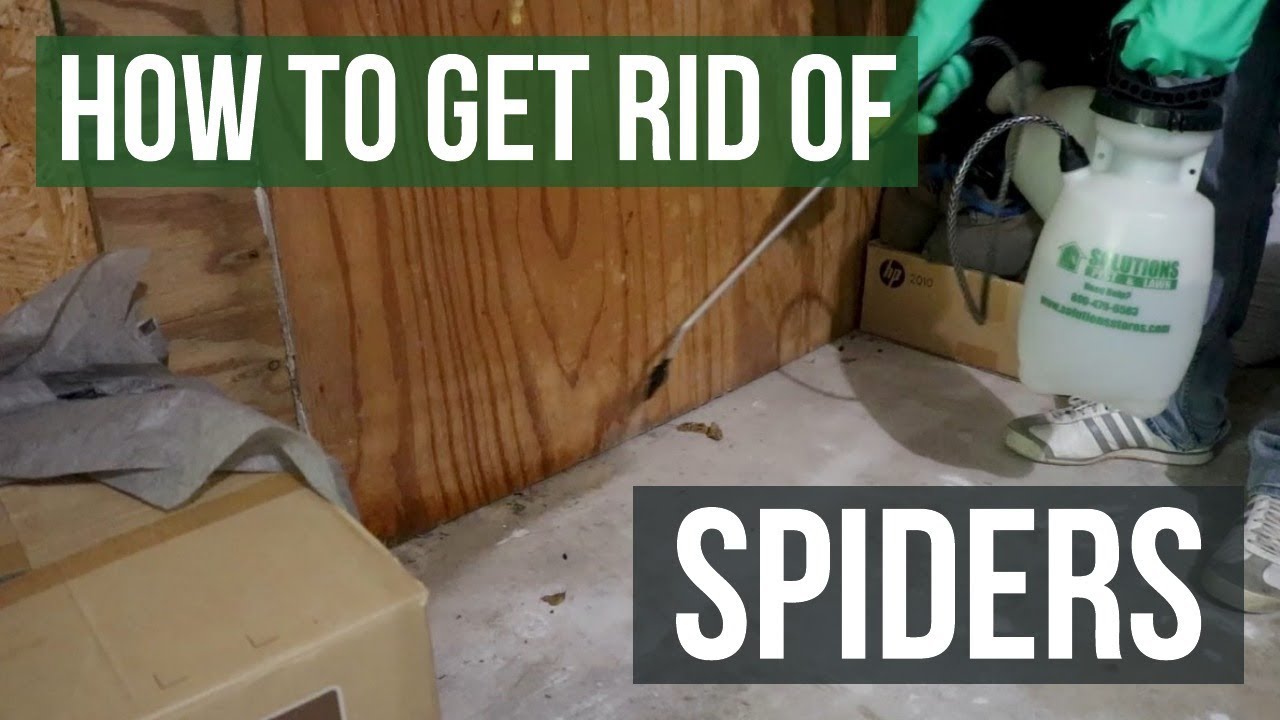
Now, if the thought of getting that close makes your skin crawl, or if there are just too many little guys for a catch-and-release party, the vacuum cleaner can be your best friend. Think of it as a powerful, albeit less personal, removal tool.
A few things to keep in mind:

- Use the hose attachment: This gives you a bit more control and distance.
- Aim carefully: Don't go on a wild vacuuming spree. Target the areas where you see the clusters of baby spiders.
- Empty the bag/canister: Once you've vacuumed them up, it's a good idea to immediately take the vacuum bag outside or empty the canister into a trash bag and seal it. We don't want them staging a jailbreak later!
While this is effective, it’s less humane. If you’re aiming for a more gentle approach, stick with catch-and-release.
Prevention is Key: Stopping Future Spider Parties
Dealing with baby spiders is one thing, but wouldn't it be great if they didn't decide to set up shop in the first place? Absolutely! Prevention is your secret weapon against tiny, creepy-crawly squatters.
Seal Those Entry Points
Spiders, just like us, like to get inside where it’s warm and cozy. They’re not looking for a five-star hotel, just a good place to hang out and find snacks. So, let’s make your home less inviting.
What to do:
- Check your windows and doors: Look for any gaps or cracks where little spiders (or their mamas) could squeeze through. Use caulk or weather stripping to seal them up. It's like putting up "No Vacancy" signs for spiders.
- Inspect utility lines: Where pipes and wires enter your house, there are often small openings. Seal these up too.
- Don’t forget the attic and basement: These are prime real estate for spiders looking for a quiet spot. Make sure they’re well-sealed.
Declutter Your Kingdom
Spiders love hiding places. The more stuff you have lying around, the more opportunities they have to set up their little spider condos.
Action plan:
- Clear out the clutter: Get rid of old boxes, piles of newspapers, and general junk. Especially in garages, basements, and attics. Think of it as a spring cleaning, but for spider deterrence.
- Keep your home tidy: Regular dusting and vacuuming can disrupt spider webs and discourage them from making a home.
- Move firewood and debris away from your house: If you have outdoor firewood piles or garden debris near your foundation, spiders love to hide there.
Natural Deterrents: The Gentle Guardians
You don't need harsh chemicals to keep spiders at bay. There are some natural remedies that many people swear by. They’re like the lullabies that put spiders to sleep… or rather, make them want to move to a different neighborhood.
Popular choices:
- Peppermint oil: Spiders apparently hate the smell of peppermint. Mix a few drops of peppermint essential oil with water in a spray bottle and spritz it around windowsills, doorways, and corners. It smells good to us, and it’s a no-go for them.
- Vinegar: A diluted vinegar spray can also be effective. Mix equal parts white vinegar and water. Spray it in the same areas as the peppermint oil. Just be mindful of the smell, it’s not exactly a Chanel No. 5 for humans.
- Citrus peels: Spiders supposedly dislike citrus scents. Rubbing lemon or orange peels along baseboards and window frames might help. It's like a tiny, aromatic eviction notice.
Remember, natural deterrents might require more frequent application, but they’re a great way to keep your home smelling fresh and spider-free without the chemical nasties.

When to Be a Little More Concerned (and What to Do)
While most baby spiders are harmless, it's always good to be aware. In some regions, certain species of spiders can have venom that is medically significant. If you're unsure about the type of spider you're dealing with, or if you suspect you've encountered a venomous species (like a Black Widow or Brown Recluse, depending on your location), it's best to exercise extra caution.
If you suspect a dangerous spider:
- Avoid direct contact: Don't try to catch them with your bare hands.
- Use a secure container: If you must remove them, use a sturdy container, like a thick glass jar, and seal it very carefully.
- Seek professional help: If you have a significant infestation of potentially dangerous spiders, it might be worth calling a pest control professional. They have the expertise and tools to handle the situation safely.
Identify with caution: If you're curious about the spider species, take a clear photo from a safe distance and use an online identification guide or app. Don’t get too close for a selfie!
The Grand Finale: A Spider-Free Sanctuary
Phew! So, you've tackled the tiny terrors, armed with your wits, a glass, and maybe some peppermint oil. See? It wasn't so bad, was it? You’ve gone from feeling a little overwhelmed to being a master of tiny spider management. You’re basically a superhero in your own home, saving the day one tiny arachnid at a time.
Remember, these little guys are just doing their thing. And with a little effort, you can ensure their "thing" happens outside your living space. Now, go forth and enjoy your wonderfully spider-free (or at least, less-spider-filled) haven. You’ve earned it! And hey, if you ever see a really cute ladybug, feel free to give it a pat for us. They're usually the good guys.