How To Get Blood Out Of Clothes
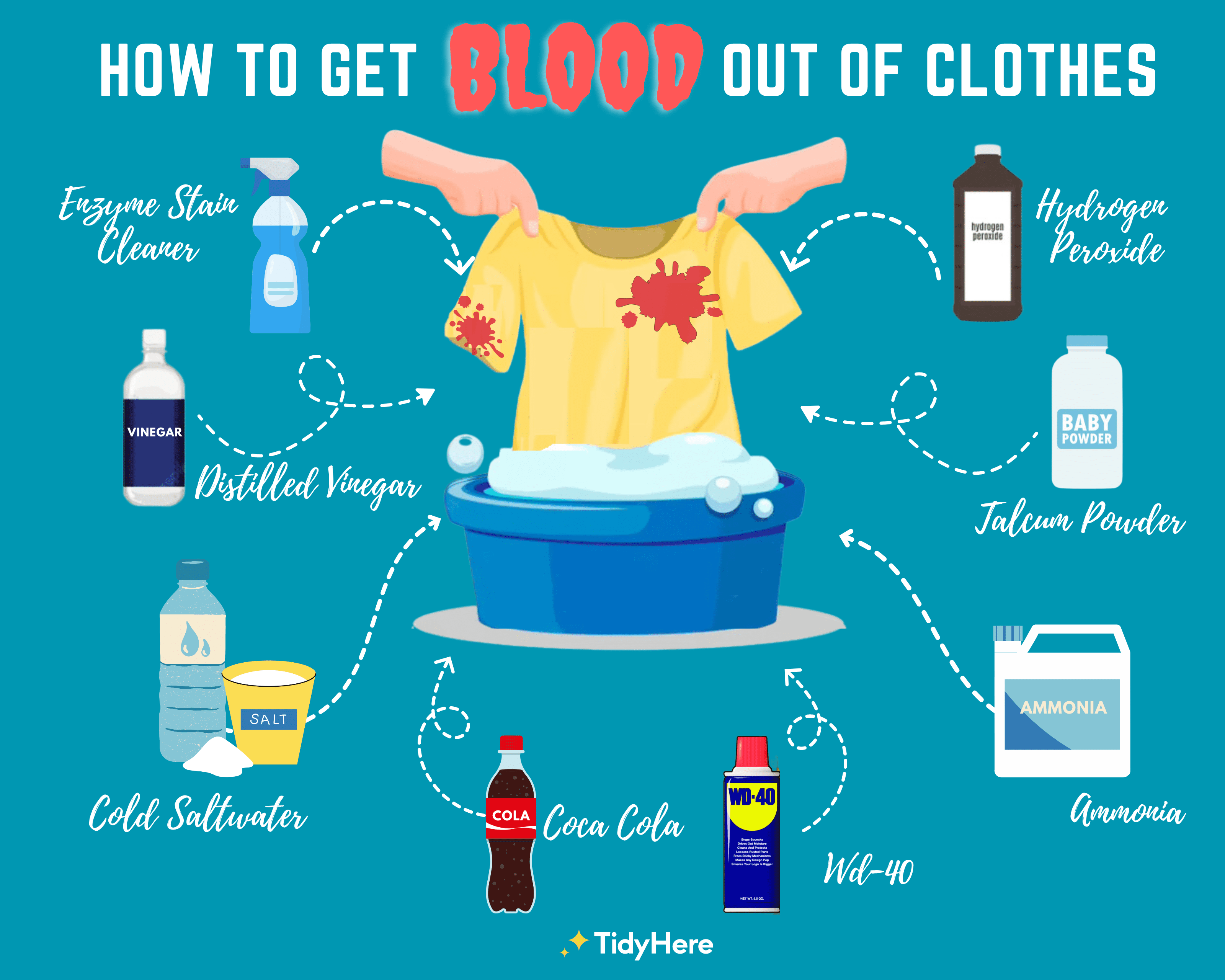
Okay, let's talk about something that happens to all of us, at least once in a while. It's not exactly glamorous, but it's a fact of life: you get blood on your clothes. Maybe you nicked yourself shaving a little too enthusiastically, or perhaps your little one took a tumble and scraped their knee (again). Or maybe, just maybe, you're a bit of a clumsy cook and a stray chop landed a bit too close for comfort. Whatever the reason, that tell-tale crimson stain can send a jolt of "oh no!" through you.
But here's the good news: getting blood out of clothes is totally doable. You don't need to be a forensic scientist or have a secret stash of industrial-strength stain removers. With a few simple tricks and a bit of quick action, you can usually save your favorite shirt or that pristine pair of jeans. It’s like a little domestic superpower!
Why Should We Even Care About Blood Stains?
You might be thinking, "It's just a little blood. Does it really matter?" Well, yes and no. On a practical level, nobody wants to walk around with a visible stain, right? It can be a bit embarrassing, like wearing mismatched socks without realizing it until you’re at a fancy dinner. But more than that, a fresh blood stain, if left to set, can become a stubborn little gremlin that just refuses to leave.
Must Read
Think of it like this: a fresh stain is like a new acquaintance. You can easily chat with them, get to know them, and they’ll probably leave without much fuss. A set-in stain, however, is like that acquaintance who overstays their welcome, tracks mud all over your clean floors, and somehow ends up rearranging your furniture. You’ve got to put in a lot more effort to get them out!
So, caring about blood stains is all about being proactive, saving yourself future headaches, and keeping your wardrobe looking its best. It’s about winning the battle before it even gets tough.
The Golden Rule: Act Fast!
This is the most important tip, the one you should tattoo on the inside of your eyelids (okay, maybe not that extreme, but you get the idea). The fresher the blood stain, the easier it is to remove.
Seriously, if you can tackle it within minutes, you’re practically home free. Imagine a spilled glass of water – you can just wipe it up. A dried-up puddle? That’s going to take some serious mopping. Blood is similar. It’s like a tiny, persistent guest. The sooner you show them the door, the better.
Your Secret Weapon: Cold Water
Now, before you even think about reaching for the hot water, stop! This is a common mistake that can actually make things worse. Why? Because heat can cause the proteins in the blood to cook into the fabric, making the stain permanent. Bummer, right?
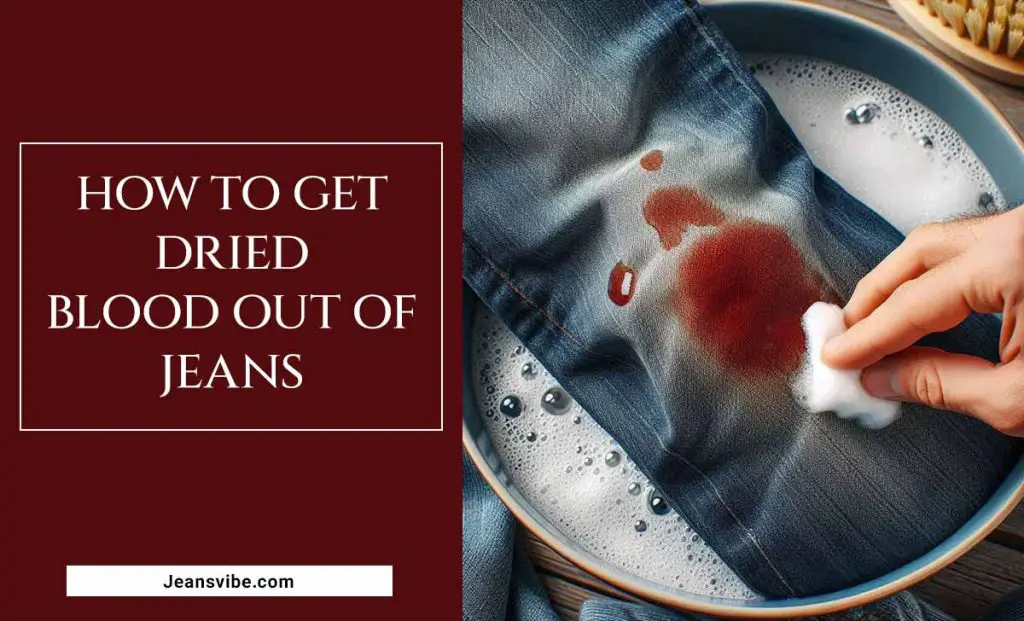
Instead, your go-to hero is cold water. It’s like a refreshing blast of air on a hot day – it calms things down. For fresh stains, a good soak in cold water is often enough to get the majority of it out. You can run the fabric under a cold tap, gently rubbing the stain from the back to push the blood out, not further in.
Think of it like trying to rinse off some sticky jam. If you use warm water, it might spread it around a bit. Cold water is more likely to help it detach from the surface. Simple, effective, and readily available!
What About Soaking?
If you can’t get to the stain immediately, or if it’s a bit more stubborn, a soak in cold water is your next best friend. Just fill a sink or a basin with cold water, pop the stained item in, and let it do its thing. You can leave it for an hour, or even overnight for really tough spots. This gives the water a chance to work its magic and loosen up those pesky blood cells.

When Cold Water Isn't Enough: Enter the Stain Fighters
Sometimes, even the best intentions and a good cold soak need a little extra help. Don't fret! There are a few common household items that can be surprisingly effective. These are like your trusty sidekicks, ready to jump in when the situation gets a bit more challenging.
Hydrogen Peroxide: The Bubbling Avenger
This is a fantastic option for many fabrics, especially whites. Hydrogen peroxide is a mild bleaching agent, and it’s brilliant at breaking down blood. You know how it bubbles up when you put it on a cut? That’s the oxygen being released, and it's doing the same thing to the stain!
Here's the trick: dab some 3% hydrogen peroxide directly onto the stain using a cotton ball or a clean cloth. You’ll see it start to foam. Let it sit for a few minutes, then rinse thoroughly with cold water. You might need to repeat this a couple of times for tougher stains. Always test hydrogen peroxide on an inconspicuous area first, especially on colored fabrics, as it can sometimes lighten them.
It’s like a tiny science experiment happening right on your shirt, but the end result is a clean fabric! Just be a little cautious with delicate or brightly colored items.

Salt and Cold Water Paste: The Gentle Scrub
If you’re a bit hesitant about chemicals, or if you have colored fabrics that you’re worried about bleaching, a good old-fashioned salt paste can be your savior. Salt is a mild abrasive and can help lift the stain.
Mix a paste of baking soda and cold water, or just plain salt and cold water. Apply this paste generously to the stain and let it sit for at least 30 minutes, or even longer. The salt will help draw the blood out of the fibers. Once it’s had a good go at it, gently scrub the area with a soft brush (an old toothbrush works wonders!) and then rinse with cold water. It's like a mini spa treatment for your clothes.
Dish Soap: The Grease-Fighting Hero (Yes, Really!)
Dish soap is designed to break down grease, but it can also be surprisingly effective on protein-based stains like blood. A little bit of gentle dish soap, like the kind you use for hand-washing dishes, can help lift the stain.
Apply a small amount of mild dish soap directly to the stain and gently rub it in with your fingers or a soft cloth. Let it sit for a few minutes, then rinse with cold water. This is a good option for tackling smaller or less intense stains.

The Final Wash
Once you’ve treated the stain with one of the above methods and you think it’s gone (or significantly faded), it’s time for the final wash. Wash the garment as you normally would, but make sure you’re using cold or cool water. And, importantly, check the stain before you put the item in the dryer.
Why? Because, you guessed it, the heat of the dryer can set any remaining stain permanently. If you still see a faint trace of the blood, repeat the treatment process before drying. It’s like a final inspection before your clothes go back into circulation!
When to Call in the Big Guns
For very old, stubborn, or large blood stains, you might need to resort to something a bit more powerful. Commercial stain removers are readily available and can be very effective. Look for ones that are specifically designed for protein stains or blood. Always follow the product instructions carefully and, again, test on an inconspicuous area first.
Sometimes, the best course of action is to take it to a professional dry cleaner. If it's a very delicate or valuable item, or if you've tried everything and the stain is still stubbornly hanging on, a dry cleaner has specialized treatments that might do the trick.
A Little Bit of Hope and a Lot of Clean Clothes
So, there you have it. Getting blood out of clothes doesn't have to be a major drama. With a little awareness, a bit of quick action, and the right tools (which are likely already in your pantry or bathroom cabinet), you can tackle most blood stains with confidence. It’s a small skill that can save you a lot of frustration and keep your clothes looking their best for longer. Go forth and conquer those crimson challenges!