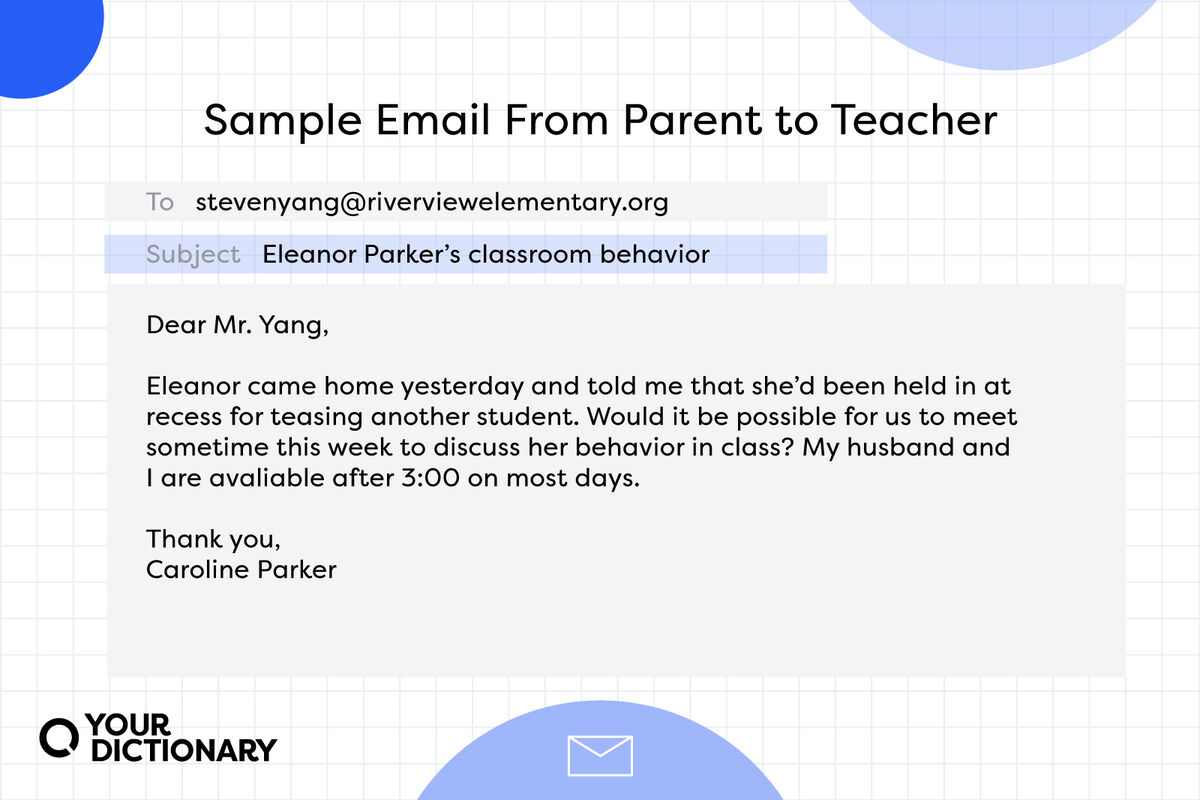
How To End An Email To Your Teacher
Ever stared at the blinking cursor after typing out a perfectly crafted email to your teacher, only to freeze up at the very end? You know, that moment where you've asked your question, clarified a point, or thanked them for their help, and now you're left wondering… what comes next? It might seem like a tiny detail, but figuring out how to end an email to your teacher is actually a surprisingly relevant and, dare I say, a little bit fun skill to hone.
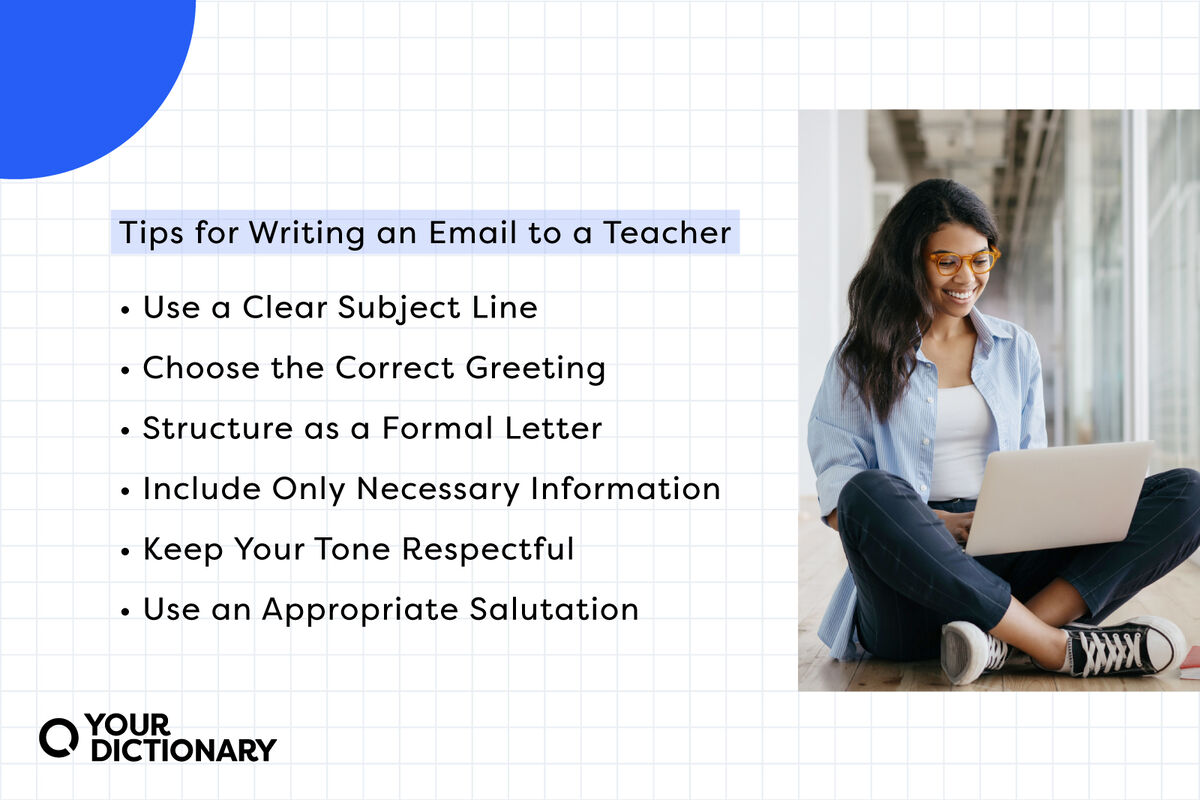
Think about it: your emails are often your primary form of communication with educators outside of the classroom. A good closing isn't just about being polite; it’s about making a positive impression, reinforcing your professionalism, and ensuring your message is received with the right tone. The purpose is to convey respect and finality, leaving the door open for future communication. The benefits are manifold: a well-chosen closing can make your teacher more inclined to respond promptly, understand your seriousness, and view you as a considerate student. It’s like the perfect punctuation mark at the end of a great sentence – it just feels right.
This skill isn't confined to the academic realm, either. Imagine sending an email to a potential employer, a client, or even a new acquaintance you met professionally. The principles of a polite and effective closing are universal. In education, it could be after you've emailed your professor about a deadline extension, your high school teacher asking for clarification on an assignment, or your tutor confirming your next session. Even in everyday life, you might be emailing a volunteer coordinator or a community group organizer. Learning to close your emails gracefully in an educational context builds a foundation for these other important interactions.
Must Read
So, how do we actually do it? It's simpler than you might think! The key is to be clear, concise, and courteous. Instead of just slamming a "Thanks," consider adding a little more context. For instance, if you're thanking them for their time, you could say, "Thank you for your time and assistance with this." If you're looking forward to their response, "I look forward to hearing from you," is a classic for a reason. A simple "Sincerely," or "Regards," followed by your name is always a safe bet. For a slightly warmer touch, "Best regards," or "Kind regards," can work beautifully.
Want to explore this further? Start by paying attention to the closings in emails you receive. Notice what resonates with you. When you write your next email to a teacher, try out a couple of different closings and see how they feel. You could even keep a small list of your favorites. Think about the context of your email; a formal request might warrant a more traditional closing like "Sincerely," while a quick question might be followed by "Thanks," or "Best." The goal is to find a closing that feels authentic to you and appropriate for the situation. It’s a small detail, but mastering it can make a surprisingly big difference!