
How To Carve A Leg Of Lamb
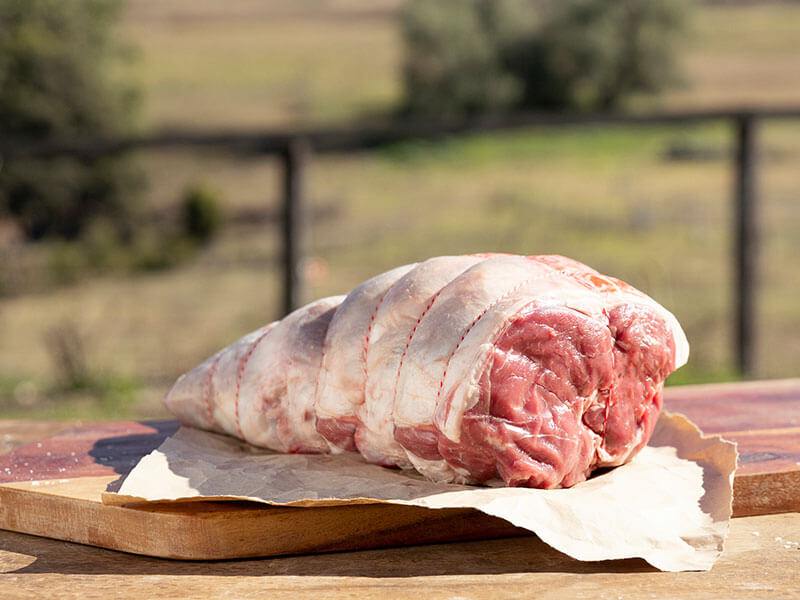
Ah, the leg of lamb. That magnificent centerpiece, a symbol of abundance and celebration, yet often shrouded in a bit of mystery when it comes to the carving itself. Forget the frantic, saw-like sawing you might have witnessed at a childhood Easter dinner. Carving a leg of lamb, when done with a little finesse and the right tools, is less about brute force and more about a graceful dance. Think of it as the culinary equivalent of a well-executed brushstroke, turning a beautiful roast into perfectly portioned delights.
We're not talking Michelin-star precision here, folks. This is about bringing a touch of relaxed elegance to your table, whether it’s a Sunday family meal, a special occasion, or just a “why not?” kind of Tuesday. The goal is to serve tender, succulent slices without turning your masterpiece into a shredded mess. So, grab your sharpest knife and a bit of patience, and let’s unlock the secrets of the perfect lamb leg carve.
Prep: The Unsung Hero of a Seamless Carve
Before we even think about the blade meeting the meat, a little bit of prep goes a long way. First and foremost, let it rest. Seriously, this is non-negotiable. After your leg of lamb has emerged from the oven, glistening and fragrant, resist the urge to carve immediately. Tent it loosely with foil and let it sit for at least 15-20 minutes. This crucial resting period allows the juices to redistribute throughout the meat, ensuring every slice is moist and flavorful. If you cut too soon, all those precious juices will run onto your carving board, leaving you with dry lamb. Think of it as the lamb taking a well-deserved breather before its final performance.
Must Read
Why is resting so important? It's all about muscle fibers. When meat cooks, the fibers contract and squeeze out moisture. Resting allows these fibers to relax and reabsorb those juices. It’s a bit like letting a stressed-out colleague unwind after a big project – they’ll be much more pleasant and productive!
Next, positioning is key. You want your leg of lamb to be stable and secure. Place it on a sturdy carving board, ideally one with a juice groove to catch any escaping liquids. Some people like to place a folded kitchen towel underneath the board to prevent it from slipping. If your leg has a bone-in section, try to position it so the largest, flattest side is facing upwards. This usually means the bone is on one side, and the bulk of the meat is accessible.
And of course, the tools. You don't need a professional set of carving knives, but a sharp, long carving knife is your best friend. A dull knife will tear the meat, making the whole process frustrating and resulting in less-than-beautiful slices. If you have a carving fork, have it ready to steady the meat, but remember to use it gently to avoid creating unnecessary holes.
The Carving Dance: Step-by-Step Elegance
Now for the main event! The approach to carving a leg of lamb can vary slightly depending on whether it’s bone-in or boneless, and even the angle of the bone. But the fundamental principles remain the same. We're aiming for clean, even slices that showcase the beautiful pink interior.
For a Bone-In Leg of Lamb:
This is where things can seem a little more… architectural. But fear not!
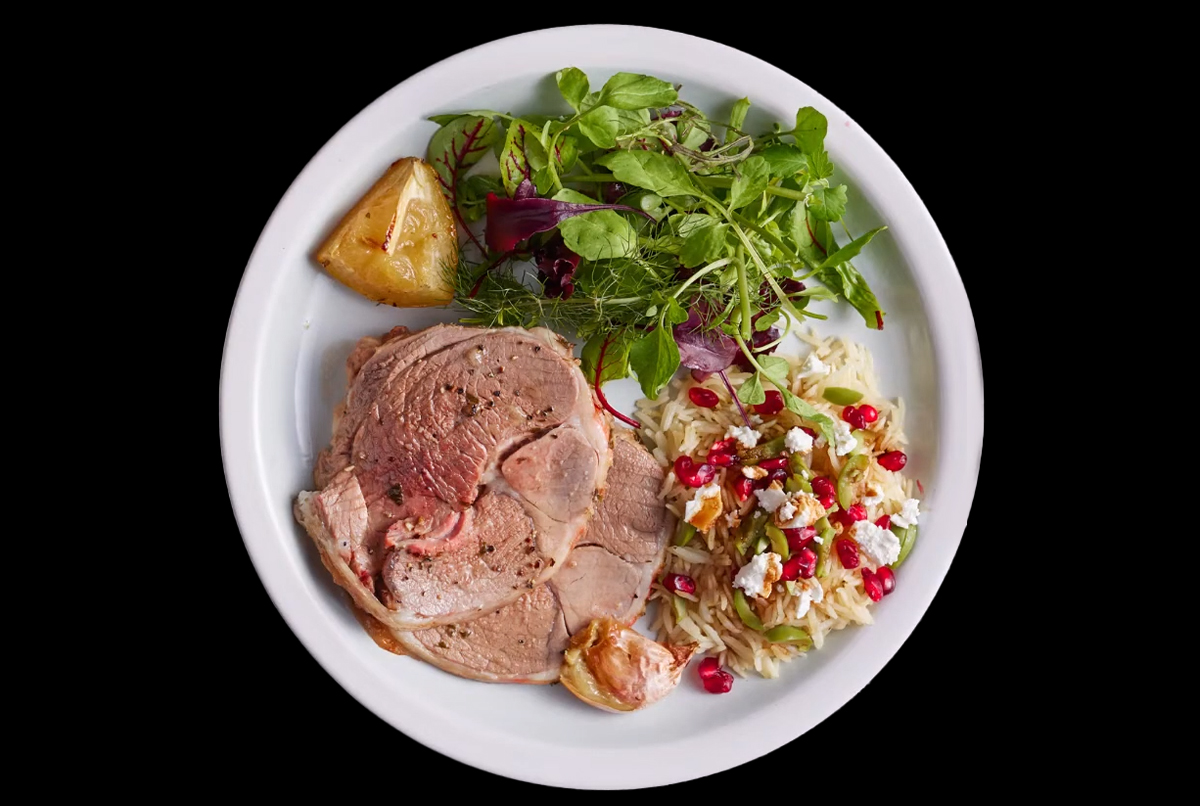
1. Locate the Bone: Identify the main bone structure. On a traditional leg of lamb, you’ll usually find the “shank” bone (the knobbly end) and the larger, flatter “hip” bone. We'll generally start by carving away from the bone.
2. The First Slice: Start on the side opposite the largest part of the bone. Position your knife at a slight angle to the surface, and make a deep cut down towards the bone, creating a section that you can then slice across. This first cut essentially separates a “wedge” of meat.
3. Slicing the Wedge: Now, with your knife held parallel to the carving board, slice across the meat you’ve just separated from the bone. Aim for slices about ¼ to ½ inch thick. Let the knife do the work; don’t saw. If the meat is properly rested, it should yield easily.
4. Working Around the Bone: As you slice, you'll notice the bone getting in the way. That’s where the bone comes in handy! You can use your knife to make cuts along the bone, separating the meat from it. Sometimes, the meat adheres quite closely to the bone, especially towards the hip. Here, you can make a series of angled cuts, like little “V” shapes, to get as much delicious meat off the bone as possible without damaging your main slices.
5. The “Fall-Off-The-Bone” Treasure: Don’t neglect the meat clinging to the bone! This is often the most flavorful part. Once you’ve carved the main portion, you can use your knife to carefully scrape and slice off any remaining morsels. These are perfect for tidbits or for anyone who loves to gnaw on a bone!

A little cultural tidbit: In many Mediterranean cultures, lamb is a staple during celebrations like Easter and Ramadan. The act of sharing a whole roasted lamb is deeply symbolic of togetherness and hospitality. Carving it with care is part of that tradition, a respectful way to present a gift from the table.
For a Boneless Leg of Lamb:
Boneless legs are generally more straightforward, offering a larger canvas for your carving skills.
1. Identify the Grain: Look closely at the leg. You'll see lines running through the meat – this is the grain. The secret to tender slices is to always carve against the grain. This shortens the muscle fibers, making the meat much easier to chew.
2. The First Few Slices: Start at one end of the leg. Make a firm, steady cut at a slight angle to the surface, about ¼ to ½ inch thick. Continue slicing across the leg, moving towards the other end, always cutting against the grain.
3. Keep it Consistent: Try to maintain a consistent thickness for your slices. This not only looks more appealing but also ensures that everyone at the table gets a similar experience.

4. The "Butterfly" Effect: If your boneless leg has been butterflied (opened up and flattened), you might find it easier to carve by treating it like a large, flat piece of meat. Identify the grain and simply slice across it in even strips.
Fun fact: The word "lamb" comes from the Old English "lamb" and the Proto-Germanic "lambaz". It's a word that has essentially stayed the same for centuries, reflecting the enduring popularity of this tender meat!
Beyond the Basics: Tips for a Pro Touch
Even with the best intentions, sometimes a carve can get a little… wobbly. Here are a few extra pointers:
Use a Sharp Fork (Gently): If you're struggling to steady the meat, a carving fork is useful. However, don't plunge it in deep and twist. A gentle placement, just enough to hold the meat in place, is all you need. Overly aggressive use can tear the meat.
* Angle is Everything: When carving bone-in, experimenting with the angle of your knife against the bone can help you get those tricky bits of meat. Think of it like trying to peel an apple – you’re working with the curves.

* Don't Fear the Scraps: Those little bits of lamb that come off near the bone are pure gold! Don't discard them. They're fantastic for impromptu sandwiches, adding to a salad the next day, or simply for a quick, delicious snack.
* The Presentation Matters: Once carved, arrange your slices attractively on a warm serving platter. Overlap them slightly, or fan them out. A sprinkle of fresh herbs, like rosemary or mint, can add a final flourish.
* If it’s a Little Tough: If, despite your best efforts, a slice is a bit chewier than you'd like, don't despair. A drizzle of the pan juices or a dollop of mint sauce can work wonders. Remember, it's all about enjoying the meal!
A Reflection: The Art of Nourishment
Carving a leg of lamb, or indeed any roast, is more than just dividing food. It’s a small act of generosity, a moment where the cook transitions from creator to provider. It’s about taking something beautiful that you’ve nurtured through the cooking process and sharing it with care. In our fast-paced lives, where meals can often be grabbed on the go or prepared with minimal fuss, taking the time to carve a roast with intention feels almost meditative.
It’s a reminder of tradition, of shared meals, and of the simple pleasure of presenting delicious food to loved ones. So, the next time you’re faced with a glorious leg of lamb, don’t be intimidated. Embrace the process. Enjoy the satisfying feel of the knife gliding through tender meat, the aroma filling your kitchen, and the smiles around the table as you serve up your beautifully carved creation. It’s a small, satisfying ritual that adds a layer of warmth and connection to the act of eating, transforming a meal into an experience.

