How To Care For Roses In Winter

Ah, roses. Those divas of the garden, aren't they? They demand attention, a splash of sunshine, a good drink, and maybe a whispered compliment or two. But then, when the leaves start to paint themselves in fiery hues and the air gets that crisp, nostalgic bite, our thorny queens start to look a little… well, vulnerable. Winter is coming, and while we might be dreaming of cozy nights in with a mug of something warm, our beloved roses are preparing for their own kind of slumber.
Fear not, fellow garden enthusiasts! Caring for your roses in winter isn't some Herculean task involving chainsaws and industrial-grade antifreeze. It's more like tucking your favorite cashmere sweater into storage – a gentle process that ensures it’ll be as gorgeous as ever when spring rolls around. Think of it as a spa day for your roses, a pre-emptive strike against the chill.
The Grand Finale: Tidy Up Time!
Before the first real frost kisses your garden goodbye, it’s time for a bit of a pre-winter spruce-up. This is where we get to channel our inner Marie Kondo and declutter our rose bushes.
Must Read
Pruning: Less is More (For Now!)
Now, I know what you're thinking. "Pruning? But I just did that!" And yes, you probably did a magnificent job of shaping them up for summer blooms. However, winter pruning is a different beast. We're not aiming for intricate sculptures here. Think of it more as a strategic trim to prevent winter damage.
The goal is to remove any dead, damaged, or diseased wood. You know, the stuff that looks like it’s already checked out of the party. Use clean, sharp secateurs – we don’t want to invite any nasties in. Look for branches that are crossing or rubbing against each other. These are prime candidates for removal.
Why, you ask? Because these weak or damaged branches are like tiny invitations for wind and snow to do some serious damage. A broken branch can tear through the rest of the plant, creating larger wounds that are harder to heal. So, a quick snip here and there is like giving your rose bush a strong, supportive hug.
Also, take a moment to remove any straggler blooms that are still clinging on. They’re not going to fully open, and they’ll just be a soggy mess come frost. Think of them as last-minute party guests who overstayed their welcome. Polite but firm removal is key.

Clearing the Decks: Mulch is Your Best Friend
Once you've finished your mini-pruning session, it's time to clear away all the fallen leaves and debris from around the base of your roses. This is a crucial step, and here’s why: those fallen leaves can harbor all sorts of unpleasantness – fungal diseases, pesky pests like aphids and slugs. We want our roses to start their winter rest in a clean and healthy environment.
Now, for the star of the show: mulch. Think of mulch as a cozy, insulating blanket for your rose roots. It helps to regulate soil temperature, preventing drastic fluctuations that can damage the roots. It also keeps moisture in, so your roses don’t dry out completely during the winter months.
What kind of mulch should you use? A good, all-purpose mulch will do the trick. Composted bark, wood chips, or even straw are excellent choices. Aim for a layer of about 2-4 inches, but make sure you keep it a little away from the actual stem of the rose. We don’t want to encourage rot right at the base. Imagine giving them a warm hug, but not one that’s too tight around the neck!
This mulching ritual is like tucking a child into bed with their favorite blanket. It’s comforting, protective, and sets the stage for a peaceful sleep. And let’s be honest, who doesn’t love a good mulch? It makes the garden look so tidy and cared for, even when everything else is starting to look a bit bleary-eyed.
When the Frost Bites: Protection Measures
As winter truly settles in, and those frosty mornings become a regular occurrence, it's time to think about a little extra protection for your precious roses, especially if you live in an area with harsh winters.
The Art of the Rose Cone
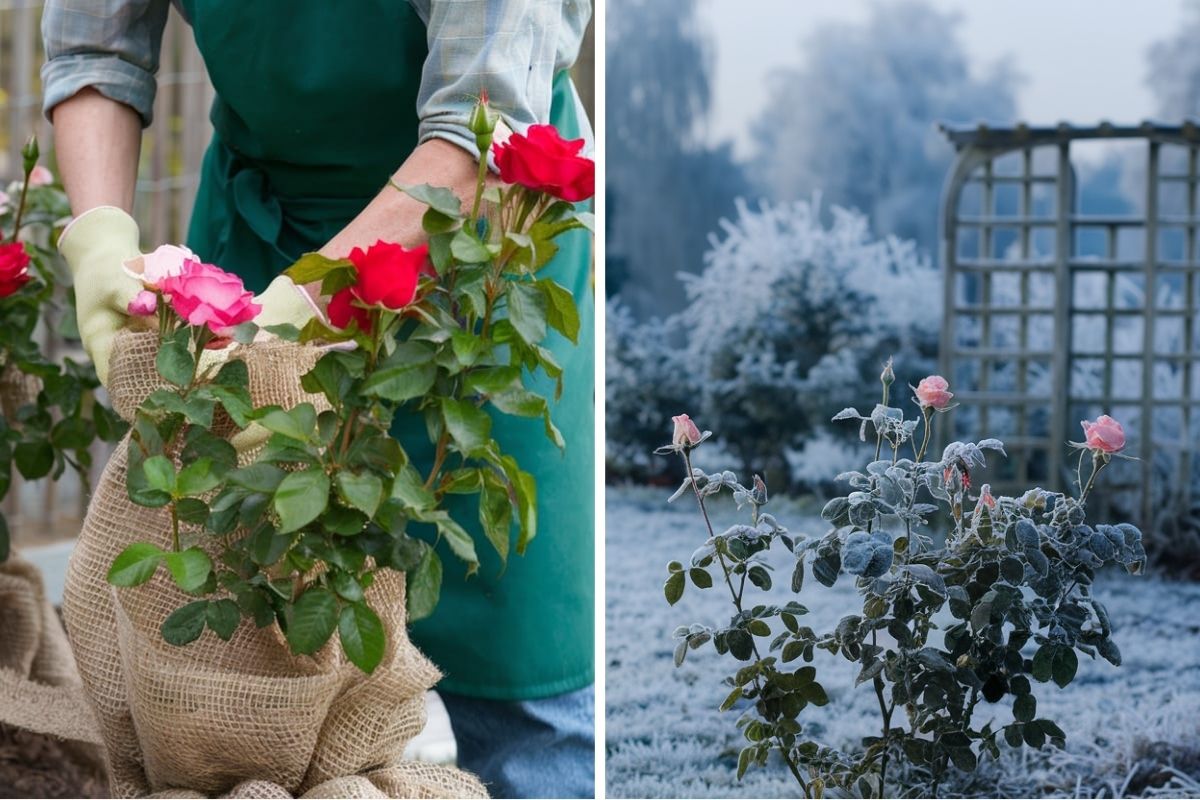
For particularly sensitive or newly planted roses, a rose cone can be a lifesaver. These are usually made of plastic or burlap and are placed over the top of the plant. They create a mini-greenhouse effect, offering protection from wind, snow, and extreme cold.
The trick with rose cones is to ensure they have some ventilation. You don't want to trap too much moisture, as this can lead to fungal problems. You can achieve this by propping the cone up slightly at the base or by ensuring there are some small holes. Think of it as giving them a breathable little sleeping bag.
Some gardeners also like to fill the cone with a bit of straw or dry leaves for extra insulation. This is especially beneficial in areas with very low temperatures. It’s like adding extra blankets on a truly frigid night.
For the Hardy Souls: Winter Watering
Now, this might seem counterintuitive. Watering in winter? But hear me out. If you live in a region with dry winters, or if you experience periods of thaw and then refreeze, your roses can still suffer from dehydration. It's like us needing a sip of water even when we're bundled up indoors.

The key here is infrequent but deep watering. On a mild, frost-free day, if the ground is dry, give your roses a good soak. This allows the water to penetrate deep into the root zone. Avoid watering when the ground is frozen, as the water can't be absorbed and can actually freeze the roots.
And please, for the love of all things floral, avoid wetting the foliage. We’re aiming to quench their thirst, not give them a frosty shower. Wet leaves in cold temperatures are a recipe for disease.
The "Why" Behind It All: A Little Garden Wisdom
So, why do we go through all this fuss? Well, our roses are perennial plants, meaning they have a natural cycle of growth, bloom, and rest. Winter is their time to recharge their batteries. By providing a little extra care, we’re helping them to get through this dormant period without unnecessary stress.
Think of it like training for a marathon. You wouldn't just run the race without any preparation, right? You'd have your training plan, your nutrition, your rest. Winter care for roses is their training plan. We're helping them build strength and resilience so they can come back stronger and more beautiful than ever in the spring.
It’s also about preventing damage. Harsh winds can snap branches, heavy snow can break them, and extreme temperature fluctuations can damage delicate roots. Our winter care efforts are essentially acting as a protective shield against these elements.

And let’s not forget the aesthetic joy. A well-maintained rose garden, even in its winter dormancy, has a certain quiet elegance. The clean lines, the mulched beds – it speaks of a gardener who loves their plants and takes pride in their haven.
A Few Fun Facts to Brighten Your Winter Garden Musings
- Did you know that some roses, particularly the species roses (the wild, old-fashioned types), are incredibly tough and can actually handle winter with minimal fuss? They've evolved to be quite resilient!
- The oldest living rose bush in the world is over 1,000 years old and grows on the wall of the Hildesheim Cathedral in Germany. Talk about enduring!
- In Roman times, roses were associated with Venus, the goddess of love and beauty. So, you’re essentially caring for a plant with mythological significance!
The Reflection: Beyond the Blooms
As I’m out there, tidying up my roses, feeling the crisp air on my cheeks and the satisfying crunch of fallen leaves underfoot, I’m reminded that life, much like gardening, has its seasons. There are times of vibrant growth and abundant blooms, and then there are times of necessary rest and preparation.
Winter care for our roses isn't just about the plant; it’s a mindful practice. It’s about observing, understanding, and responding to the needs of something beautiful. It’s about being present in our gardens, even when they seem to be sleeping.
And doesn’t that translate so perfectly to our own lives? We, too, need periods of rest, of shedding the old and making way for the new. We need to protect ourselves from the harsh winds of stress and the chilling frosts of negativity. We need to nourish ourselves so that when spring arrives, in whatever form it takes – a new opportunity, a renewed sense of purpose, a burst of creative energy – we are ready to bloom.
So, the next time you’re out tending to your roses in the fading light of autumn, take a deep breath. Appreciate the quiet beauty of their preparation. And remember, this simple act of care is a reflection of a larger, more profound rhythm of life. It’s a reminder that even in stillness, there is growth, and even in dormancy, there is hope for a vibrant return. And that, my friends, is a beautiful thing indeed.