How To Care For A Cheese Plant
/grow-monstera-adansonii-swiss-cheese-plant-1902774-hero-01-dc903dae459a4dd5b919d5e1d1bee9d3.jpg)
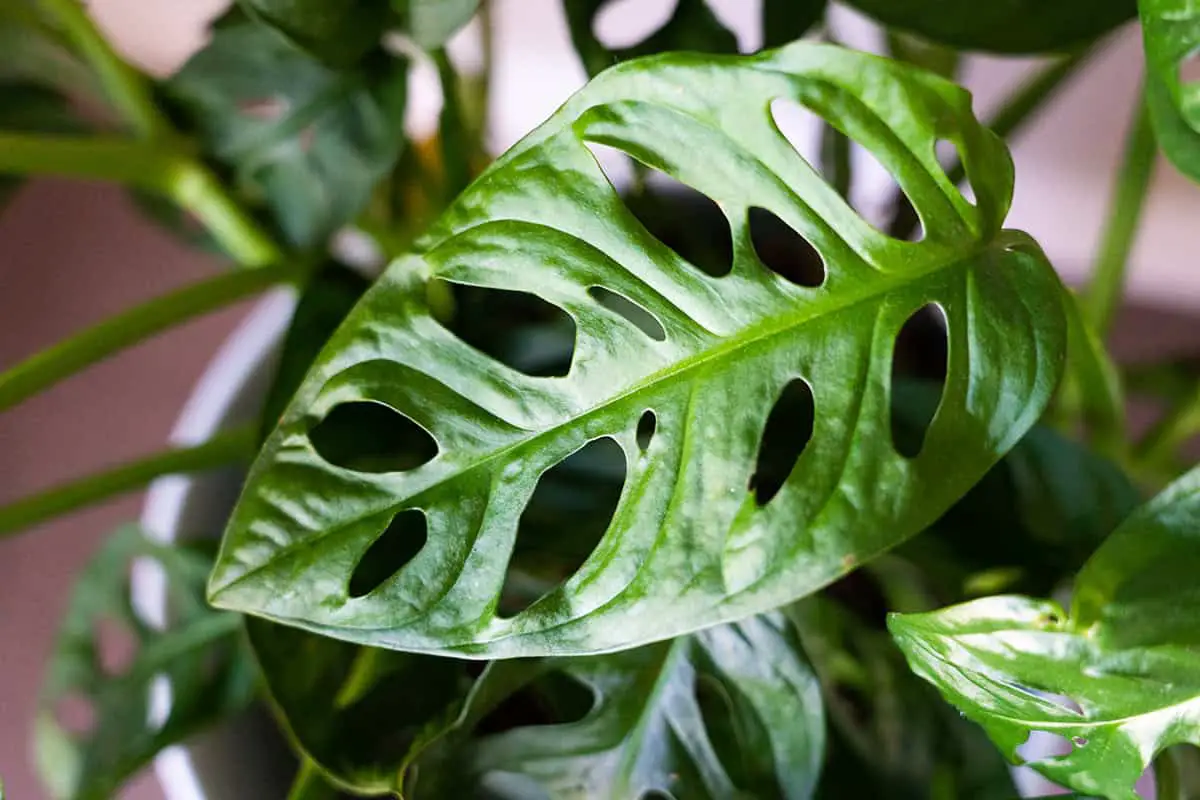
Let’s talk about a plant that’s gone from a bit of a niche jungle dweller to an absolute superstar of the houseplant world: the Cheese Plant. You know, that gorgeous specimen with the big, holey leaves that look like they’ve been artfully sliced with a cookie cutter? Yep, that’s the one! Its popularity is no surprise; it brings a serious dose of tropical chic to any space, turning ordinary rooms into mini urban jungles. And the best part? Caring for these leafy beauties is surprisingly straightforward, making them a fantastic choice for both seasoned plant parents and eager beginners. So, if you’ve recently welcomed a Monstera deliciosa into your home, or are just dreaming of adding one, get ready to dive into the wonderful world of Cheese Plant care!
The purpose of caring for your Cheese Plant is simple: to help it thrive and bring its stunning, architectural beauty to your home for years to come. Beyond just looking good (which, let’s be honest, is a huge perk!), healthy houseplants like the Monstera can actually improve your living environment. They are natural air purifiers, helping to filter out common indoor pollutants, which can lead to a fresher, healthier atmosphere. Studies have shown that being around plants can also reduce stress, boost mood, and increase feelings of well-being. So, by nurturing your Cheese Plant, you’re not just tending to a plant; you’re cultivating a little slice of paradise that benefits your physical and mental health.
The Lowdown on Light: Sunshine, But Not Direct Sunburn!
Cheese Plants are native to the tropical rainforests of Central and South America, where they grow under the canopy of larger trees. This means they love bright, indirect light. Think of it as dappled sunlight filtering through leaves. If you place your plant in a spot where the sun’s rays will hit it directly for extended periods, especially during the hottest part of the day, you risk scorching those beautiful leaves. Look for a spot near a window that faces east or north, or a few feet back from a south or west-facing window. Signs of too much direct sun include brown, crispy patches on the leaves. On the flip side, if your plant isn't getting enough light, it might start to produce smaller leaves, or the fenestrations (those iconic holes and splits) might not develop properly.
Must Read
Watering Wisely: The Golden Rule is "When in Doubt, Wait It Out."
Overwatering is probably the most common mistake people make with their Cheese Plants. These plants prefer their soil to dry out slightly between waterings. The best way to check if your plant is thirsty is to stick your finger about two inches into the soil. If it feels dry, it's time to water. If it feels moist, give it a few more days. When you do water, make sure to water thoroughly until you see water draining from the bottom of the pot. Discard any excess water that collects in the saucer, as sitting in water can lead to root rot, which is a plant's worst nightmare. During the cooler, darker months of winter, your plant will need less water, so adjust your watering schedule accordingly.
Soil and Potting: A Breathable Home for Roots
Cheese Plants appreciate a well-draining potting mix. A good quality potting soil mixed with some perlite or orchid bark will provide the aeration their roots need. This prevents the soil from becoming too compacted and waterlogged. When it comes to pots, drainage holes are non-negotiable! Terra cotta pots are a great choice because they allow the soil to breathe and dry out more evenly. As your Cheese Plant grows, it will eventually outgrow its pot. You’ll know it’s time to repot when you see roots emerging from the drainage holes or if the plant seems to be drying out much faster than usual. Repotting is usually best done in the spring or early summer, moving to a pot that's just a few inches larger in diameter.

Humidity and Temperature: Mimicking the Tropics
As a tropical plant, your Cheese Plant loves humidity. While most homes don't naturally have rainforest-level humidity, you can help your plant out. Misting its leaves occasionally with water can provide a temporary boost. Grouping plants together can also create a microclimate with higher humidity. Another excellent method is to place the pot on a pebble tray filled with water; as the water evaporates, it increases the humidity around the plant. Avoid placing your plant near heating or cooling vents, as these can dry out the air and its leaves. Cheese Plants are happy in average room temperatures, typically between 65-80°F (18-27°C). They can tolerate slightly cooler temperatures, but prolonged exposure to anything below 50°F (10°C) can be harmful.
Feeding Your Friend: A Little Boost for Growth
During the growing season, which is typically spring and summer, your Cheese Plant will benefit from occasional feeding. Use a balanced, all-purpose liquid houseplant fertilizer diluted to half strength. Feed your plant about once a month. Avoid fertilizing during the fall and winter when the plant's growth naturally slows down. Too much fertilizer can burn the roots, so it’s always better to err on the side of caution.

Pruning and Propagation: Shaping and Sharing the Love
Pruning your Cheese Plant is mostly for aesthetic reasons or to manage its size. You can trim away any yellowing or damaged leaves with clean scissors or pruning shears. If your plant is getting a bit leggy, you can also prune it back to encourage bushier growth. The best part about pruning is that you can often propagate the cuttings! Simply take a stem cutting that includes a node (the small bump on the stem where a leaf grows) and place it in water or moist potting soil. With a little patience, you’ll soon see roots develop, and you’ll have a new baby Cheese Plant to keep or share!
Remember, patience is key with houseplants. Your Cheese Plant will grow and evolve, and understanding its needs will ensure it flourishes, bringing a touch of the tropics and a whole lot of joy to your home.
:max_bytes(150000):strip_icc()/swiss-cheese-plant-monstera-adansonii-care-db7a5055bb604bb18de8ec5eab610bcb.jpg)