How To Access Concealed Toilet Cistern
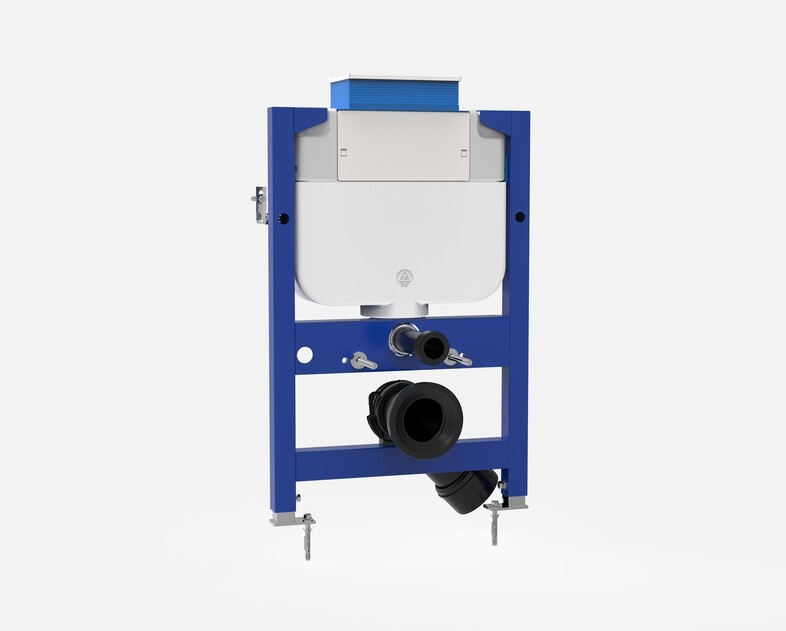
Let's talk about something that's probably been lurking in the back of your mind, maybe after a minor plumbing wobble or a curious peek behind the wall. We're diving into the slightly mysterious world of the concealed toilet cistern. Now, before you start picturing yourself as a plumbing detective in a trench coat, let's make this as easy-breezy as a Sunday morning stroll.
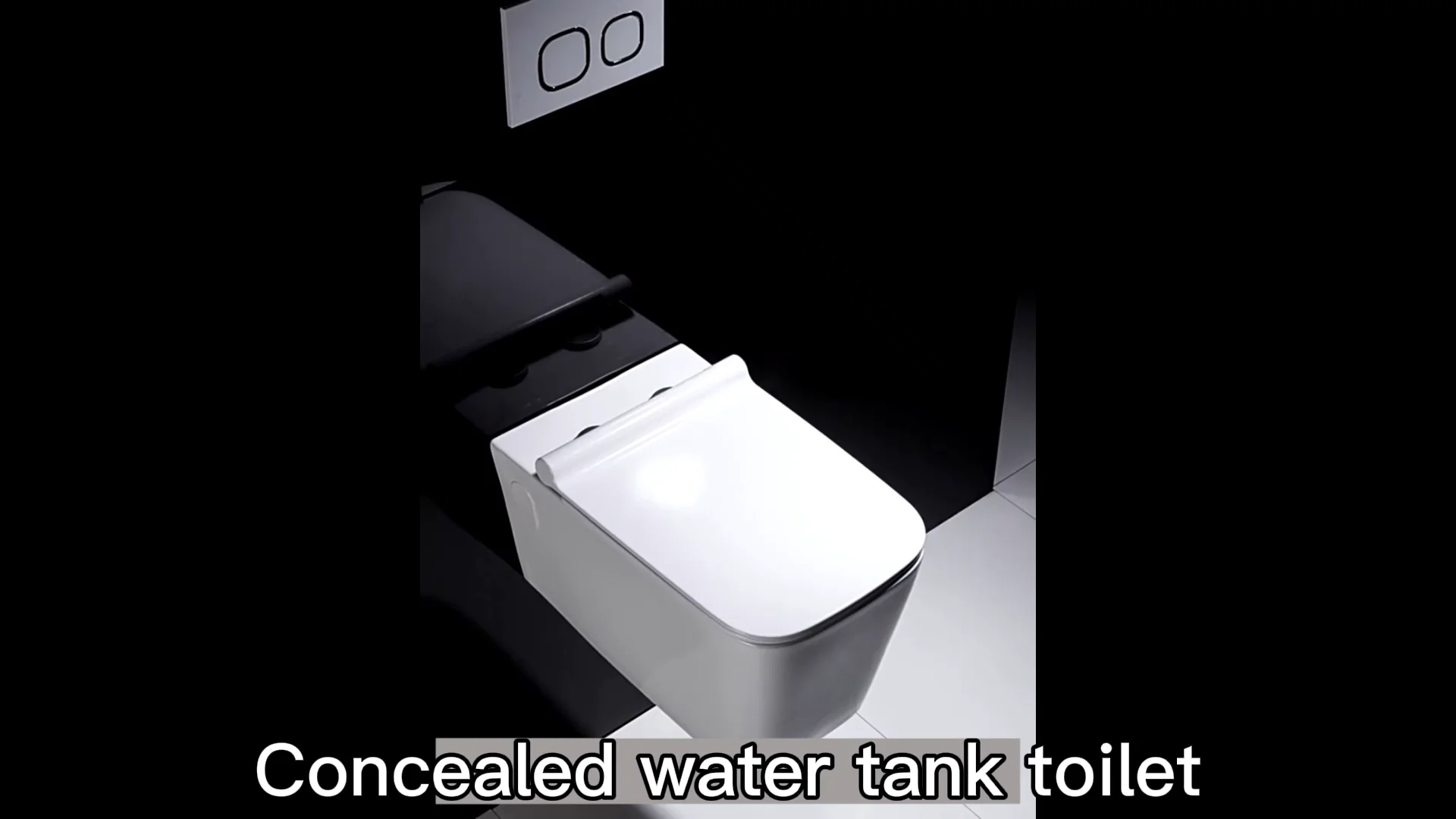
Think of your hidden cistern like a ninja. It's there, doing its crucial job of holding all that flushing magic, but it’s all tucked away, out of sight. And that's the beauty of it, right? It’s all about that sleek, minimalist look in our bathrooms. No clunky plastic boxes staring back at us, just pure, unadulterated bathroom elegance. It's the kind of design choice that makes you feel a little bit fancy, even when you're just, well, you know.
But here's the thing: sometimes, even ninjas need a little access. Maybe the flush isn't quite as enthusiastic as it used to be, or perhaps you've noticed a subtle drip that's making your wallet sweat. Whatever the reason, you might find yourself wondering, "Okay, but how do I actually get to the guts of this thing?"
Must Read
Fear not, my friend! Accessing a concealed toilet cistern is far less daunting than it sounds. It's not like trying to disarm a bomb with a pair of tweezers. More like finding the secret compartment in your favorite childhood toy box. Remember that thrill?
The Big Reveal: Where is the Magic Button?
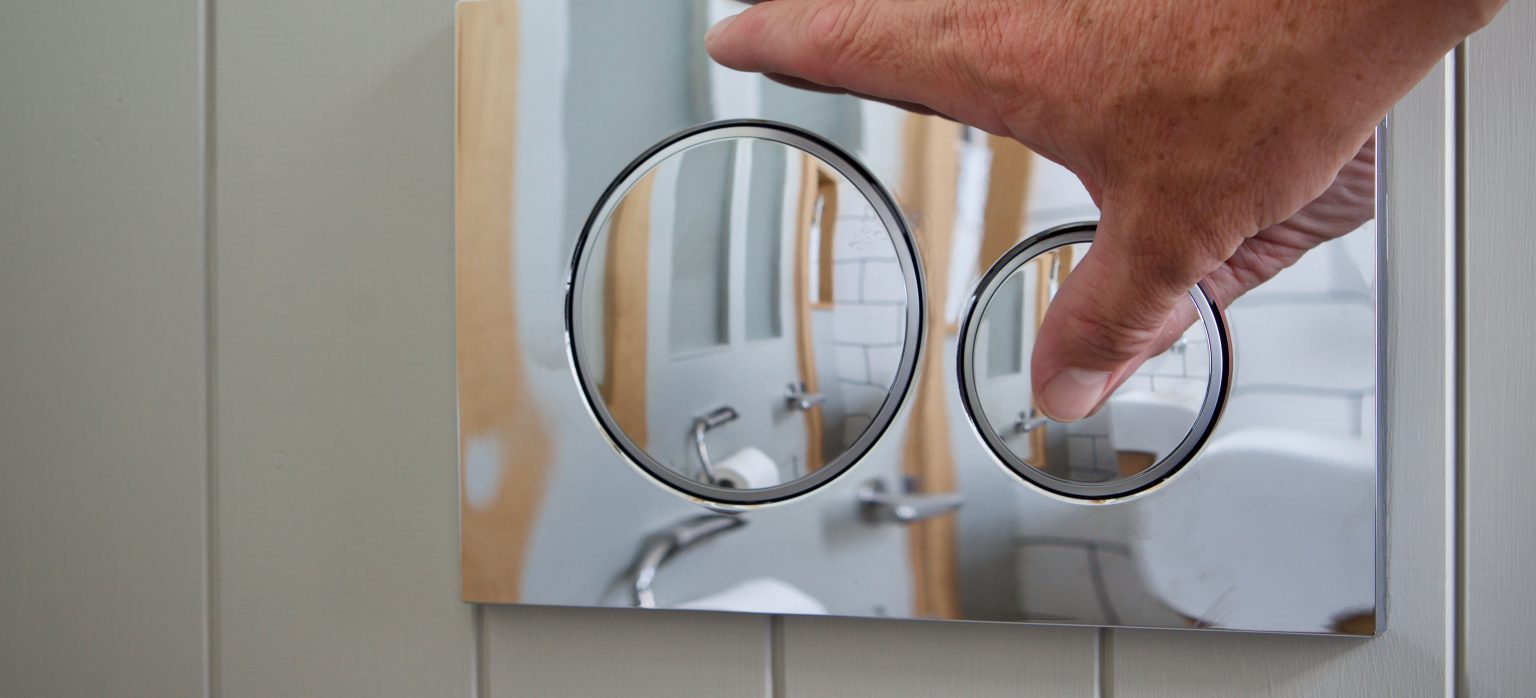
The most obvious way to access your cistern is usually through the flush plate. This is that sleek panel on the wall that you push to make your toilet do its thing. Think of it as the ceremonial gateway to the internal workings.
Most modern concealed cisterns have flush plates that are designed to be removable. They often clip into place. So, the first step is to identify how your particular flush plate works. Is it a single button, a dual flush (the one with the big and small circles, like a yin and yang symbol for water conservation!), or something a bit more designer-looking?
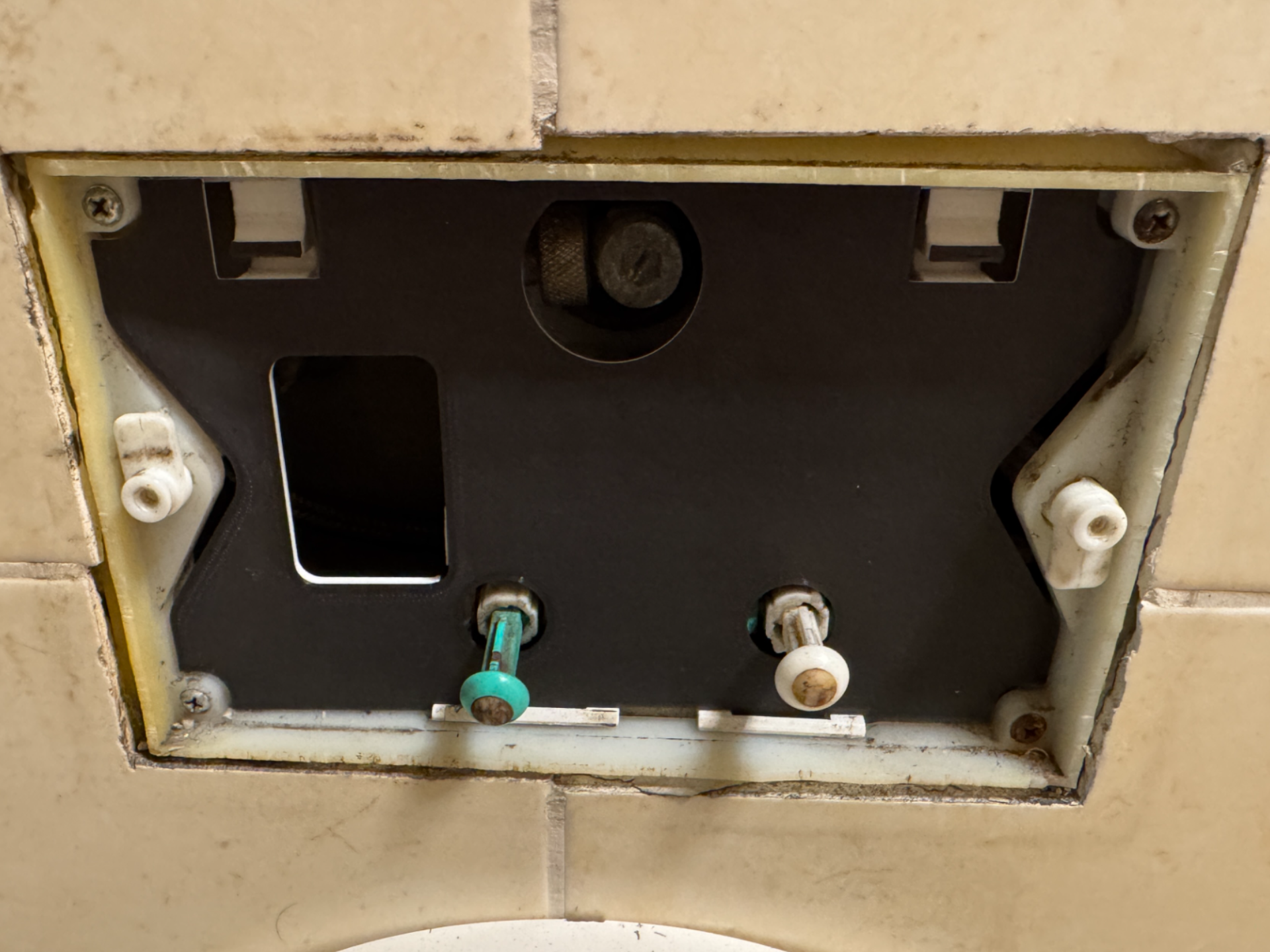
For many, it’s as simple as gently prying the plate away from the wall. You might need a flat-headed screwdriver or a putty knife. Imagine you're trying to lift a stubborn lid off a cookie jar – gentle persuasion is key!
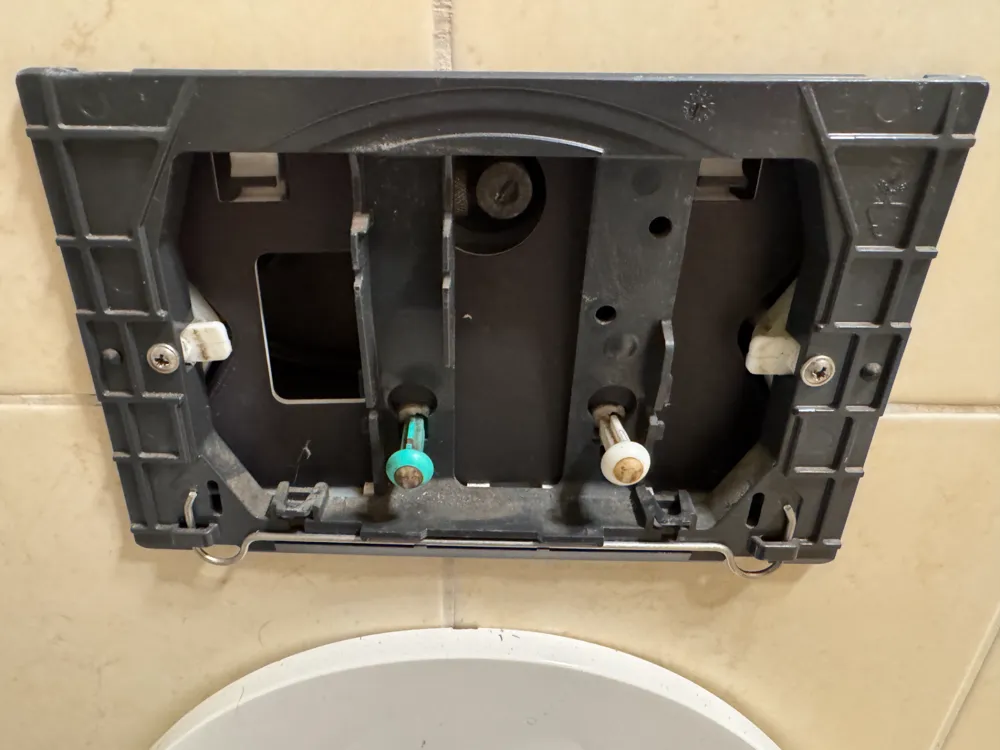
Some flush plates might have small screws, often hidden underneath or on the sides. These are usually quite discreet, so a good look around is your best bet. Once you’ve located and removed any screws, the plate should detach.
Story Time: The Accidental Access
I remember a friend of mine, let's call her Sarah, who was absolutely convinced her toilet was possessed. Every time she flushed, it made this weird gurgling noise, like a grumpy old man clearing his throat. She’d tried everything – wiggling the buttons, whispering sweet nothings to it, even leaving offerings of spare toilet paper. Nothing worked.
One day, in a moment of exasperation, she leaned against the wall a little too hard while reaching for the flush. Click! The flush plate popped out, revealing a small, but perfectly accessible, panel inside. Turns out, a tiny bit of debris had lodged itself in the flushing mechanism. A quick nudge with a stick (don’t judge!), and the gurgling monster was silenced. She felt like a plumbing superhero, all thanks to an accidental lean!
This is where the DIY spirit comes in! Even if you're not a natural handy-person, understanding these basic access points can save you time and money. It’s empowering, like finally figuring out how to fold a fitted sheet properly (okay, maybe not that empowering, but still!).
Beyond the Button: Other Access Points
What if the flush plate doesn't budge, or it’s not the right approach? Don't panic! There are other ways in.
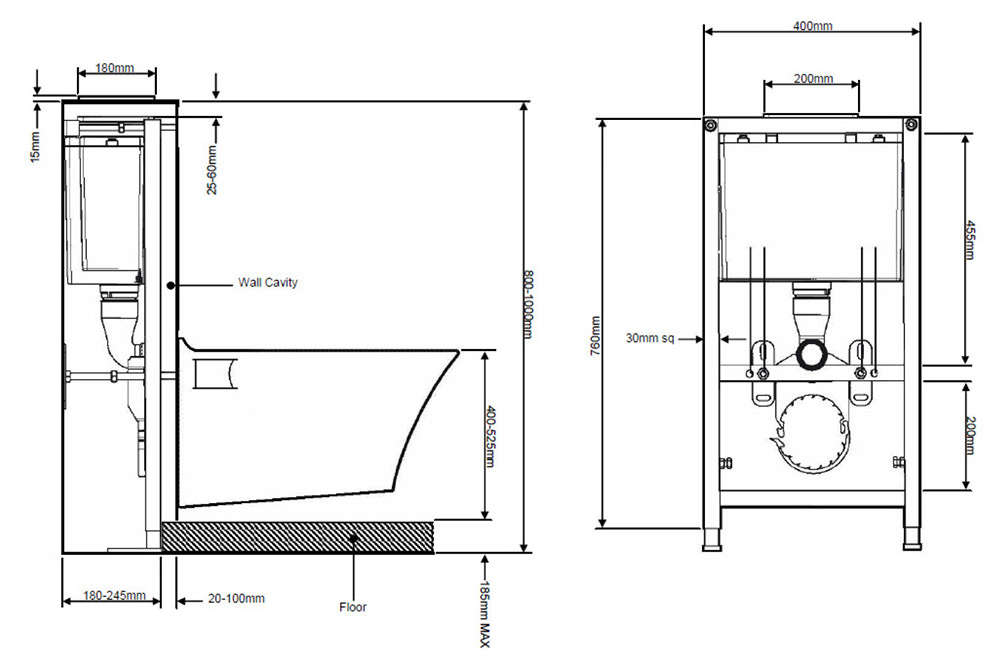
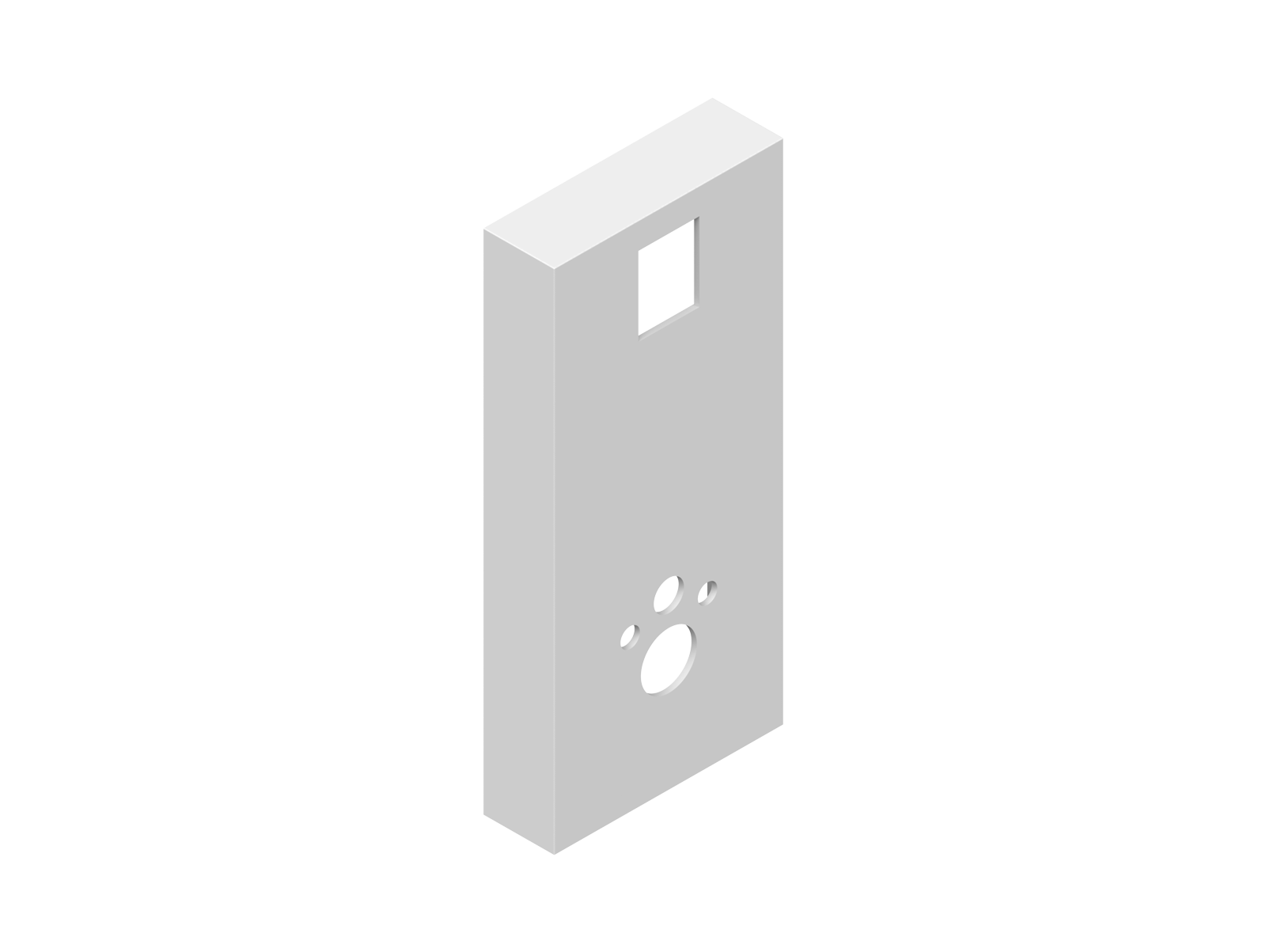
Many concealed cisterns are housed within a service duct or a false wall. This is common in more complex installations. The key here is to look for panels or access hatches. These are specifically designed to allow plumbers (or, you know, curious homeowners) to get to the cistern.
Think of them like the secret doors in a castle. They might look like just another part of the wall, but with a closer inspection, you’ll often find subtle outlines, small handles, or even screws that indicate where they are. Sometimes, they are cleverly disguised as part of the tiling or wall finish.
You might need to gently push or pull on these panels. Again, gentle persuasion is your friend. If you're forcing it, you're probably doing it wrong! A little wiggle, a gentle lift, and voilà! You've found your way in.
Another less common, but still possible, access point could be from an adjacent room. If your bathroom wall backs onto a cupboard or another room, there might be an access panel there. This is less about the toilet itself and more about the housing structure.
Why Should You Even Care?
So, why all this fuss about accessing a hidden box? It's simple: peace of mind and potential savings.
Imagine this: your toilet starts acting up. You ignore it. Then it gets worse. Soon, you’ve got a constant trickle, your water bill goes up like a rocket on launch day, and the little drip-drip-drip starts to sound like a drum solo at 3 am. Not ideal, right?
Being able to identify and access your cistern means you can sometimes spot and fix minor issues before they become major, expensive problems. It could be a simple adjustment, a quick tightening of a connection, or clearing a small obstruction. These are often things a handy person can tackle without needing to call out a plumber for a call-out fee that’s as high as the cistern itself.
It’s also about maintenance. Just like your car needs its oil changed, your plumbing deserves a little TLC. Being able to get to the cistern allows for a quick check-up. Is everything looking… healthy? Are there any signs of wear and tear? Early detection is often the best cure.
And let's not forget the sheer satisfaction of knowing how things work. It’s like unlocking a little bit of knowledge that makes you feel more in control. You're no longer at the mercy of a mysterious, silent box. You understand its secrets!
When to Call in the Pros
Now, I'm all for a bit of DIY, but there's a time and a place. If you've tried accessing your cistern and you're genuinely stuck, or if you open it up and are greeted by a symphony of pipes and parts that look like a complex alien spaceship, it’s probably time to call a professional.
Plumbers have the tools, the knowledge, and the experience to deal with even the most stubborn or intricate systems. Trying to force something or tamper with it without knowing what you’re doing can lead to bigger, more costly problems. So, know your limits! There’s no shame in admitting defeat and handing over the reins to an expert.
In the end, accessing a concealed toilet cistern isn't about becoming a master plumber overnight. It's about understanding a common, albeit hidden, part of your home and knowing that a little curiosity and a few simple steps can go a long way in keeping your bathroom running smoothly and looking fabulous.