How Much To Feed A Dog Raw Diet

Let's talk doggos. Specifically, let's chat about what goes into their hungry little tummies. If you're dipping your toes into the world of raw feeding, or even just curious about it, you've probably landed on the million-dollar question: how much raw food should my dog actually eat? It's a common query, a real head-scratcher for many new raw feeders, and honestly, there’s no one-size-fits-all answer. Think of it less like a strict recipe from a Michelin-star chef and more like learning to cook your favorite comfort food – it’s about intuition, observation, and a little bit of delicious experimentation.
Gone are the days when feeding your furry best friend meant simply grabbing a bag of kibble. The modern pet parent is more informed, more engaged, and frankly, more invested in the holistic well-being of their canine companions. The raw food movement, while not new (think of our ancestors and their wolfy cousins!), has seen a resurgence, and it’s sparking conversations everywhere from the dog park to online forums. And at the heart of these conversations? The practicalities, chief among them being portion control.
So, let's break down this wonderfully wild world of raw feeding, and more importantly, how to get the quantities just right. No need to feel overwhelmed; we're going to navigate this together, with a cup of your favorite beverage in hand and a relaxed vibe. After all, happy dog, happy life, right?
Must Read
The Golden Rule(s) of Raw Portioning
Alright, let’s get down to brass tacks. The most commonly cited guideline for feeding a raw diet is to offer 2-3% of your dog's ideal adult body weight per day. This percentage is your starting point, your launchpad into the exciting universe of raw feeding. It’s a flexible range because, just like us, dogs have different metabolisms, activity levels, and even breeds that influence their dietary needs.
Let’s break that down with an example. If your furry friend is a medium-sized mutt who ideally weighs 50 pounds, you’d be looking at feeding them between 1 to 1.5 pounds of raw food per day (50 lbs * 0.02 = 1 lb; 50 lbs * 0.03 = 1.5 lbs).
Now, this percentage is usually split into two meals per day, but some owners opt for one larger meal, especially for adult dogs. Puppies, on the other hand, generally need more frequent meals to support their rapid growth. Think of it as fueling a tiny, adorable engine that’s constantly revving!
Factors That Influence Your Dog's Daily Intake
As we touched on, that 2-3% is just a starting point. Several key factors will nudge that percentage up or down. It’s like adjusting the thermostat in your home – you’re looking for that perfect, comfortable temperature for your dog.
1. Age: The Puppy vs. The Senior Citizen
Puppies are little growth machines! They are constantly building bones, muscles, and brains, so they typically require a higher percentage of food, often closer to 5-10% of their current body weight. This can vary significantly depending on the breed and how quickly they are growing. It’s important to monitor their growth and adjust accordingly. You don’t want a super-sized puppy overnight!
Senior dogs, much like us in our golden years, might have a slower metabolism and be less active. They might benefit from a slightly lower percentage, perhaps closer to the 1.5-2% mark. However, some seniors might have specific health conditions or muscle loss that requires careful attention to their protein intake. Always consult your vet if your senior has special dietary needs.
2. Activity Level: The Couch Potato vs. The Marathon Runner
This is a biggie! A dog who spends most of their day snoozing on the sofa will need significantly less fuel than a Border Collie who’s learning agility or a Labrador who loves long, brisk hikes. Think of it this way: Usain Bolt eats a lot more than someone who prefers a leisurely stroll. Your dog is no different!
For highly active dogs, you might find yourself leaning towards the higher end of the 2-3% range, or even slightly above, especially on days they have extra strenuous activity. For a more sedentary pup, the lower end of the spectrum is likely your sweet spot. Keep an eye on their waistline – we’ll get to that!
3. Metabolism and Breed Tendencies
Just like some humans are naturally blessed with a fast metabolism, some dog breeds are too. Sighthounds like Greyhounds or Whippets, for instance, often have a naturally leaner build and a faster metabolism. They might require a slightly higher percentage to maintain their condition.
On the flip side, breeds prone to weight gain, like Basset Hounds or Bulldogs, might need to be on the lower end of the percentage scale, or you might need to be extra vigilant about the types of protein and fat in their diet. It’s about understanding your dog’s inherent genetic predispositions.
4. Health and Reproductive Status
Pregnant or nursing dogs have astronomical energy demands! They are literally fueling the next generation. Their intake can increase dramatically, sometimes doubling or even tripling their normal consumption. This is a critical period where veterinary guidance is highly recommended to ensure both mother and pups are getting adequate nutrition.

Dogs with certain health conditions may also have specific dietary needs. For example, a dog recovering from illness might need more calories to rebuild strength, while a dog with a digestive issue might require a carefully balanced diet. Always, always, always work with your veterinarian when dealing with health concerns and diet changes.
The Art of Observation: Reading Your Dog's Body
Numbers are a great starting point, but the real magic happens when you learn to observe your dog. They are brilliant communicators, and their bodies tell us a lot. This is where the “easy-going” lifestyle aspect really shines. You’re not just spooning out food; you’re becoming a canine nutritionist and detective!
Think of yourself as a seasoned sommelier, assessing the bouquet and palate of a fine wine. You're doing the same for your dog's health, and their physique is your primary indicator.
The Rib Test: Your Canine Palpation Skill-Up
This is arguably the most important physical assessment tool in your raw feeding arsenal. When you run your hands gently over your dog’s rib cage, you should be able to feel their ribs without them being overly prominent. You shouldn’t have to press hard to find them, nor should they be sticking out like a coat rack.
If you can’t feel their ribs easily, your dog is likely carrying too much weight. This is a sign to decrease their food intake. If their ribs are very prominent and you can see them even when they’re standing still, they might be underweight and need a bit more food. It's a subtle art, but with practice, you'll become a pro!
Energy Levels and Stool Quality
Beyond the physique, pay attention to your dog’s overall demeanor. Are they energetic and playful, or lethargic and apathetic? A healthy, well-fed dog will typically have good energy levels appropriate for their age and breed. If they seem constantly tired, it might be a sign they aren't getting enough fuel, or the right kind of fuel.
And then there's the poop. Yes, we’re going there! The quality of your dog's stool is a fantastic indicator of how well their digestive system is handling the food. On a raw diet, you can expect firm, well-formed, and often smaller stools. They should have a relatively low odor. If your dog’s stools are consistently loose, watery, or excessively voluminous, it might signal an issue with their diet or digestion. Again, a quick chat with your vet can help troubleshoot.
Putting It All Together: A Practical Approach
So, how do you practically implement this? Start with that 2-3% guideline based on your dog’s ideal adult weight. Weigh your dog regularly to get an accurate current weight. Measure out their food precisely for the first week or two.
During that first week, be diligent. Observe their body condition daily. Check their energy levels. Note their stool quality. At the end of the week, assess. Are they looking a little too lean? Add a small amount (say, an extra ounce or two). Are they starting to look a bit chubby? Slightly reduce their intake.
It’s a continuous feedback loop. You're not setting it and forgetting it. You're engaged in an ongoing conversation with your dog about their nutritional needs. This is less about strict adherence to a number and more about fostering a deeper understanding of your dog’s unique requirements.
The “What” Matters Too: Balancing Your Raw Diet
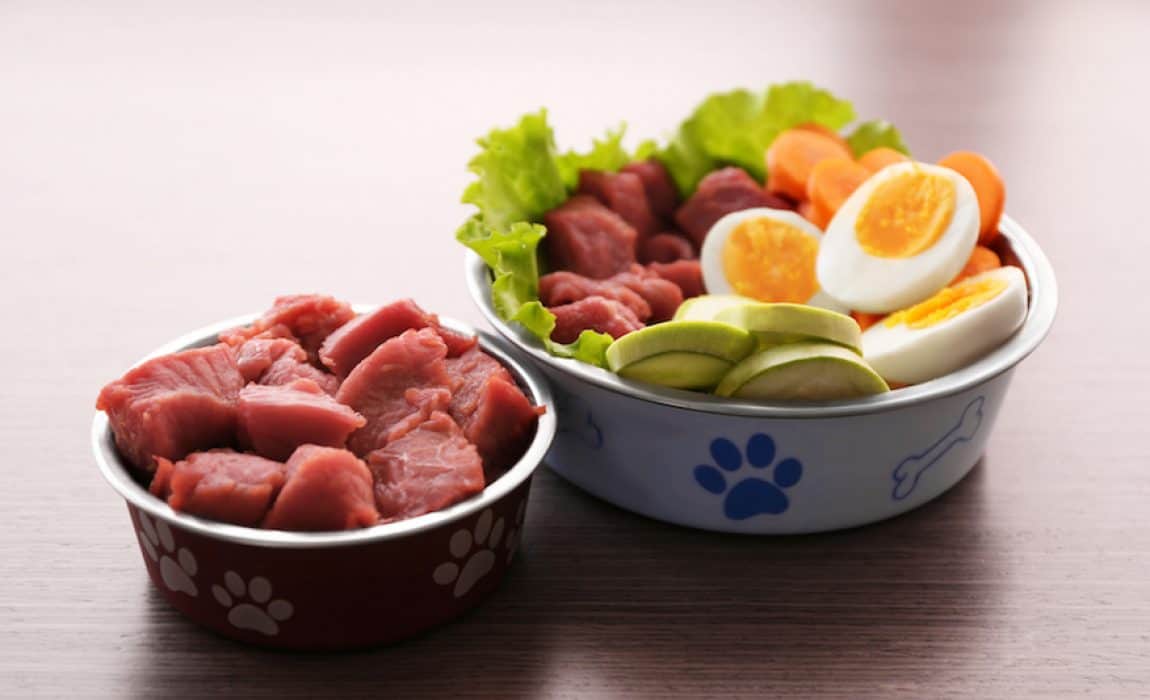
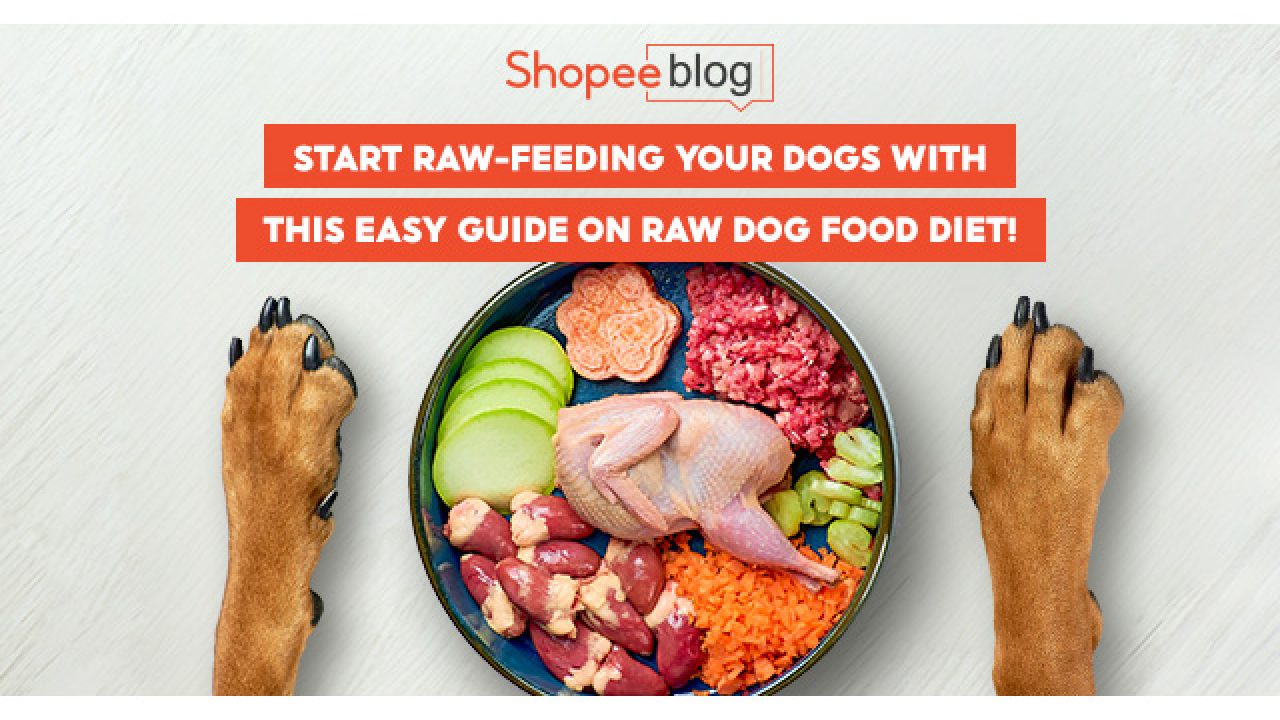
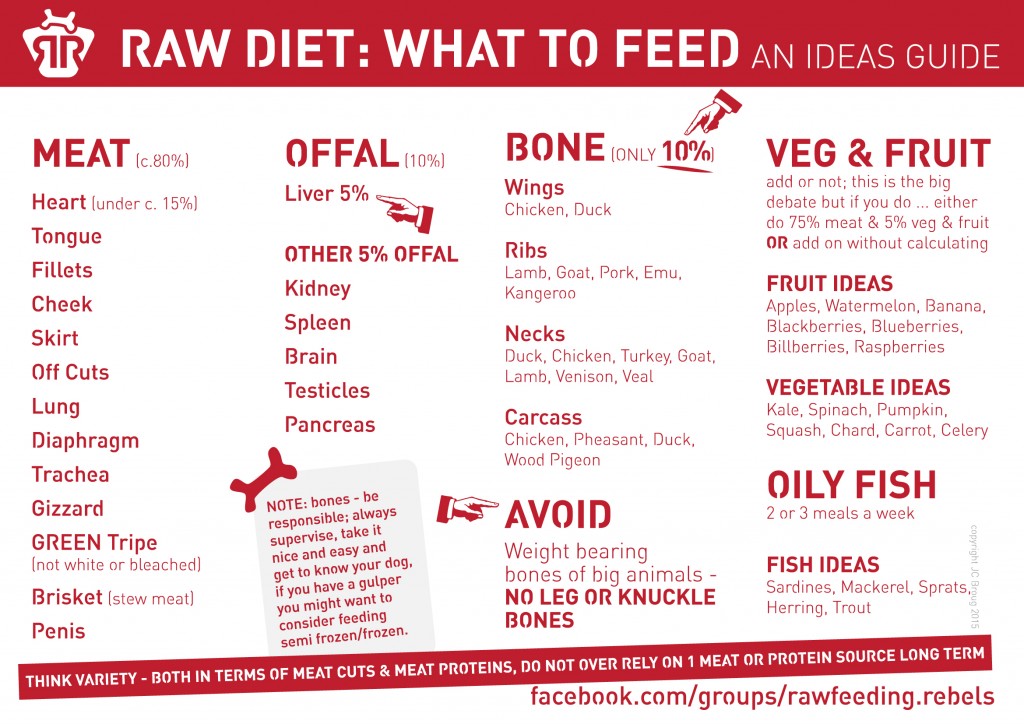
While this article focuses on “how much,” it’s crucial to remember that what you’re feeding matters immensely. A balanced raw diet typically includes muscle meat, organ meats, and raw, meaty bones. The proportions of these components are key to providing all the necessary nutrients.
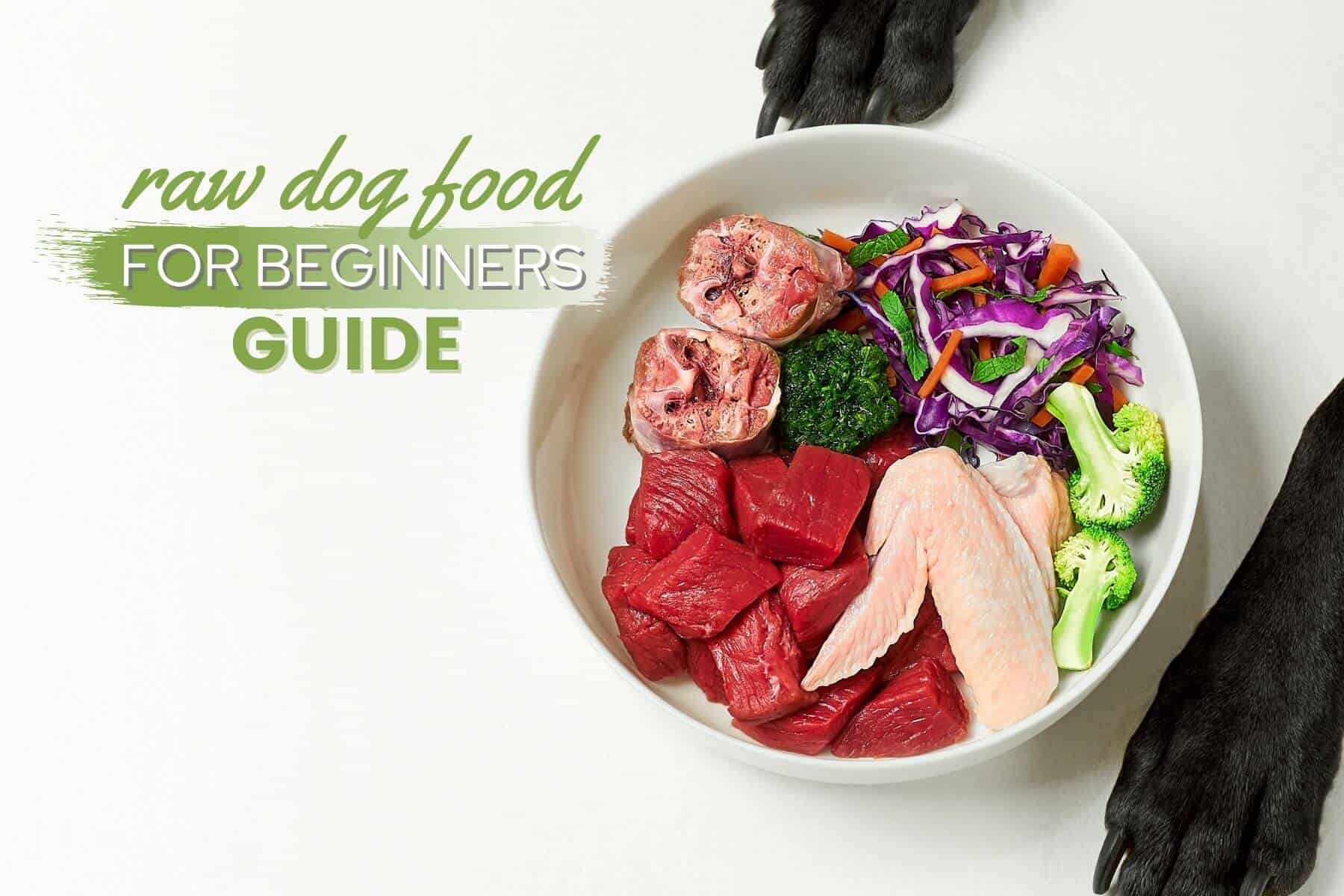
If you’re unsure about balancing, many reputable raw food companies offer pre-portioned and balanced meals. Alternatively, working with a veterinary nutritionist who is knowledgeable in raw feeding can provide peace of mind and ensure your dog is getting a complete and balanced diet. This isn’t just about feeding them; it’s about feeding them well, like you’d want the best for your own children.
Cultural Nuggets: A Whisper from the Wild
It’s fascinating to think about how our domesticated dogs are descendants of wolves, apex predators who subsisted entirely on raw prey. While our modern dogs live very different lives, their underlying physiology still craves that ancestral diet. This evolutionary connection is a powerful reminder of what their bodies are designed to process and thrive on. It’s like the universe is whispering ancestral wisdom through their DNA!
In many indigenous cultures, throughout history and even today, animals have been an integral part of the diet, often consumed in their raw or minimally processed forms. This holistic approach to nutrition, valuing the whole organism, resonates with the principles of raw feeding for our pets.
Fun Facts and Food for Thought
- Digestive Powerhouse: Dogs have evolved incredibly strong stomach acids (much more acidic than humans!) specifically designed to break down raw meat and kill harmful bacteria.
- The Tryptophan Connection: Raw meat is rich in tryptophan, an amino acid that can help dogs produce serotonin, often referred to as the "feel-good" hormone. This might contribute to a calmer, happier dog.
- Dental Benefits: Chewing on raw meaty bones can be a natural way to help keep your dog's teeth clean and gums healthy, potentially reducing the need for dental cleanings. Think of it as nature's toothbrush!
- It's Not Just Muscle Meat: A truly balanced raw diet requires organ meats (like liver and heart) and bone to provide essential vitamins, minerals, and calcium. The "whole prey" model is the ultimate goal.
Remember, the journey into raw feeding is often a process of learning and adaptation. Don't be afraid to adjust, observe, and seek guidance. It’s about finding what makes your dog thrive.
A Moment of Reflection
Thinking about how much to feed a dog can, at first glance, seem like a purely technical exercise. But as we’ve explored, it’s so much more than just numbers on a scale. It’s about tuning into a different kind of rhythm, a more primal, intuitive way of nourishing our companions. It’s about becoming a keen observer of their subtle cues, their body language, their energy, and yes, even their poop!
In our often-hectic modern lives, where we're constantly bombarded with information and schedules, taking the time to truly see our dogs, to understand their individual needs on a fundamental level, is a profound act of connection. It’s a reminder that even in the most domesticated relationships, there’s a wild, ancient wisdom at play. When we nourish our dogs with intention, carefully considering their diet and portion, we’re not just feeding their bodies; we’re nurturing their spirit, honoring their heritage, and deepening the bond that makes them such an irreplaceable part of our lives. It's a small, daily act of love that speaks volumes, a quiet testament to the extraordinary partnership we share with our four-legged family members.