How Much Hay To Feed A Horse
There's a certain magic that happens when you're around horses, isn't there? Whether you're a seasoned equestrian with your own barn full of equine athletes or just someone who enjoys a leisurely trail ride on a borrowed mount, the connection with these magnificent creatures is truly special. And a big part of that connection, and their well-being, boils down to something as fundamental as their diet. Today, we're diving into a topic that might sound simple, but is absolutely crucial for every horse owner: how much hay to feed your horse.
For many of us, feeding our horses is more than just a chore; it's a moment of care and connection. It’s about ensuring these powerful, sensitive animals have the energy and nutrients they need to perform, whether that’s carrying us on a peaceful countryside trek, competing in a demanding sport, or simply enjoying their paddock time. The purpose of a proper hay diet is straightforward: to provide the bulk of a horse's nutritional needs. Hay is the cornerstone of their digestive system, mimicking their natural grazing habits and keeping their gut healthy and happy. A well-fed horse is a healthy horse, meaning fewer vet bills and more enjoyable times together.
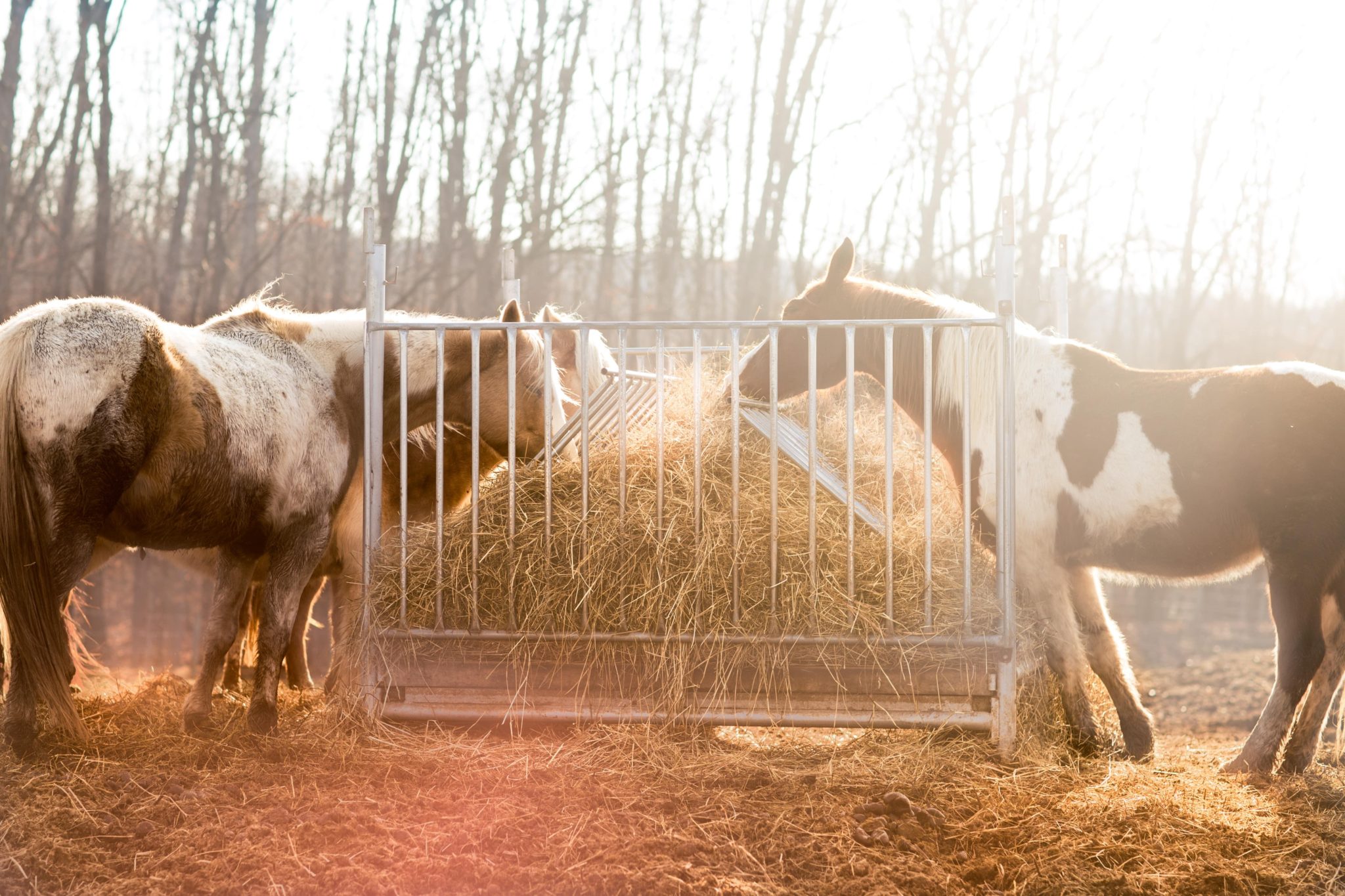
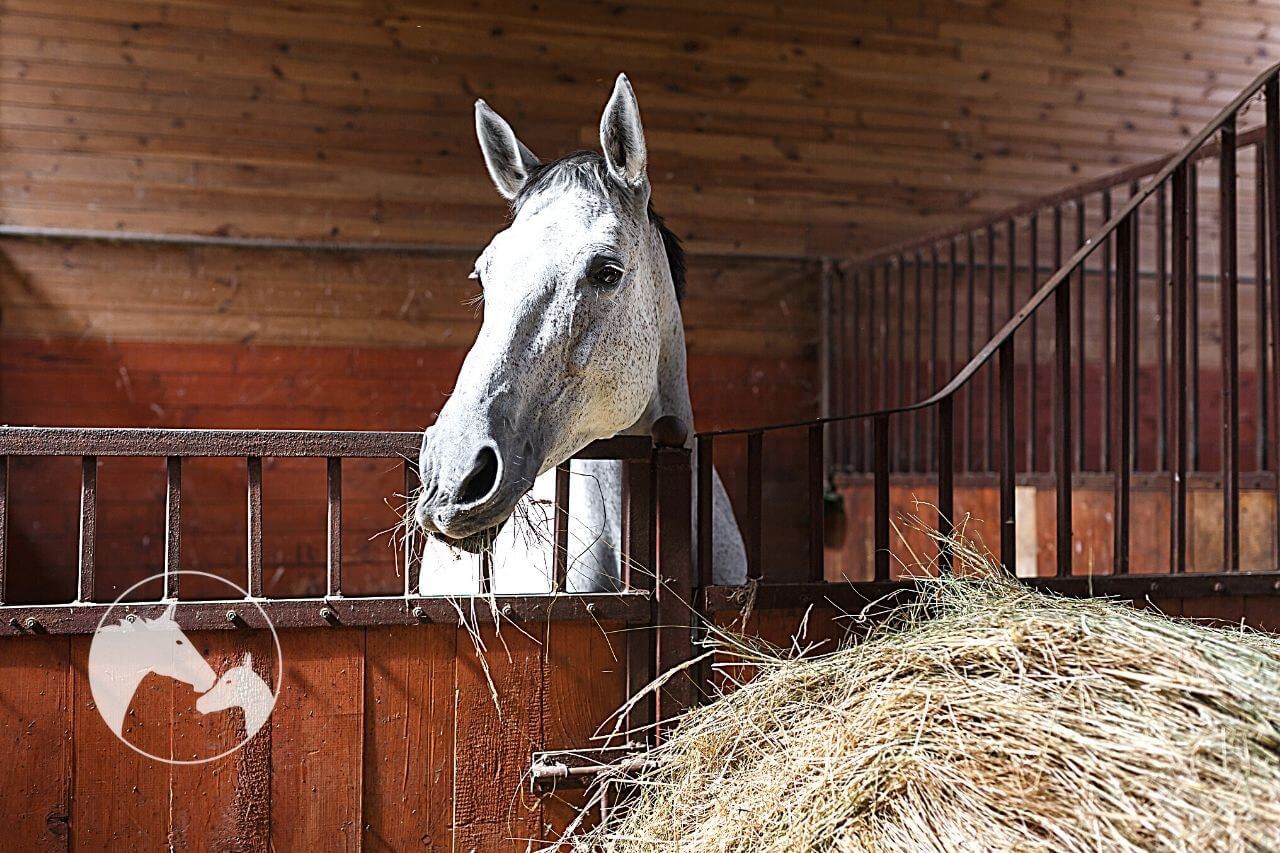
You'll commonly see hay fed in various forms: fluffy bales stacked in stables, neatly rolled round bales left in the pasture, or even in specialized slow feeders that mimic continuous grazing. The type of hay itself can vary too – from nutrient-rich alfalfa to more common timothy or orchard grass. The amount you feed, however, is the key. A general rule of thumb that many experts and experienced horsemen swear by is to feed 1.5% to 2% of your horse's body weight in forage per day. This might sound like a lot, but remember, horses are designed to eat almost constantly!
Must Read
So, how do you put this into practice? First, you need to know your horse’s approximate weight. A livestock scale is the most accurate, but you can also use weight tapes. For example, a 1000-pound horse would ideally consume between 15 to 20 pounds of hay daily. It’s also important to consider your horse’s lifestyle. A performance horse working hard will need more calories than a pasture ornament. Likewise, a senior horse or one with specific health conditions might require a different feeding plan. Always consult with your veterinarian or a qualified equine nutritionist if you’re unsure about your horse’s individual needs.
To make feeding more enjoyable and effective, consider investing in a hay net or a slow feeder. These aren't just for keeping a tidy stable; they can significantly benefit your horse’s digestion by slowing down their consumption, which is much more natural for them and can help prevent issues like colic. Observing your horse’s condition – are they gaining or losing weight? – is also a vital part of the process. Adjusting the hay amount incrementally based on these observations and your horse's energy levels will help you achieve that perfect balance. Feeding your horse is an act of love, and understanding their dietary needs is a fundamental way to show it.
![How Much Hay to Feed Your Horse [Feeding Guide] | Mad Barn](https://madbarn.com/wp-content/uploads/2022/11/How-Much-Hay-to-Feed-Your-Horse.jpg)