How Many Eggs Can A Chicken Lay

Ah, the humble chicken. We see them strutting around, pecking at the ground, and sometimes, if we're lucky, we find a warm, brown treasure tucked away in a nesting box. But have you ever stopped to wonder, just how many of these little marvels can a chicken actually produce? It’s a question that sparks curiosity, a peek behind the curtain of our feathered friends' daily lives, and let me tell you, it’s a story with a few delightful twists and turns.
Now, before you picture a chicken frantically laying eggs like a tiny, feathered assembly line, let’s set the record straight. A chicken doesn’t just decide to lay an egg whenever the mood strikes. It’s a natural, biological process, a symphony of hormones and biology that’s been perfected over centuries. Think of it less as a demand-and-supply situation and more as a well-oiled, albeit feathery, machine.
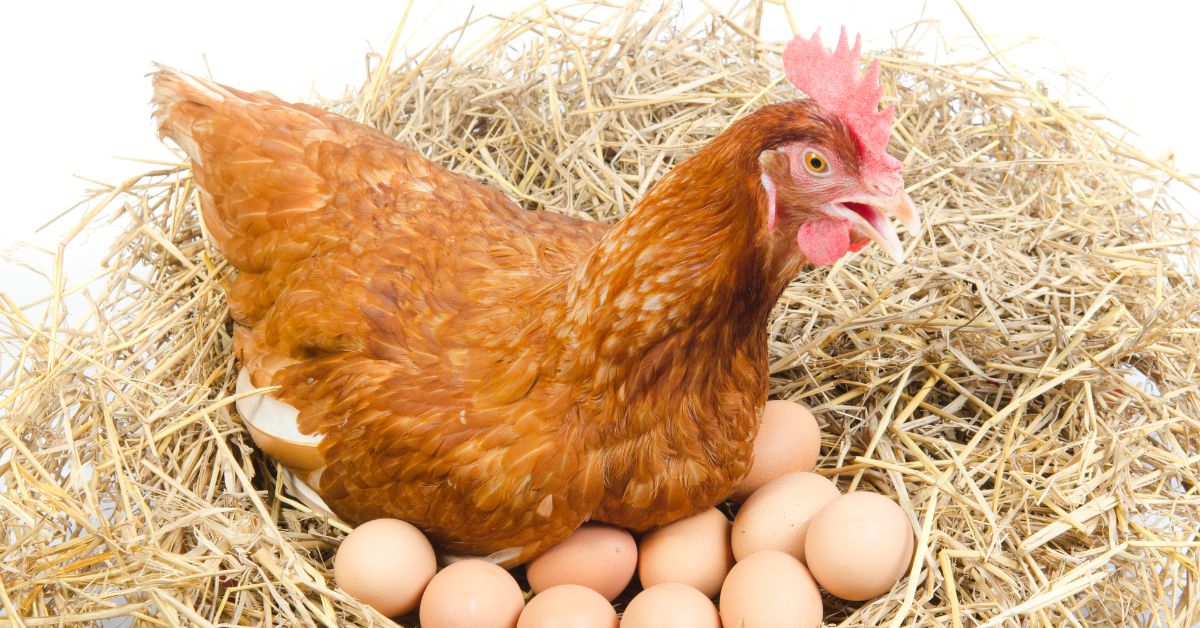
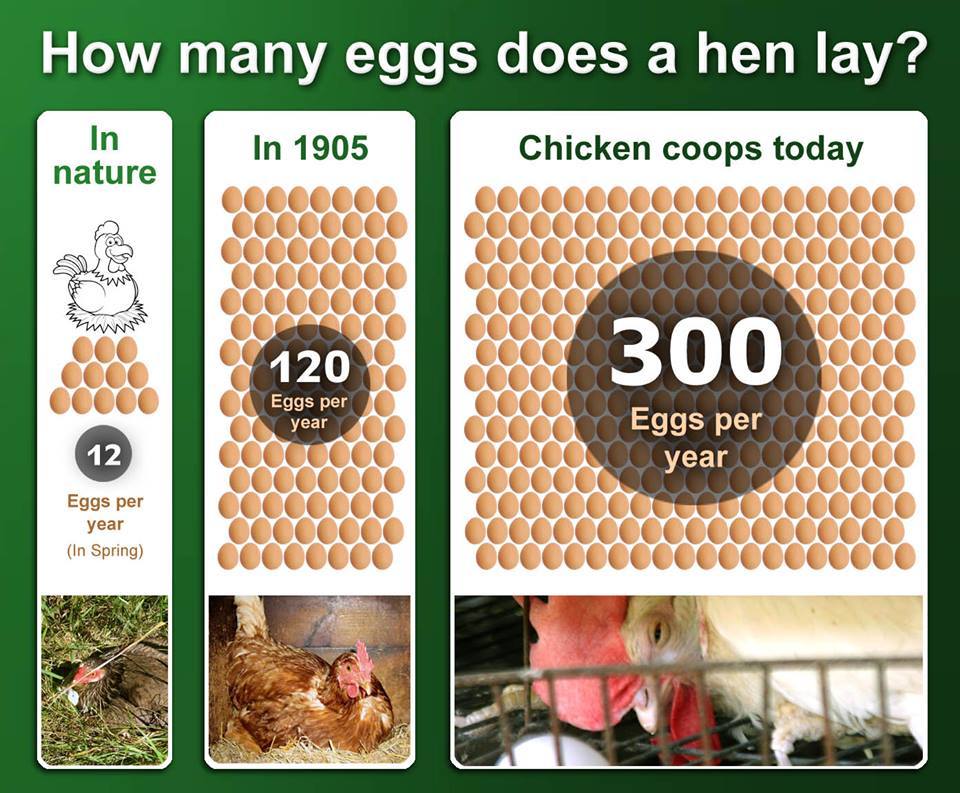
So, the burning question: how many? Well, it’s not a simple “one and done” situation. A healthy, happy hen, when she’s in her prime egg-laying years, can churn out an egg almost every single day. Yes, you read that right. Almost! This usually means anywhere from 4 to 6 eggs a week. Imagine that! That’s a lot of breakfasts, a lot of cakes, and a lot of scrambled eggs for a single bird.
Must Read
The Golden Age of Egg Laying
The peak egg-laying period for most hens is typically between their 6 months and 2 years of age. During this time, they are at their most energetic and their bodies are perfectly tuned for consistent production. They’re like the rockstars of the coop, hitting all the high notes of egg-laying fame. After this golden period, their production will gradually start to slow down. It’s like any artist; they have their most prolific phase, and then they might ease into a more mature, perhaps less frequent, but still valuable, creative output.
But here’s where it gets really interesting. This “almost every day” isn’t an exact science. Sometimes a hen might skip a day. Why? Well, there are a few reasons, and they’re quite relatable, actually. Stress can play a big role. If there’s a new rooster strutting around, a predator lurking nearby, or even just a change in their routine, it can throw their egg-laying schedule off. It’s like us needing a little “me time” when things get overwhelming.
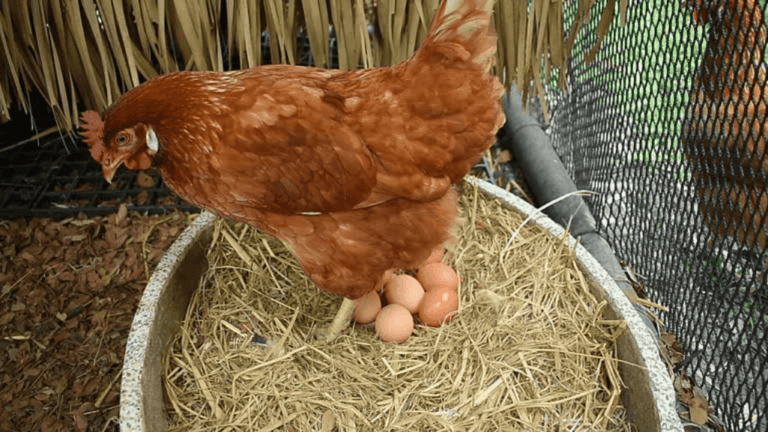
Think of it this way: if you’re feeling a bit under the weather or had a rough day at work, you probably aren’t at your most productive. Chickens are much the same!
Then there’s molting. This is a natural process where chickens shed their old feathers and grow new ones. It’s a bit like a wardrobe refresh! During this time, which usually happens once a year in the fall, their bodies are busy with feather growth, and egg production takes a backseat. So, if your egg basket suddenly feels a bit lighter in the autumn, don’t panic. Your hens are just getting ready for their stylish winter coats.

Beyond the Daily Grind: Factors That Influence Laying
It’s not just about age and stress. Plenty of other things can influence how many eggs a chicken lays:
- Breed: Just like different dogs have different temperaments and purposes, so do chickens! Some breeds are specifically bred for high egg production. Think of the Leghorns or the Rhode Island Reds – these are like the marathon runners of the egg world, built for endurance and consistent output. Other breeds might be more focused on meat production or just being a lovely backyard companion, and their egg-laying numbers will be lower.
- Diet: A well-balanced diet is crucial. Chickens need the right mix of protein, calcium, and other nutrients to produce those strong, beautiful shells. A good quality layer feed is like giving them a healthy, balanced meal plan. Think of it as their superfood! Light: Believe it or not, daylight hours play a significant role. Shorter days in winter can signal to a hen that it’s time to rest, and egg production often slows down. That’s why sometimes backyard chicken keepers will provide extra light in their coop during the darker months to keep production going, though it’s important to do this responsibly.
- Health: A sick chicken, just like a sick person, isn't going to be at their best. Keeping your flock healthy and free from parasites is key to ensuring they can do what they do best.
The Heartwarming Side of the Coop
Beyond the numbers, there’s something truly special about a chicken’s egg-laying journey. It’s a reminder of nature’s incredible ability to provide. Each egg is a little miracle, a testament to the hen’s vitality. And when you collect those eggs, warm from the nest, there’s a quiet satisfaction, a connection to the earth and the simple rhythm of life.
So, the next time you enjoy an omelet or bake a cake, take a moment to appreciate the hard work of those feathered friends. They might not be laying hundreds of eggs a day, but the consistent rhythm, the biological marvel, and the sheer dedication of a hen in her prime is something truly remarkable. It's a story that’s both practical and a little bit magical, all wrapped up in a shell.