How Fast Do A Cruise Ship Go
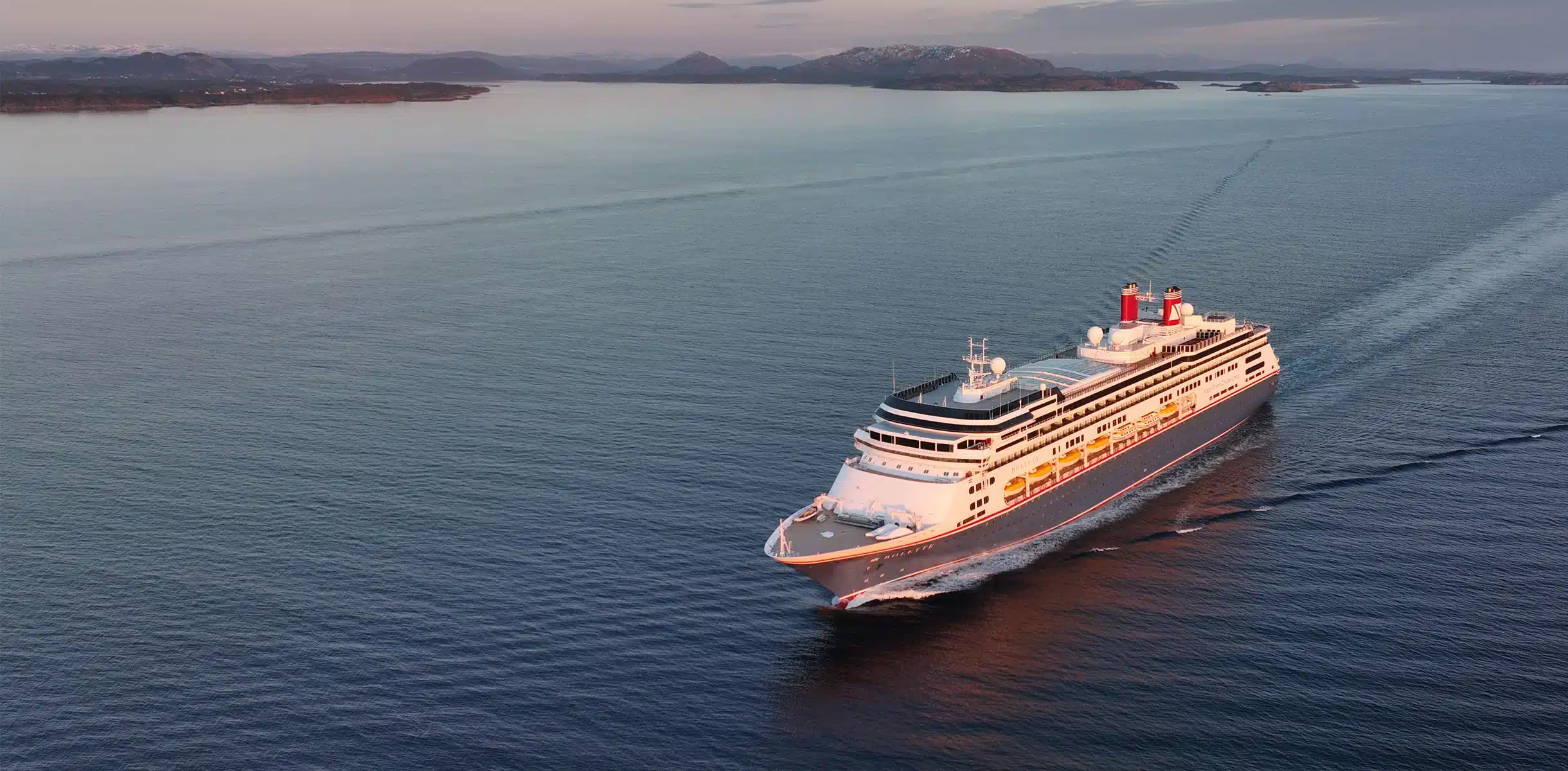
Ah, the cruise ship. That magnificent floating city that promises sun-drenched decks, endless buffets, and the sweet, sweet escape from the everyday grind. We’ve all seen them, majestic behemoths gliding across the horizon, sparking daydreams of tropical breezes and exotic locales. But have you ever stopped to wonder, amidst the clinking of cocktail glasses and the gentle hum of the engines, just how fast these floating palaces actually move?
It’s a question that often surfaces, usually when you’re leaning against the railing, squinting at a distant island, or perhaps while pondering the sheer logistics of getting all that delicious food from the galley to your table. The answer, as with many things in life, isn’t a simple, one-size-fits-all number. It’s more of a… well, a coastal cruise vibe versus a transatlantic dash kind of thing.
The Need for Speed (Or Lack Thereof)
Let’s get down to brass tacks. Most modern cruise ships operate at a comfortable, leisurely pace. Think of it less like a Formula 1 race and more like a relaxed Sunday drive. The typical cruising speed for a large cruise ship is somewhere in the ballpark of 18 to 22 knots. Now, if you’re not a mariner, that might sound like an abstract measurement. A knot is essentially one nautical mile per hour. So, if our cruise ship is chugging along at 20 knots, that’s about 23 miles per hour or roughly 37 kilometers per hour.
Must Read
This speed is a carefully calibrated balance. It’s fast enough to get you to your next destination within a reasonable timeframe, allowing for plenty of sea days to soak up the sun and enjoy the onboard amenities. But it’s not so fast that it becomes uncomfortable for passengers, or overly taxing on the ship’s engines and fuel consumption. It’s that perfect sweet spot that embodies the essence of a cruise: relaxation and discovery.
Why Not Go Faster? The Practicalities of Ponderosa.
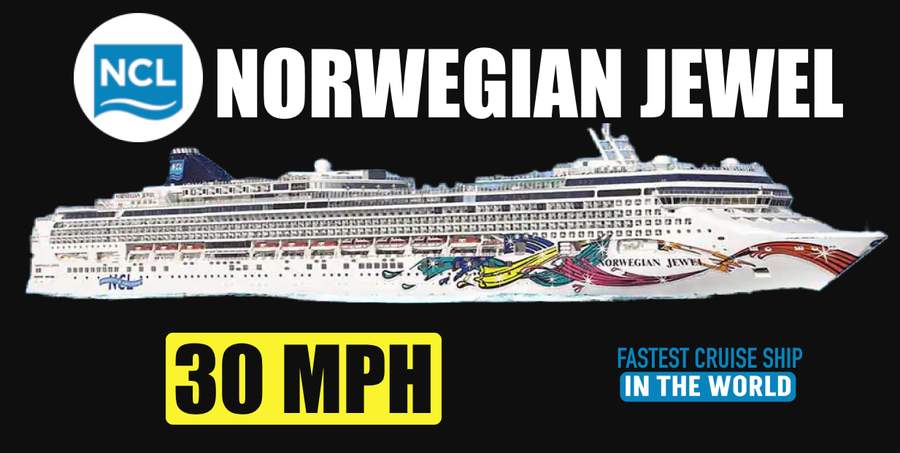
You might be thinking, “But these are massive ships! Surely they could go faster if they wanted to?” And yes, technically, they could. Many cruise ships have a maximum speed, often referred to as their “flank speed,” which can be significantly higher, sometimes reaching up to 25-30 knots. However, running a ship at its maximum speed is like driving your car everywhere at 100 mph – it’s not sustainable, it’s expensive, and frankly, a bit chaotic.
Several factors influence why cruise ships stick to their more sedate speeds:
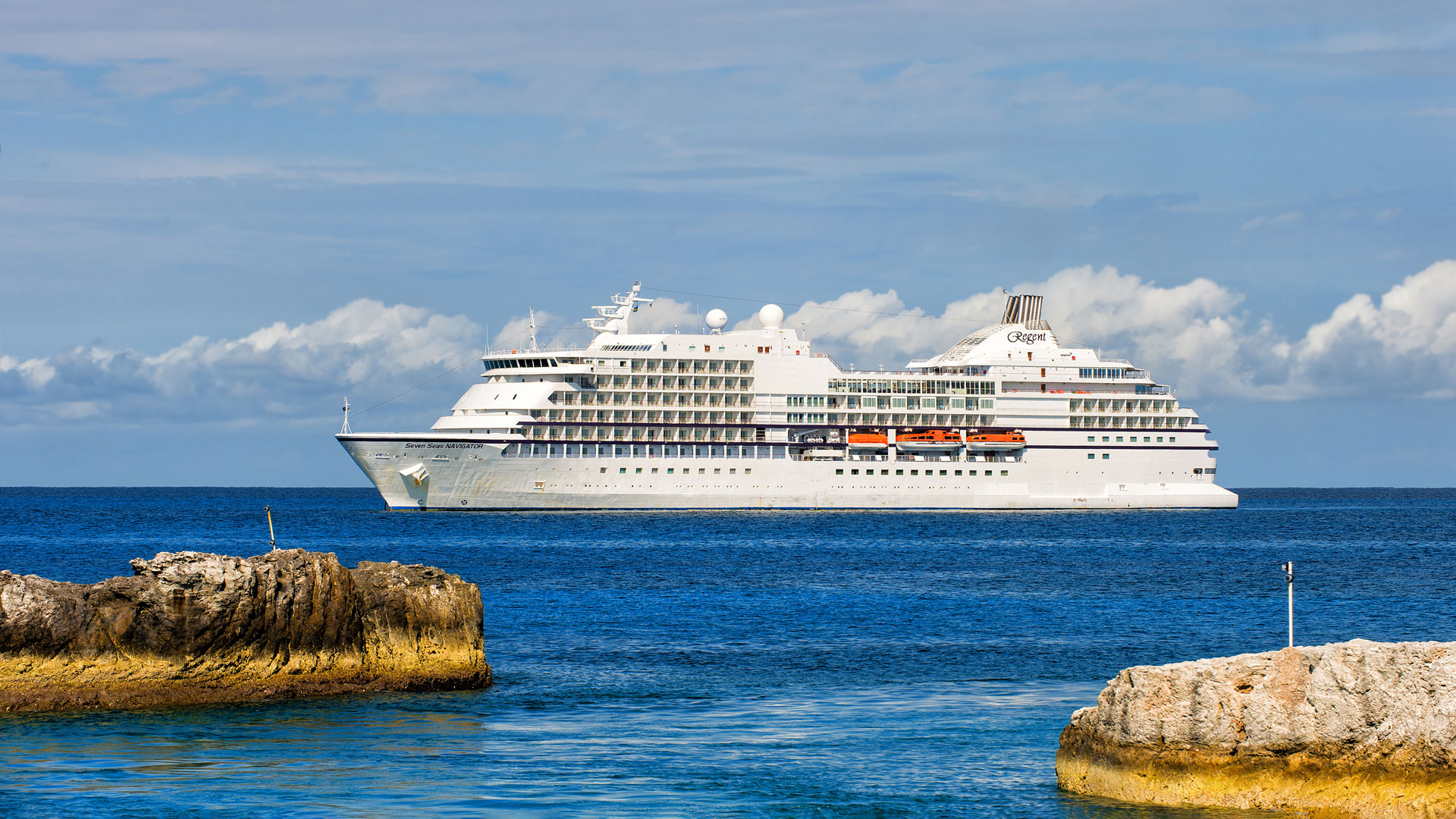
- Fuel Efficiency: This is a big one. The faster a ship goes, the exponentially more fuel it consumes. Cruise lines are businesses, and managing operating costs is crucial. Burning less fuel means happier shareholders and, potentially, more affordable fares for us passengers. It’s a win-win!
- Passenger Comfort: Imagine trying to enjoy a fancy dinner or a Broadway-style show while your ship is pitching and rolling like a rollercoaster. Higher speeds can lead to increased motion, making the journey less pleasant. The slower, steadier pace ensures that your margarita stays mostly in the glass.
- Wear and Tear: Pushing a massive vessel to its limits puts a tremendous strain on its engines and hull. Just like your car needs regular maintenance, ships require it too. Running at a moderate speed reduces this stress, prolonging the ship’s lifespan and minimizing the need for costly repairs.
- Environmental Impact: In today’s world, environmental consciousness is paramount. Slower speeds translate to lower emissions, a factor that is increasingly important for both cruise lines and passengers alike. It’s about enjoying the beauty of our oceans responsibly.
- Itinerary Planning: Cruise itineraries are meticulously planned to include port calls, sea days, and travel time. The current speeds are designed to fit perfectly within these schedules. Rushing wouldn’t necessarily allow for more ports of call, as logistics like disembarkation and embarkation at each port take time regardless of the ship’s speed.
Think of it like this: if you’re driving to a charming little town a few hours away, you don’t floor it the whole way. You enjoy the scenery, maybe stop for a coffee, and arrive feeling refreshed, not frazzled. Cruise ships operate on a similar philosophy.
The Speed Varies: Different Ships, Different Strokes
It’s also important to remember that not all cruise ships are created equal, and their speeds can vary. Smaller, more intimate ships, like those designed for expedition cruising in sensitive areas like the Galapagos or Antarctica, might travel at even slower, more deliberate speeds to allow for wildlife viewing and minimal disturbance. Conversely, some of the faster, more modern ships, especially those designed for shorter, quicker itineraries, might lean towards the higher end of that 18-22 knot range.
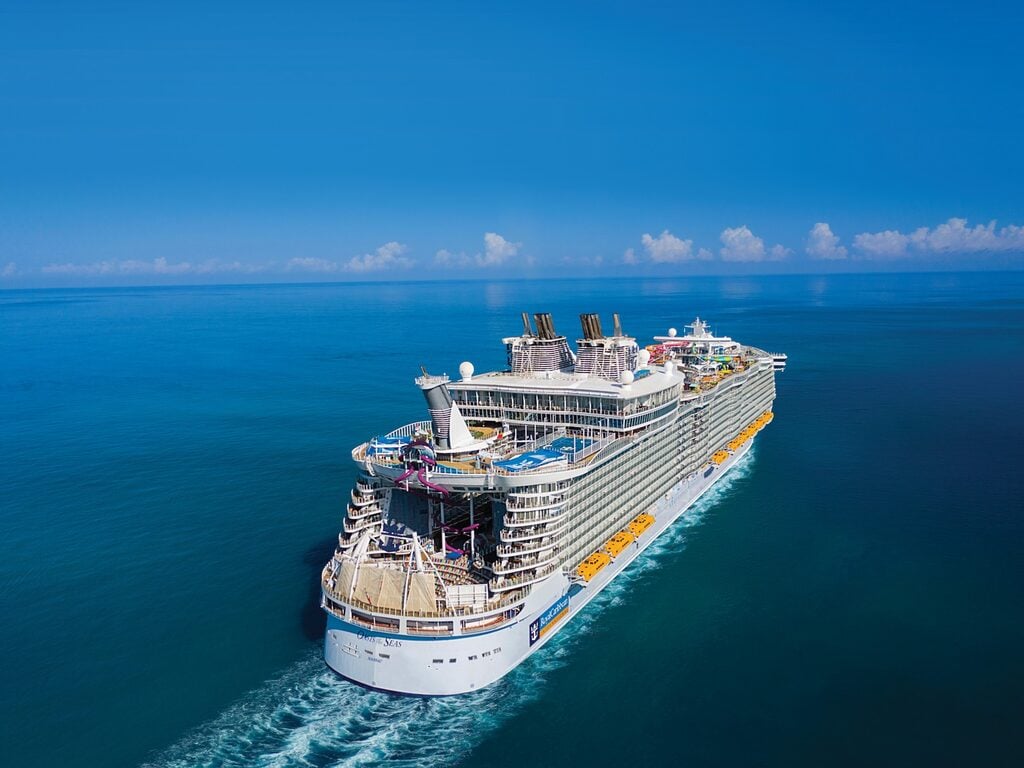
The size and design of the ship also play a role. A colossal ship like Royal Caribbean’s Icon of the Seas, with its sheer volume and multitude of onboard attractions, is built for a different kind of journey than a sleek, catamaran-style ferry. While the former might prioritize stability and passenger capacity, the latter might be designed for speed and agility in certain waters.
A Little Bit of History: From Sails to Steam to Serenity
It’s fascinating to think about how far we’ve come. Early ocean liners, like the legendary Titanic, were pushing the boundaries of speed in their era. The Titanic, for instance, was designed to be one of the fastest ships of its time, aiming for a service speed of around 21 knots. However, the focus was often on speed and luxury, with less emphasis on fuel efficiency or the kind of environmental considerations we have today.
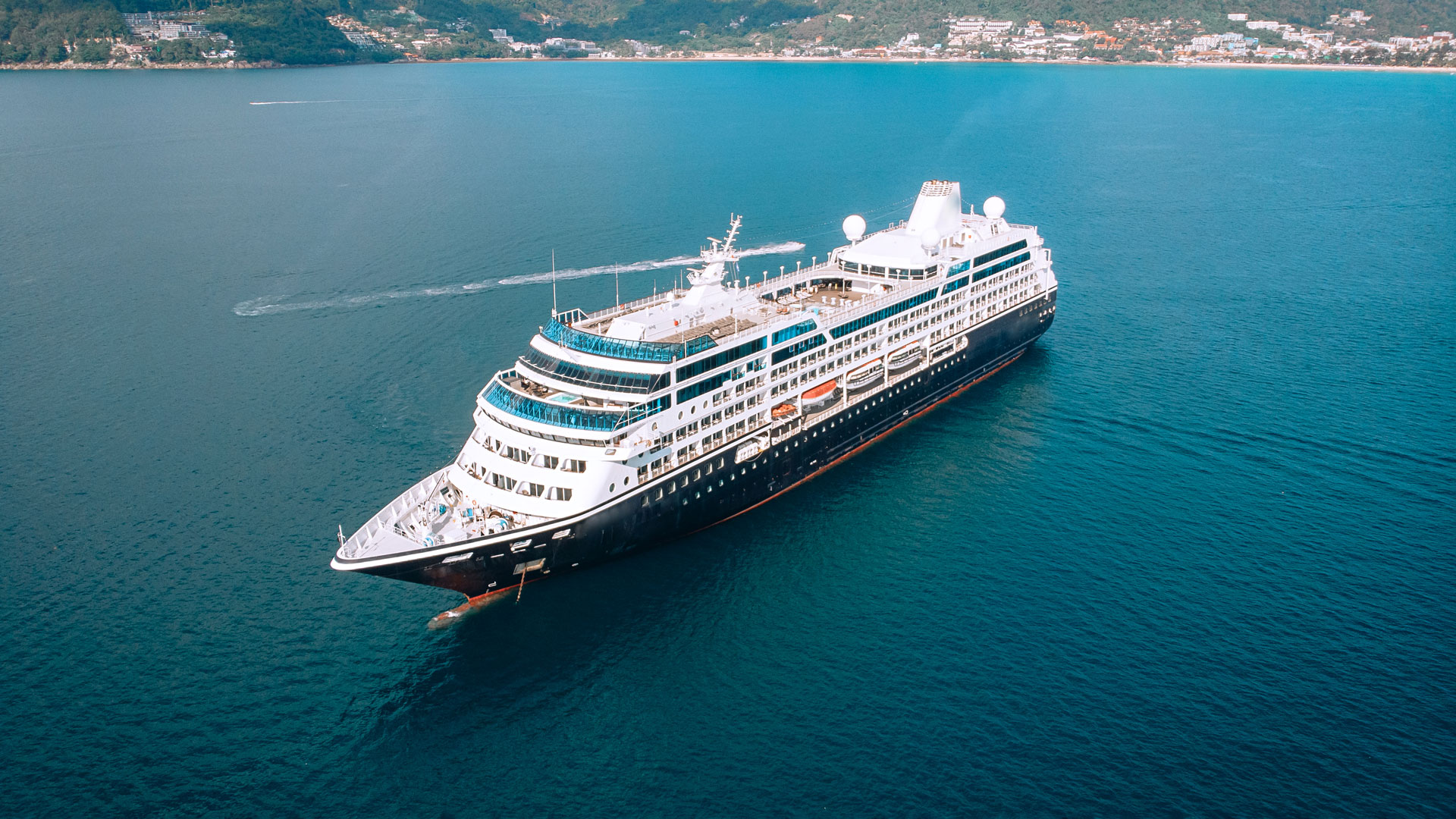
Fast forward to today, and the modern cruise ship is a marvel of engineering, prioritizing a holistic experience that blends efficient travel with unparalleled comfort and entertainment. The emphasis has shifted from simply getting there to truly enjoying the journey. It’s a testament to how our priorities and technological capabilities have evolved.
When Speed Becomes a Factor: Navigating the Waves
While the standard cruising speed is usually consistent, there are instances where a cruise ship might adjust its speed. For example, if a ship is running behind schedule due to unforeseen circumstances like weather delays or port congestion, it might increase its speed slightly to make up for lost time. This is usually a temporary measure and still within the ship’s operational capabilities.
Conversely, during particularly rough seas or storms, a captain might choose to slow the ship down to ensure passenger safety and comfort. The well-being of everyone on board is always the top priority. This is where the experience and judgment of the captain and crew truly shine.
The Art of the Itinerary: Where the Speed Takes You
The speed of a cruise ship is intrinsically linked to its itinerary. A transatlantic crossing might involve longer stretches at sea, allowing for a consistent, comfortable speed. A Caribbean itinerary, with its frequent stops at different islands, requires a pace that allows for efficient transitions between ports while maximizing time for exploration ashore.
Consider a 7-day Caribbean cruise. If you’re traveling between islands that are, say, 200 nautical miles apart, at 20 knots, that journey takes approximately 10 hours. This allows for most of the day to be spent enjoying the ship or the previous port, with the journey happening overnight or during a leisurely lunch. It’s all about that perfectly paced rhythm.
Fun Facts to Spark Conversation
Did you know that the engines on a large cruise ship can be as powerful as 60,000 to 100,000 horsepower? That’s enough to power a small city! And the sheer amount of fuel they consume is staggering – think thousands of gallons per hour. This is precisely why fuel efficiency is such a significant consideration.
Also, the term “knot” comes from a historical method of measuring a ship’s speed. Sailors would throw a rope with knots tied at regular intervals overboard, and count how many knots passed through their hands in a set amount of time. Ingenious, right?
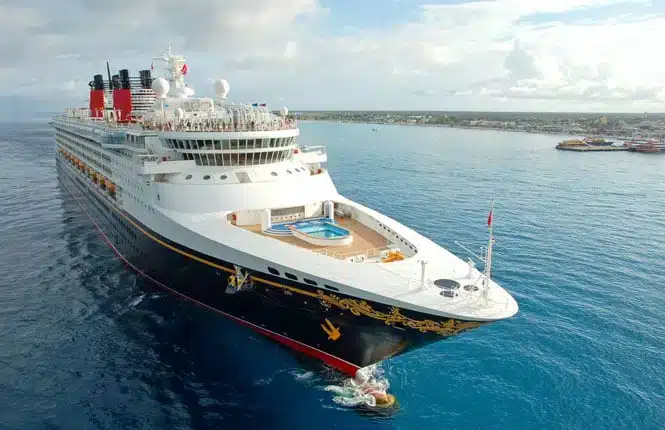
And on a lighter note, have you ever noticed how little you actually feel the ship moving most of the time? That’s a testament to the incredible engineering and stability systems on board, designed to provide that smooth, almost land-like experience, even when you’re miles out at sea.
Beyond the Knots: The Feeling of Freedom
Ultimately, the exact speed of a cruise ship is less important than the feeling it evokes. It’s the feeling of being swept away, of leaving behind the deadlines and the to-do lists, and embracing a slower, more intentional pace. It’s about the gentle rocking of the waves, the endless expanse of the ocean, and the promise of new horizons.
Whether it’s gliding at 18 knots or a slightly brisker 22, the journey itself is a crucial part of the cruise experience. It’s during these sea days, with the wind in your hair and the sun on your face, that the magic truly happens. It’s in these moments that we can truly disconnect and reconnect – with ourselves, with our loved ones, and with the sheer wonder of the world.
A Reflection for Everyday Life
Thinking about the leisurely pace of a cruise ship can actually offer a valuable perspective on our own daily lives. We often feel the pressure to constantly be speeding up, to be more productive, to cram more into each day. But perhaps, just like a cruise ship, we don’t always need to be at full throttle. Sometimes, embracing a slightly slower, more deliberate pace can lead to a richer, more enjoyable experience. It’s about finding that sweet spot between efficiency and enjoyment, between progress and presence. So, the next time you’re on a cruise, or even just dreaming of one, remember that sometimes, the most rewarding journeys are the ones taken at a comfortable, well-considered speed.