How Fast Can A Motor Scooter Go

Ever found yourself stuck in traffic, watching a nimble motor scooter zip by, and wondered, "How fast can that thing actually go?" It's a question that sparks a little bit of curiosity for many of us, conjuring images of sunny rides and effortless commutes. Scooters aren't just quirky modes of transport; they're a fun and practical way to navigate the urban jungle or simply enjoy a leisurely cruise. Whether you're a complete beginner looking for an easy way to get around, a family seeking a novel recreational activity, or a hobbyist drawn to the charm of two-wheeled freedom, understanding their capabilities is key.
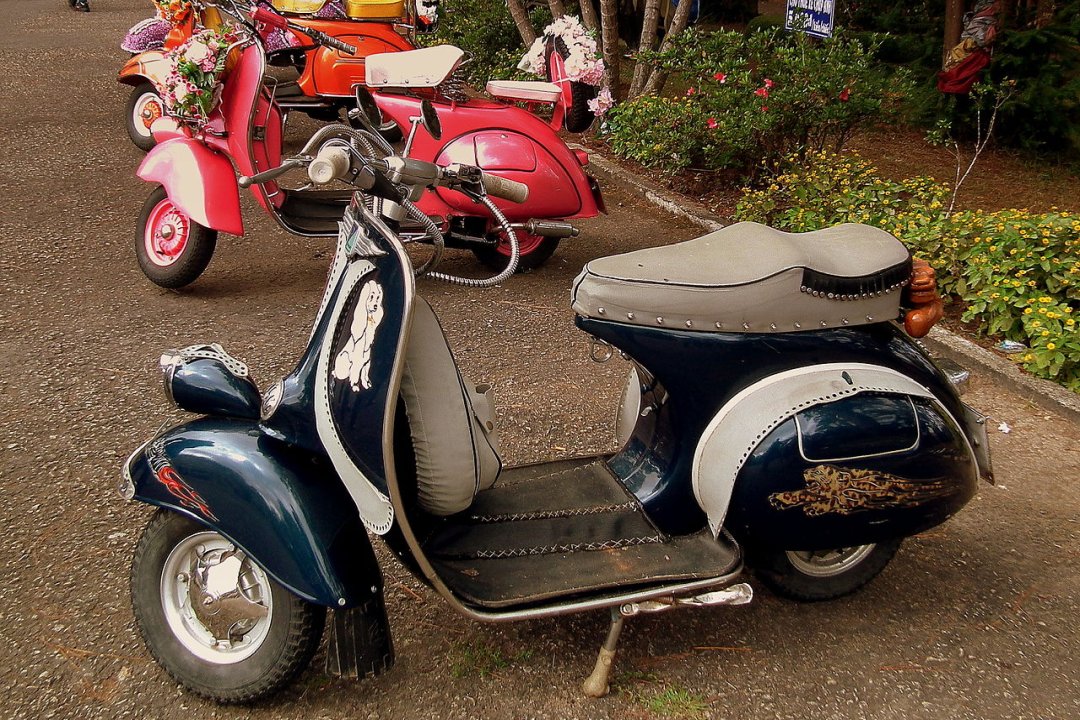
For beginners, the appeal of a motor scooter often lies in its simplicity and accessibility. Many models are designed with ease of use in mind, making them less intimidating than a full-sized motorcycle. The focus here is usually on getting from point A to point B reliably and efficiently, rather than breaking speed records. Think of it as a step up from a bicycle, offering a bit more power and protection from the elements. For families, scooters can be a fantastic way to explore local parks, scenic routes, or even run quick errands together, creating shared experiences and a sense of adventure. And for the hobbyists, the world of scooters opens up to customization, restoration, and the sheer joy of riding a classic or a modern marvel. The speed, in this context, can range from a gentle amble to a surprisingly sprightly pace, depending on the specific machine.
So, how fast can they go? The answer is a delightful "it depends!" You'll find everything from the petite, almost moped-like scooters that typically top out around 25-30 mph, perfect for neighborhood jaunts and designated bike lanes, to their more robust siblings. These larger scooters, often referred to as "maxi-scooters," can easily reach speeds of 60-75 mph or even higher, making them capable of handling highway speeds and longer commutes. The engine size (measured in cubic centimeters, or cc) is a good indicator: smaller engines (50cc-150cc) are generally slower and ideal for urban environments, while larger engines (250cc-850cc+) offer more power and higher top speeds.
Must Read
Getting started with a motor scooter is surprisingly straightforward. First, do your research on local laws regarding licensing and registration for different scooter types. For many smaller scooters, you might only need a standard driver's license. Next, consider the type of riding you plan to do. If it's mostly city streets, a smaller, more nimble scooter will be ideal. For longer trips or highway access, you'll need to look at larger, more powerful models. Safety gear is non-negotiable: a good helmet, gloves, and protective clothing will ensure your rides are enjoyable and secure. Many dealerships offer introductory courses or have staff who can guide you through the basics of operation.
Ultimately, the speed of a motor scooter is just one facet of its charm. It's about the freedom of the open road (or path!), the wind in your hair (safely, with a helmet!), and the simple pleasure of navigating your world with a touch of style and efficiency. Whether you're cruising at a relaxed pace or keeping up with traffic, motor scooters offer a rewarding and enjoyable experience for everyone.