
How Do You True A Bicycle Wheel
There's a certain zen to a perfectly true bicycle wheel. You know the feeling, right? That effortless glide, the way the bike just… goes? But sometimes, even the most beloved two-wheeler can develop a bit of a wobble. A little shimmy that, while maybe endearing in a quirky way, can turn into a real buzzkill (and a potential hazard) if left unchecked. If your wheel's looking a bit like it’s had one too many martinis, don't panic. Truing a wheel isn't some arcane black magic reserved for grizzled mechanics. It's more like a patient, almost meditative process, a bit like learning to play a musical instrument – a little practice, a lot of listening, and soon you'll be making beautiful music (or rather, perfectly round wheels).
Think of your wheel as a meticulously crafted sculpture. It’s a symphony of spokes, nipples, and rim, all working in harmony to keep you rolling smoothly. When a spoke gets a bit loose, or perhaps a bit too tight after a particularly enthusiastic curb jump (we’ve all been there), it can pull the rim out of its perfect circular plane. This, my friends, is what we call a "wobble." It can be lateral (side-to-side) or radial (up and down), or a delightful, dizzying combination of both.
So, what’s the secret sauce? It all comes down to the spokes and their tiny little friends, the nipples. These are the adjusters, the maestros of your wheel's symphony. By gently tightening or loosening these nipples, you're essentially fine-tuning the tension on each spoke, persuading the rim back into its rightful, circular home. It’s a subtle art, but incredibly rewarding.
Must Read
Before you dive headfirst into this spoke-bending adventure, let’s talk tools. You don't need a whole workshop of specialized gear. The absolute MVP here is a spoke wrench. They come in various sizes, so make sure you grab one that fits your bike's nipples. Think of it as your magic wand. A few other bits will make your life easier: a pair of gloves (unless you enjoy the grippy, sometimes greasy feel), a clean rag, and maybe some good tunes to set the mood. If you’re feeling particularly ambitious, a truing stand is a fantastic investment. It’s like a dedicated stage for your wheel to perform its perfect circle. But don’t fret if you don’t have one; you can often get away with using your bike’s frame as a makeshift stand.
The Pre-Flight Check: What Are We Dealing With?
First things first, let’s get a sense of the problem. Mount your bike (or just the wheel if you’re feeling particularly agile) and give it a spin. Don't be shy; let it rip! Watch the rim closely as it rotates. See that little hop or side-to-side wiggle? That’s your target. If you have a truing stand, this becomes much easier. The stand usually has little adjustable pointers that you can set close to the rim, making even the slightest deviation obvious. Without a stand, you might need to get down on your hands and knees, or have a friend hold the bike steady while you get your Sherlock Holmes on.
It’s important to differentiate between a true wheel and a wheel with true tension. A wheel can be perfectly round but have uneven spoke tension, which can lead to problems down the line. You're looking for both roundness and even tension. Gently squeeze pairs of spokes that are opposite each other. They should feel roughly the same tightness. If one feels significantly looser than its counterpart, that’s another clue.
Lateral Truing: Tackling the Wobble
This is where the real magic happens. Let's say you've identified a spot where the rim is wobbling to the left. This means the spokes on the right side of the wheel, at that specific point, are likely too loose, or the spokes on the left side are too tight. To correct a lateral wobble, you’ll be working with the spokes that pull the rim towards the side that needs to move outwards, or spokes that pull it away from the side that needs to move inwards.
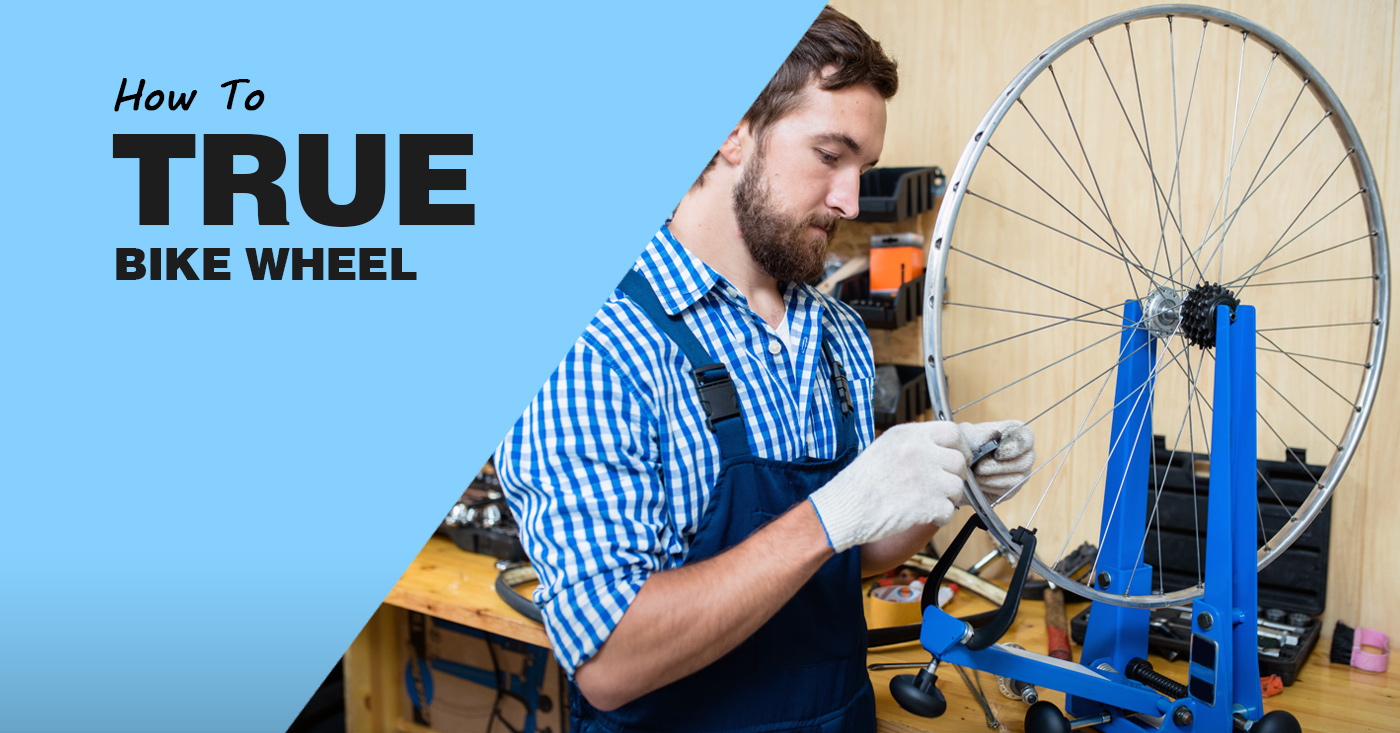
Here’s a simplified approach: Find the spot on the rim that’s sticking out to the left. Now, identify the spokes that attach to that part of the rim. If you need to pull the rim away from the left (i.e., move it to the right), you’ll want to tighten the spokes on the right side of the hub at that point. Conversely, if you need to pull the rim towards the left, you’d loosen the spokes on the left side of the hub at that point.
It sounds counterintuitive, right? Like trying to untangle Christmas lights by pulling them tighter. But remember, spokes are under tension. Tightening spokes on one side pulls the rim in that direction, while loosening spokes on the other side allows the rim to move away from that side. It’s a delicate dance of push and pull. Think of it as a tug-of-war where you’re gently nudging the rim back to center.
Pro Tip: Make small adjustments. A quarter or even an eighth of a turn of the nipple can make a difference. It's always easier to add tension than to take it away. You're aiming for gradual improvement, not a sudden lurch.
As you make adjustments, keep spinning the wheel and checking your progress. You'll likely need to go around the wheel multiple times, making tiny tweaks as you go. It's like editing a manuscript – you'll read it through, make a few changes, then read it again. Patience is your superpower here. If you’re using a truing stand, watch how the pointers react to your adjustments. This visual feedback is invaluable.
Radial Truing: Addressing the Bounce
Radial truing deals with the up-and-down movement, the "hop" in your wheel. This is usually caused by a spoke or spokes being too loose (causing a dip) or too tight (causing a bulge). To fix a radial wobble, you'll need to adjust the tension of the spokes in that specific area.

If you see a spot where the rim is dipping inwards (a low spot), you’ll want to tighten the spokes that attach to that part of the rim. If you see a spot where the rim is bulging outwards (a high spot), you’ll want to loosen those same spokes.
Again, small adjustments are key. Think of it like plucking a guitar string. You don't just yank it; you tune it precisely. You're aiming for a consistent "ping" from all the spokes. A good trick is to tap each spoke with your spoke wrench (gently!) and listen to the pitch. Ideally, all the spokes on the same side of the hub should have a similar-sounding pitch. This indicates consistent tension.
The Art of Spoke Tension: It’s All About Harmony
Beyond just making the wheel round, proper spoke tension is crucial for the longevity and performance of your wheel. Loose spokes are weak spokes, and they’re more prone to breaking. Too much tension can stress the rim and the hub. It’s a balancing act.
How do you know if your tension is good? If you don’t have a fancy tensiometer (a tool that measures spoke tension scientifically), your ears and fingers are your best friends. As mentioned, the pitch test is a good start. Also, when you squeeze spokes on opposite sides of the hub, they should feel similarly taut. If one feels like a limp noodle and the other like a guitar string, you've got work to do.
A common scenario is that a wheel might be laterally true but have a "tight spot" and a "loose spot" that are directly opposite each other. In this case, you'd tighten the spokes in the loose spot and loosen the spokes in the tight spot, essentially migrating tension around the wheel to even it out.

A Little History and Cultural Cachet
Did you know that early bicycle wheels were often made of wood? Imagine truing a wooden wheel! The concept of the spoked wheel, however, has been around for centuries, revolutionizing transportation and warfare. The modern bicycle wheel, with its intricate web of spokes, is a testament to clever engineering and a deep understanding of physics. It’s a beautiful blend of form and function. Think of those iconic images of early cyclists, their spokes glinting in the sun – a symbol of freedom and innovation.
Truing a wheel can also be seen as a very analog, almost mindful activity in our increasingly digital world. It’s a tactile skill that requires focus, patience, and a connection to the physical object. In a world of disposable everything, learning to repair and maintain your bicycle is an act of defiance and a step towards a more sustainable lifestyle. It's like knowing how to darn a sock or bake bread – it connects you to the process and makes you appreciate the craftsmanship.
Common Pitfalls and How to Avoid Them
Overtightening: This is the cardinal sin of wheel truing. You'll hear the "ping" of spokes breaking, or worse, damage your rim. Go slow, go small. If in doubt, tighten less.
Uneven Adjustments: Don't just tweak one spot and assume you're done. You need to work around the entire wheel, making consistent, small adjustments. It's a holistic process.
Ignoring the Dish: The "dish" is the degree to which the rim is centered between the hub's locknuts. A wheel needs to be "dished" correctly for your frame and brakes to work properly. If you're only truing laterally, you might inadvertently push the rim to one side. Truing stands usually have a dish gauge, but you can also check this by seeing if the rim is centered between your brake pads. Adjusting the dish often involves tightening spokes on one side of the hub and loosening them on the other, carefully and incrementally.
Trying to Fix Major Damage: If your wheel has a significant dent, a severely bent rim, or a missing spoke that’s been gone for a while, truing might not be enough. Sometimes, you just need a new rim or even a whole new wheel. Don't be afraid to consult a professional if the damage is extensive.
When to Call in the Cavalry (the Professional Mechanic)
While learning to true your own wheels is incredibly empowering, there are times when it’s best to let the experts handle it. If you’re dealing with a severely buckled wheel, a damaged hub, or if you’ve tried your best and the wobble persists, don’t hesitate to visit your local bike shop. They have the specialized tools and the years of experience to sort out even the trickiest issues. Think of it as getting a professional tune-up for your bike's symphony orchestra.
It's also a great learning opportunity. Watch your mechanic work, ask questions. Most bike shop folks are passionate about cycling and happy to share their knowledge. You might pick up a few tricks that will help you on your next DIY truing session.
Learning to true a wheel is more than just a maintenance task; it's a journey into the heart of your bicycle. It's about understanding the intricate mechanics that allow you to explore your world, one pedal stroke at a time. It fosters a deeper appreciation for your machine and the simple joy of a smooth ride.
There’s a profound satisfaction in knowing that you, with your own hands and a few simple tools, can restore order and harmony to your bike’s spinning world. It’s a reminder that many of life’s little imperfections can be addressed with a bit of patience, a steady hand, and a willingness to listen – whether it's to the subtle hum of a perfectly tensioned spoke or the quiet whispers of your own intuition. The next time your wheel starts to sing a slightly off-key tune, don't just ignore it. Tune it up. You might just find that in bringing your bike back into balance, you find a little more balance in your own life too. Happy truing!

![How To True A Bike Wheel In 5 Steps [With Video Guide]](https://biketips.com/wp-content/uploads/2023/05/9-1.jpg)