How Do You Prune An Olive Tree
There’s something undeniably romantic about olive trees. Think of the sun-drenched groves of the Mediterranean, the ancient gnarled trunks that have witnessed centuries of life, and of course, the precious fruit that graces our tables. Owning an olive tree, whether a majestic specimen in your garden or a cute little dwarf variety on your balcony, feels like a little slice of that timeless charm. But just like anything beautiful, it needs a little TLC to truly thrive. And at the heart of that care? Pruning. Now, before you picture yourself wielding a chainsaw like a medieval knight, let's take a deep breath. Pruning an olive tree isn't some arcane ritual reserved for seasoned horticulturists. It's actually quite manageable, and dare I say, rather satisfying.
Think of pruning as giving your olive tree a good haircut. It’s not about drastic surgery, but rather about a little shaping, a bit of tidying up, and encouraging it to produce its best fruit. And honestly, it’s a fantastic excuse to spend some quiet time outdoors, connecting with nature. Plus, a well-pruned tree is less prone to diseases, more productive, and frankly, it just looks a whole lot happier. So, ditch the anxiety and let’s dive into the wonderfully simple world of olive tree pruning.
Why Bother Pruning? The Gentle Nudge
So, why do we even bother with the snip-snip? Well, for starters, encouraging fruit production is a big one. Olive trees produce fruit on one-year-old wood. By pruning, we’re essentially clearing out old, unproductive branches and making space for new growth that will bear those delicious olives. It's like clearing out your closet to make room for new, fabulous outfits – your tree will thank you!
Must Read
Beyond fruit, pruning is all about improving air circulation and light penetration. Over time, branches can get a bit crowded. This can create damp, shady spots where fungal diseases love to hang out. By opening up the canopy, you’re creating a healthier environment for your tree, allowing sunshine to reach all its parts and breezes to dry things out. It’s the botanical equivalent of opening the curtains and letting in some fresh air!
And let's not forget shape and aesthetics. While olive trees have a beautiful natural form, sometimes a little guiding hand is needed to keep them looking their best, especially if you have a specific aesthetic in mind. It’s like styling your hair – a little trim can make all the difference.
When to Wield the Shears: Timing is Everything
Timing, as they say, is crucial. For most olive trees, the ideal time to prune is in late winter or early spring, just before new growth begins. Think February or March in the Northern Hemisphere. This timing offers a few key advantages. Firstly, the tree is in a dormant state, so the pruning cuts will heal more readily as growth resumes.
Secondly, it allows you to clearly see the tree's structure without the distraction of leaves. You can easily identify crossing branches, dead wood, and areas that need thinning. Pruning too late in the spring, when buds are already swelling, can remove potential fruit-bearing wood. So, aim for that sweet spot before the real show starts.
However, there are exceptions. If you notice any diseased or damaged branches at any time of the year, don't hesitate to remove them immediately. It's like spotting a snag in your favourite sweater – better to fix it now before it gets worse.

The 'Green' Pruning: Summer Touches
While the major pruning happens in winter, a light touch-up in the summer can be beneficial. This is often referred to as 'green' pruning. It involves removing any weak or misplaced shoots that are competing for resources or getting in the way. It’s a gentler intervention, focused on maintaining the shape and vigour you established during the winter prune. Think of it as a quick touch-up, not a full restyle.
Tools of the Trade: Your Pruning Toolkit
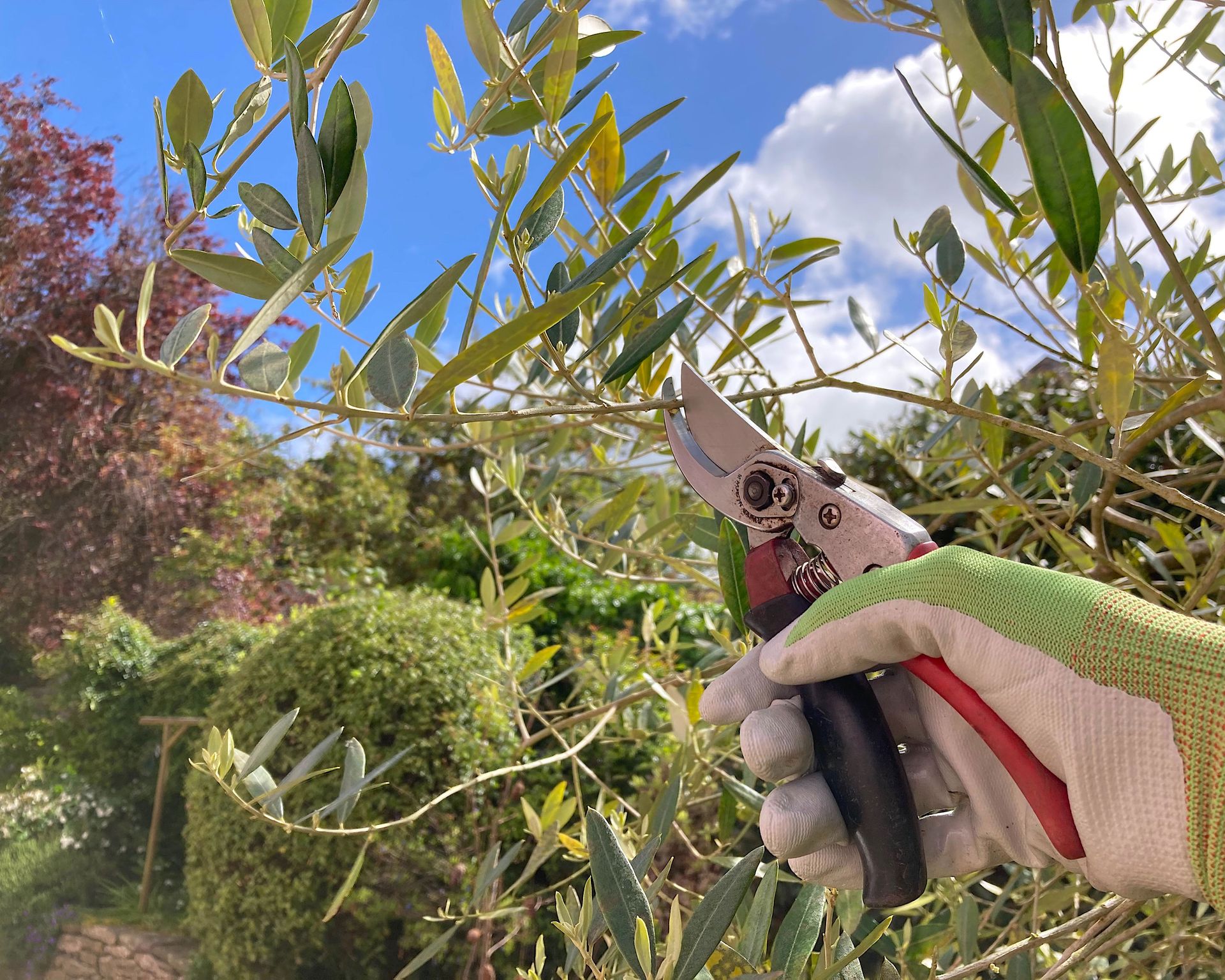
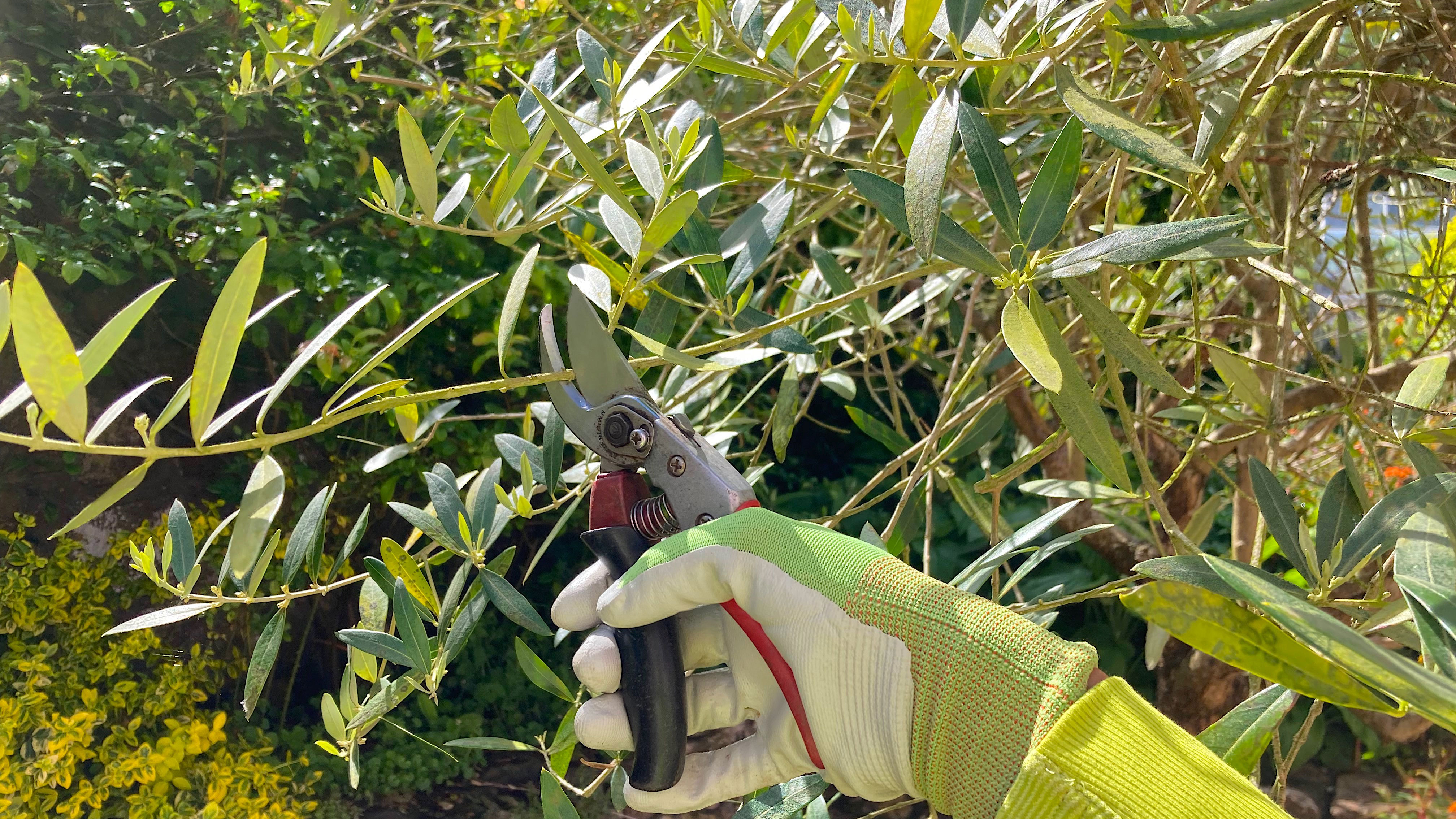
You don't need an arsenal of intimidating machinery. For most olive trees, a few trusty tools will see you through. The stars of the show are usually: hand pruners (also called secateurs). These are your go-to for small branches, typically up to about half an inch in diameter. Make sure they are sharp and clean – a clean cut is a healthy cut!
For slightly larger branches, up to an inch or so, you'll want loppers. These have longer handles, giving you more leverage. Again, sharp and clean is key. And for anything thicker than your thumb, it's time to consider a pruning saw. There are various types, from small hand saws to bow saws. A good, sharp pruning saw will make quick work of thicker branches.
Safety first! Always wear sturdy gloves to protect your hands from thorns and sap. If you're tackling larger branches or working at height, consider safety glasses to protect your eyes from flying debris. And never, ever try to prune a branch that’s too big for your tools – it’s a recipe for frustration and potential injury.
The Art of the Cut: What to Remove
Now for the exciting part: deciding what to snip away. The general principle is to remove anything that doesn't serve the tree's health or productivity. Let’s break it down:
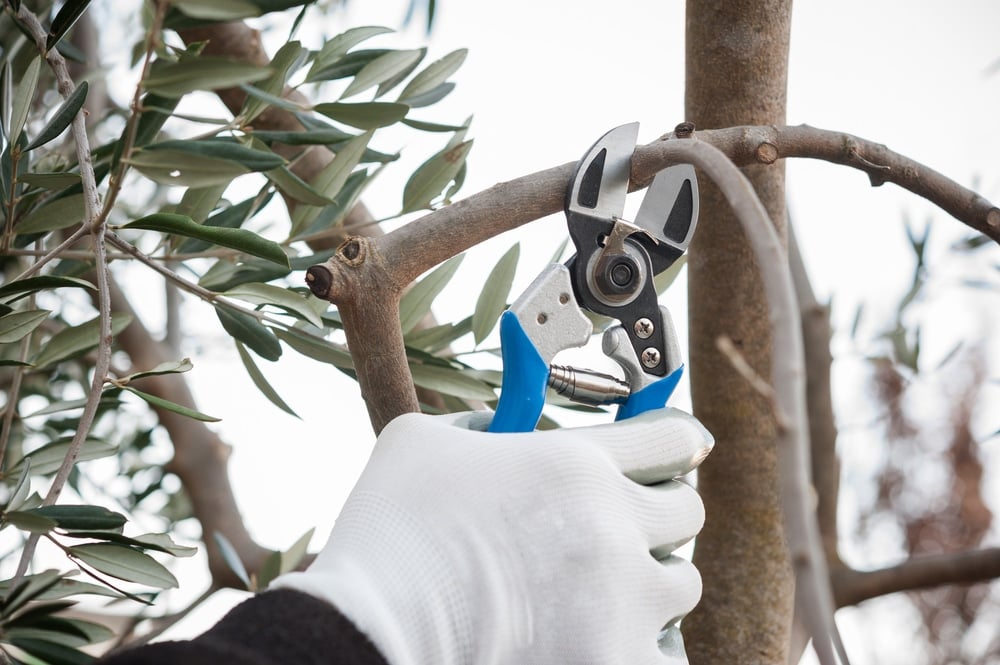
1. Dead, Diseased, or Damaged Wood: This is your absolute first priority. Look for branches that are brown, brittle, lack any signs of life, or show any unusual spots or wilting. Cut these back to healthy wood. When you cut into a branch, healthy wood should be a vibrant green just beneath the bark. If it’s brown and dry, keep cutting back until you reach that healthy green layer.
2. Crossing or Rubbing Branches: These can damage each other over time, creating wounds that are entry points for disease. Choose one of the branches to remove – usually the weaker or more poorly positioned one. Imagine them as two people arguing over personal space; you need to separate them!
3. Water Sprouts and Suckers: Water sprouts are vigorous, vertical shoots that often grow rapidly from the main branches or trunk. Suckers, on the other hand, emerge from the base of the tree. They tend to be weak, don't produce fruit, and steal energy from the main tree. Think of them as freeloaders. Be ruthless with these!
4. Inward-Growing Branches: Branches that grow towards the centre of the tree can crowd the canopy, reducing light and air circulation. Aim to create an open, goblet-like shape, allowing light to penetrate the core. If a branch is heading inwards, it’s a prime candidate for removal.
5. Overly Dense Areas: Once you’ve dealt with the obvious offenders, take a step back and assess the overall density. If some areas look a bit too crowded, thin them out by removing some of the weaker or less well-placed branches. The goal is to create a balanced, open structure.

Shaping Your Olive: The Goblet and Beyond
Olive trees, especially those grown for fruit, are often trained into an open-centre or 'goblet' shape. This encourages fruit to form on the interior branches as well as the exterior. To achieve this:
Start by identifying a central leader (if your tree has one) and three to four well-spaced, strong branches that will form the main structure of your goblet. Remove any competing branches from the centre. As the tree grows, continue to remove any upward-growing shoots from the centre and any branches that are too low or too close to the ground.
However, not all olive trees need to be formal goblets. Many people prefer to let their olive trees grow more naturally, embracing their unique, often sculptural, forms. In this case, focus more on the principles of removing dead wood, crossing branches, and thinning for health and air circulation. The shape then becomes a natural evolution, dictated by the tree's inherent growth habit and your gentle guidance.
A Note on Dwarf Varieties
If you have a dwarf olive tree, the principles are largely the same, but on a smaller scale. You’ll be using smaller tools, and the overall size of the tree means you’ll have less to prune. Focus on maintaining its compact form and ensuring it remains healthy and productive. These little guys are perfect for balconies and patios, and a bit of light pruning will keep them looking charming.
The Cultural Connection: Olives Through the Ages
Pruning an olive tree connects you to a tradition that stretches back millennia. The olive tree is more than just a source of food; it's a symbol of peace, wisdom, and longevity in many cultures. From ancient Greece, where the olive branch was a symbol of victory and peace awarded to Olympic champions, to the biblical narrative of Noah sending out a dove with an olive leaf to signal the end of the flood, this tree has held profound significance.

In many Mediterranean regions, olive groves are passed down through generations, and the act of tending to them, including pruning, is a cherished family ritual. Imagine your ancestors, standing in the same sunlight, with the same tools, making the same thoughtful cuts. It’s a humbling and connecting experience.
Did you know that some olive trees can live for over a thousand years? Their resilience and ability to adapt are truly remarkable. Pruning helps maintain that vigour, ensuring your tree can continue its long and fruitful life.
After the Snips: Patience and Observation
Once you've finished your pruning session, step back and admire your handiwork. You might feel a pang of guilt for all the bits you’ve removed, but trust that you’ve done your tree a world of good. Resist the urge to over-prune, especially in your first few attempts. It’s always better to do a little less than too much.
Observe your tree over the coming weeks and months. You’ll start to see new growth emerging from the cuts, and the overall structure will begin to open up. This is your reward. It’s a continuous dialogue between you and your tree, a gentle partnership.
A Final Thought: Pruning as a Metaphor
There's a beautiful parallel between pruning an olive tree and navigating our own lives. Sometimes, we need to prune away the unnecessary: the commitments that drain us, the negative thoughts that hold us back, the relationships that no longer serve us. It can be a little uncomfortable, a little painful to let go of things, but it creates space for new growth, for greater clarity, and for more vibrant living. Just as a well-pruned olive tree can offer more fruit and stand stronger, so too can we, by shedding the excess, cultivate a more fruitful and resilient existence. So, next time you pick up those shears, remember that you're not just tending to a tree; you're also engaging in a quiet, mindful practice that can nourish your own well-being.