How Do You Play An F On Guitar
Learning to play a new chord on the guitar can feel like unlocking a secret superpower. It opens up a whole new world of songs you can strum and sing along to. And when that new chord is the F major, it's a pretty big deal! This particular chord is a gateway to countless popular tunes, from classic rock anthems to modern pop hits. So, if you've been wondering how to tackle this seemingly intimidating chord, get ready, because we're going to break it down in a way that's super approachable.
Why bother with the F chord? Well, for beginners, mastering the F is a significant milestone. It's often one of the first "difficult" chords, and conquering it builds confidence and demonstrates real progress. For families looking for a fun, shared activity, learning a new chord together can be a fantastic bonding experience. Imagine jamming out to some family favorites! And for hobbyists, the F chord is an essential tool in your musical arsenal, allowing you to expand your song repertoire and impress your friends at your next campfire singalong.
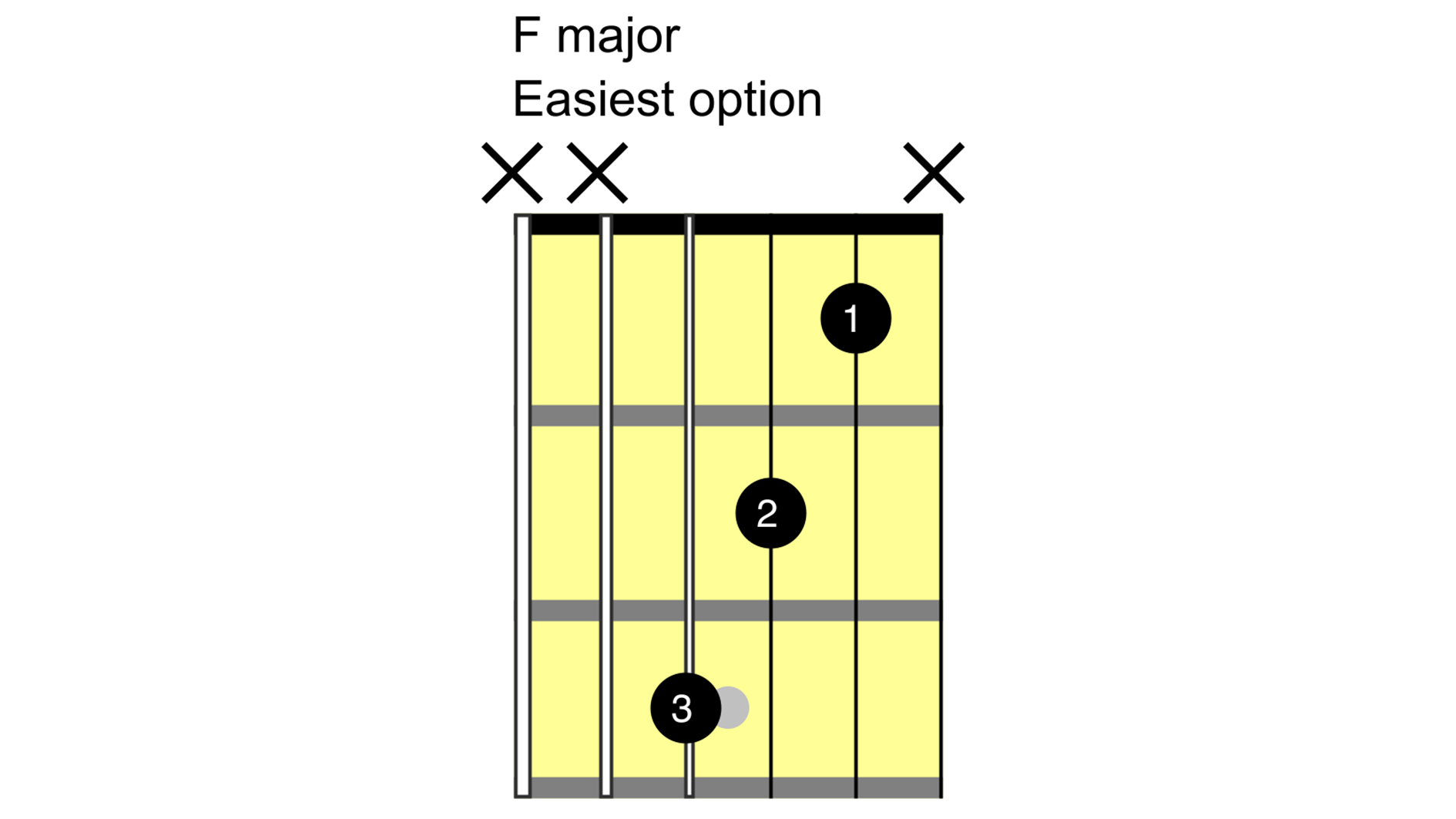
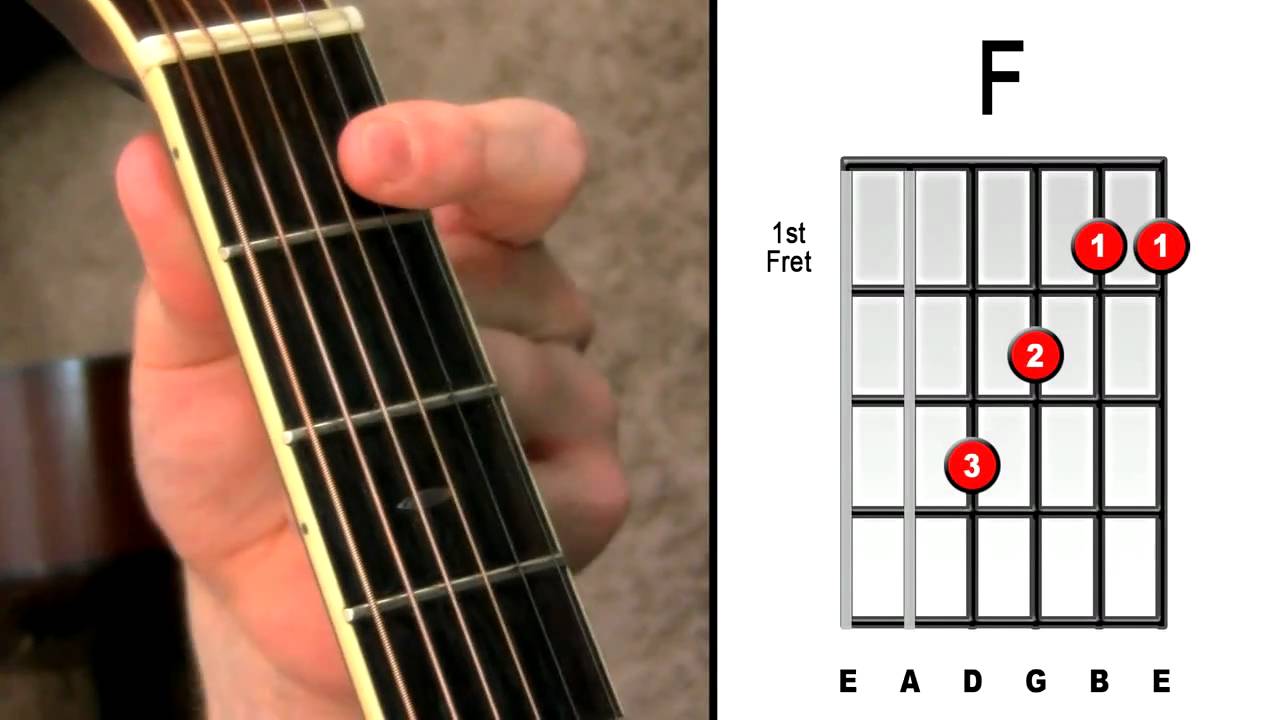
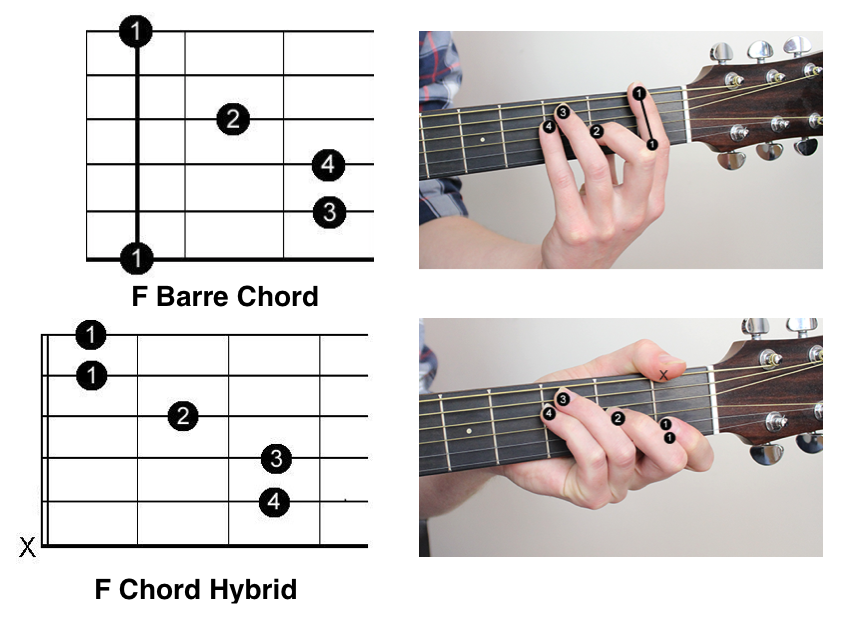
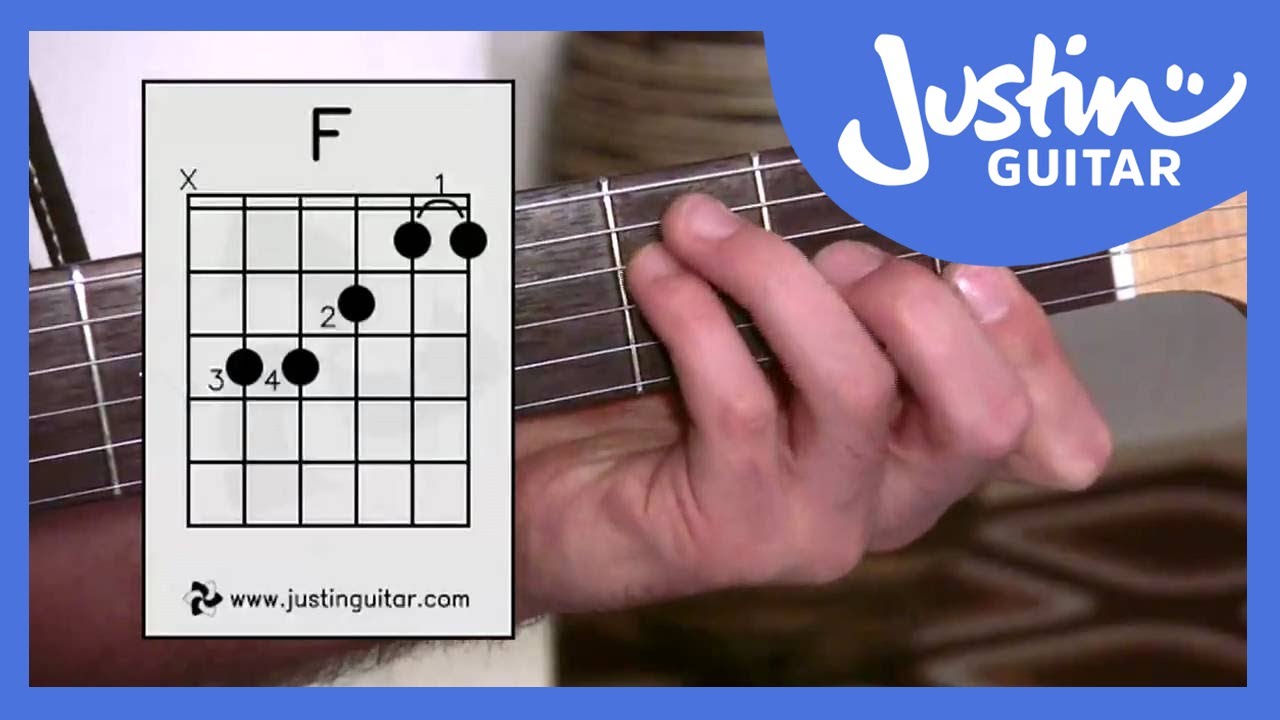
Now, when we talk about the F major chord, most people immediately think of the dreaded "barre chord." And yes, that's one way to play it! A barre chord involves using your index finger to press down across all six strings at a specific fret. It can feel a bit like a workout for your hand at first! However, there are some easier variations that are perfect for getting started. For instance, you can play a simplified F chord by omitting some of the strings or using different finger placements. Think of it as a "mini-F" or a "cowboy F." These variations still sound great in many songs and are a fantastic stepping stone to the full barre chord.
Must Read
So, how do you actually get your fingers in position? For the most common F barre chord, here's the gist: Place your index finger across the first fret, pressing down all six strings. Then, place your middle finger on the third string (G) at the second fret. Your ring finger goes on the fifth string (A) at the third fret, and your pinky finger goes on the fourth string (D) at the third fret. Strum all six strings, and voila! If that sounds like a lot, don't worry! The simplified versions are your friends. A common beginner-friendly F uses your index finger on the first fret of the second string (B), your middle finger on the second fret of the third string (G), and your ring finger on the third fret of the first string (high E), only strumming the top three or four strings.

Here are some simple, practical tips for getting started. Patience is key. Your fingers won't cooperate perfectly on the first try, and that's completely normal. Practice in short bursts. A few minutes several times a day is more effective than one long, frustrating session. Focus on clean notes. Make sure each string you're supposed to hear rings out clearly without buzzing. And importantly, don't be afraid to try the easier variations first. They are designed to help you get comfortable with the sound and feel of the F chord.
Ultimately, learning the F chord is about adding joy and versatility to your guitar playing. It's a challenge, sure, but the reward of being able to play more songs and express yourself musically is absolutely worth it. So grab your guitar, take a deep breath, and let's make some F-tastic music!