How Do You Get Rid Of Seagulls
Okay, so you’ve got a seagull situation. Sounds like a scene from a Hitchcock movie, right? Except, you know, with more… squawking. And maybe less terror, hopefully. Let's be honest, those feathered fiends can be a real nuisance. They’re like nature’s tiny, dive-bombing pirates, always eyeing your chips. Or your picnic. Or, frankly, anything that even remotely smells like food. So, the big question on everyone’s lips, or at least on mine right now, is: how do you get rid of seagulls?
It’s not like you can just call pest control and have them whisk them away in a little seagull-sized net, is it? Although, wouldn’t that be something? Imagine the tiny handcuffs! Anyway, we’re not talking about anything extreme here. We’re just trying to reclaim our outdoor spaces from these… bold birds.
First things first, let’s talk about why they’re even hanging around. It’s usually pretty simple: food. They’re opportunistic little guys, and if you’re leaving out scraps, or your bin lid isn’t perfectly secure, you’re basically putting out a neon sign saying “All You Can Eat Buffet!” It's like leaving a giant cookie on the counter and expecting the cookie monster not to show up. Silly, right?
Must Read
So, the most effective, and frankly, the easiest way to start is by cutting off their food supply. Shocking, I know! It’s like magic, but… less sparkly. This means being really diligent about your rubbish. Make sure your bins are properly sealed. Seriously, those lids aren't just for decoration. If you’ve got a compost bin, keep it covered too. Those gulls are not picky eaters, believe me. They'll go after anything.
And please, for the love of all that is holy, don’t feed the seagulls. I know, I know, they look cute and sad with those big eyes, especially when they’re doing their little head-tilts. But feeding them is the cardinal sin of seagull management. You’re basically encouraging them to stick around, bringing all their noisy friends. It’s like that one person who brings a plus-five to every party. Not ideal.
Think about it this way: if you stopped getting freebies at your local cafe, would you keep going back? Probably not, right? Seagulls are the same. They're all about the return on investment. If it's too much effort to get a snack, they'll find an easier target. It's pure, unadulterated avian economics.
So, what else can we do?
Beyond the obvious food issue, there are a few other tricks up our sleeve. We're talking about making your space just a little bit… uninviting. Not hostile, mind you. Just… not the all-you-can-eat buffet or the five-star hotel it might have been.

One of the classic methods is using visual deterrents. Have you ever seen those shiny, reflective things hanging around? They’re usually made of Mylar or old CDs. The idea is that the flashing light and movement scares them off. It’s a bit like when you catch the sun on your watch and it glints in someone’s eyes. Annoying for them, right? Well, seagulls aren’t big fans of that either. They're creatures of habit, and sudden, unpredictable flashes can make them think twice.
You can hang these things from eaves, trees, or anywhere you see them congregating. Just make sure they’re actually moving. A static shiny object isn’t going to do much. It needs that flair, that sparkle, that dazzle to really get their attention. Think of it as a disco ball for birds, but one that makes them want to leave the dance floor.
Another popular option is decoys. Yes, you can buy fake predators! Sounds a bit silly, doesn’t it? But it can actually work. Think of a plastic owl or a hawk. The theory is that seagulls are wary of their natural predators. So, if they see something that looks like it might eat them, they’ll probably steer clear. It’s like putting a “Beware of the Dog” sign on your fence, even if you only have a hamster. It’s the threat that matters.
The catch with decoys, though? Seagulls are smart. They’ll figure out pretty quickly if that owl hasn’t moved in three weeks and hasn’t eaten anything. So, you have to be strategic. You can’t just plonk it down and expect miracles. You’ll need to move it around regularly. Make it look like it’s… active. Maybe even give it a little backstory. “This is Reginald, the fearsome owl of Elm Street. He’s very territorial.”
Some people swear by bird spikes. These are those spiky metal things you see on ledges of buildings. They don't hurt the birds, but they make it really uncomfortable for them to land and perch. Imagine trying to get comfortable on a bed of LEGO bricks. Not exactly ideal for a nap, is it? So, if you have specific problem areas where they love to hang out, like on your roof or balcony railings, spikes can be a good deterrent.
Now, let’s talk about sound. Seagulls can be noisy. Like, really noisy. Especially early in the morning. Ugh. Some people try using sonic deterrents, which emit high-frequency sounds that are supposed to be annoying to birds. The jury's out on how effective these are. Some birds might get used to them, and frankly, some of us might even get used to them after a while. It’s a bit like that constant hum from the fridge you only notice when it stops.
There are also sonic emitters that play distress calls of other birds. The idea here is to make the area seem unsafe. If they hear what sounds like other seagulls in trouble, they might think, “Uh oh, better not go there.” Again, effectiveness can vary. Some birds are braver than others. Some gulls are just straight-up rebels, you know?
What about the more… hands-on approach?
Okay, this is where things get a little more… involved. And by involved, I mean you might actually have to, dare I say it, do something.

One of the most common issues is seagulls nesting. They love to set up shop on rooftops, balconies, and even in gutters. If you find a nest, it’s a bit of a tricky situation. You generally can’t just remove it. There are usually regulations about disturbing nests, especially during breeding season. So, you might need to check local bylaws. It’s not as fun as you’d think, is it?
If you do have a nest and it’s in a problematic spot, you might need to consult a professional. They can advise on how to safely remove it, or how to prevent them from nesting there in the future. Think of them as the seagull whisperers, but with a much more practical skillset.
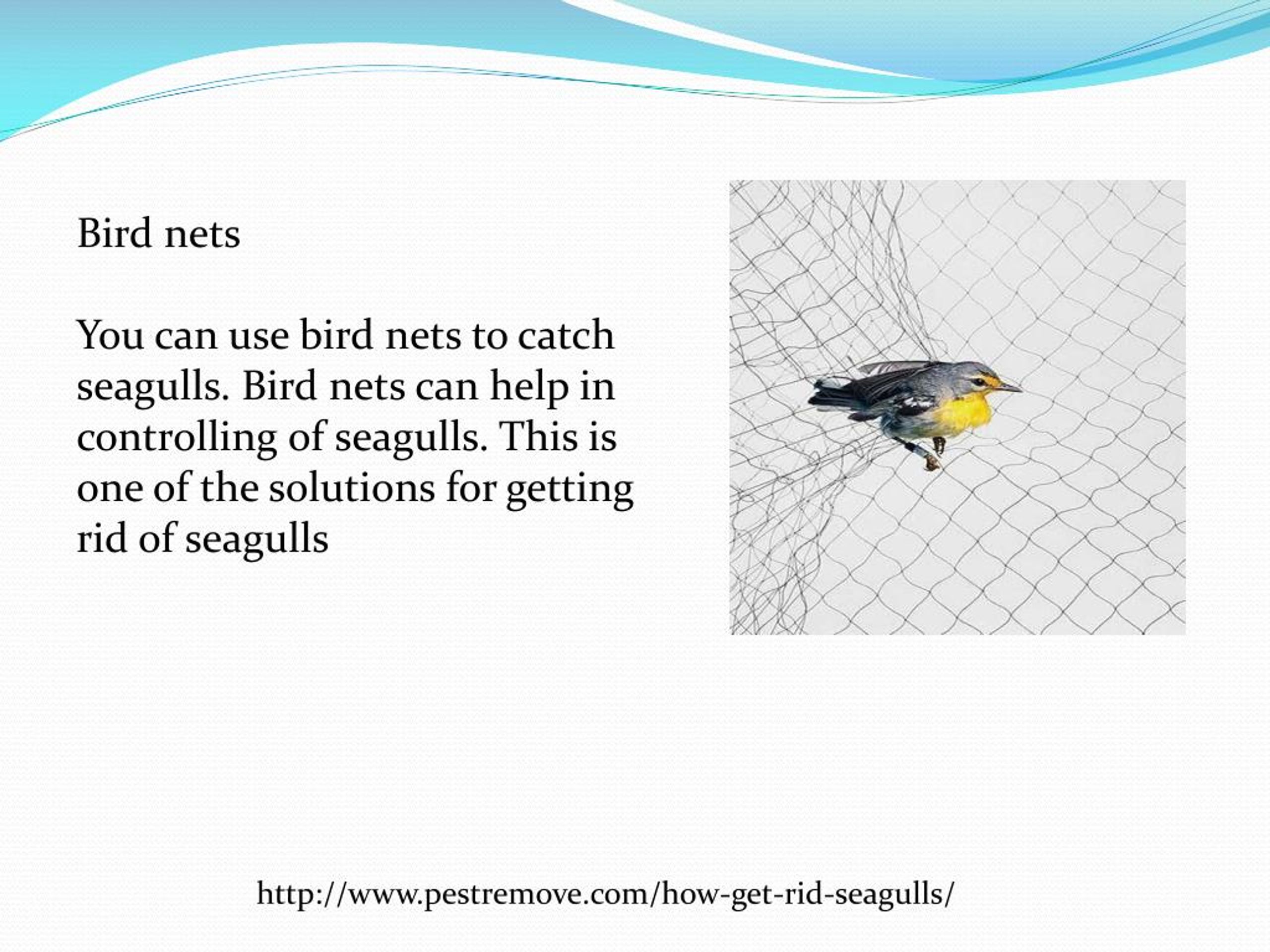
Then there's the whole idea of physical barriers. If they’re getting into your garden, or onto your balcony, you might consider netting. This can be a bit of an eyesore, I’ll admit. Nobody wants their patio to look like a giant birdcage. But if it’s the only way to keep them out, it might be worth considering. You can get bird netting that’s relatively discreet. Or, you know, just embrace the avant-garde look. Who’s to say it’s not a fashion statement?
Some people also use things like fishing line. You string it up in areas where they like to land. It’s not visible from a distance, but when they try to land, they bump into it. It’s like an invisible tripwire for birds. Again, they might get used to it, so it’s not a foolproof solution. But it can be an extra layer of deterrence.

A Note on Humane Practices
It’s really important to remember that we’re talking about deterring seagulls, not harming them. They’re wild animals, and while they can be a nuisance, they deserve to be treated with respect. No poisoning, no cruel traps, nothing that’s going to cause them unnecessary suffering. That’s just… not cool. We’re aiming for a peaceful coexistence, or at least a polite “please leave our chips alone.”
So, the key takeaways here? First, and I can’t stress this enough, remove their food source. Secure your bins, don’t leave food out, and for goodness sake, don’t feed them. It’s the most effective, and arguably the most humane, way to deal with the problem.
Second, get creative with deterrents. Shiny things, decoys, spikes, even a bit of well-placed fishing line can make a difference. Just remember that birds are smart and adaptable, so you might need to mix and match and change things up.
And finally, if you’re dealing with nests or persistent problems, don’t hesitate to seek professional advice. There are people who know how to handle these situations safely and effectively.
Ultimately, getting rid of seagulls is a bit of a puzzle. It requires a little bit of effort, a dash of patience, and maybe a sense of humor. Because let’s face it, sometimes you just have to laugh at their sheer audacity. They’re a force of nature, and while they might be a pain, they’re also a reminder of the wildness that exists all around us. Even if that wildness is trying to steal your sandwich. So, go forth, brave seagull warrior, and reclaim your territory!