Fourth Wall Meaning

Ever feel like you're watching a movie, and a character just knows you're watching? Or maybe you've seen a comedian casually wink at the audience after a particularly good joke? That, my friends, is the magic of the fourth wall, and trust me, it's a lot more relevant to your everyday life than you might think.
So, what exactly is this mysterious "fourth wall"? Imagine a stage, right? You've got the actors on it, doing their thing. They're separated from you, the audience, by a physical space. Now, think of that space as having three walls: the back wall of the stage and the two side walls. The fourth wall is the invisible, imaginary one that sits right between the actors and you, the audience.
It's basically the unspoken agreement that says, "We are in our world, you are in yours, and we won't acknowledge each other's existence." The actors stay in character, within the story's reality, and we, the viewers, pretend they're completely unaware of our presence. It's like peering into a little diorama, and the figures inside are blissfully unaware you're looking.
Must Read
Think about your favorite sitcoms. When the characters are having a serious conversation, or a hilarious mishap, they're not usually looking directly at the camera, right? They're interacting with each other, living their fictional lives. That's the fourth wall firmly in place, keeping the illusion alive. It helps us get really immersed in their world. We feel like flies on the wall, privy to their secrets and triumphs.
Now, what happens when that wall gets a little… wobbly? That's when things get really interesting. When an actor acknowledges the audience directly, breaks character, or directly addresses you, they're breaking the fourth wall. It's like a little wink from the universe, a reminder that hey, this is all a performance, and we're all in on the fun together.

Remember Ferris Bueller? Oh, Ferris Bueller! That guy was a master of the fourth wall break. He'd be telling you, the audience, about his elaborate schemes, his plans to ditch school, and his general philosophy on life, all with a mischievous grin. He was essentially inviting you into his world, making you his accomplice. It made him incredibly relatable and utterly charming. You felt like you were his best friend, right there with him on his adventure.
It’s a bit like when you’re telling a story to a friend, and you pause, look them in the eye, and say, "And then, you won't believe what happened next…" That little pause, that direct gaze, it’s a subtle fourth-wall break in everyday conversation. You're not just relaying information; you're engaging them, pulling them into the narrative with you.
Why should we even care about this invisible wall? Well, because it's a powerful storytelling tool! When a fourth wall is maintained, it creates a sense of realism and immersion. We get lost in the story, forgetting that it's made up. It allows us to experience the characters' emotions and situations as if they were real.
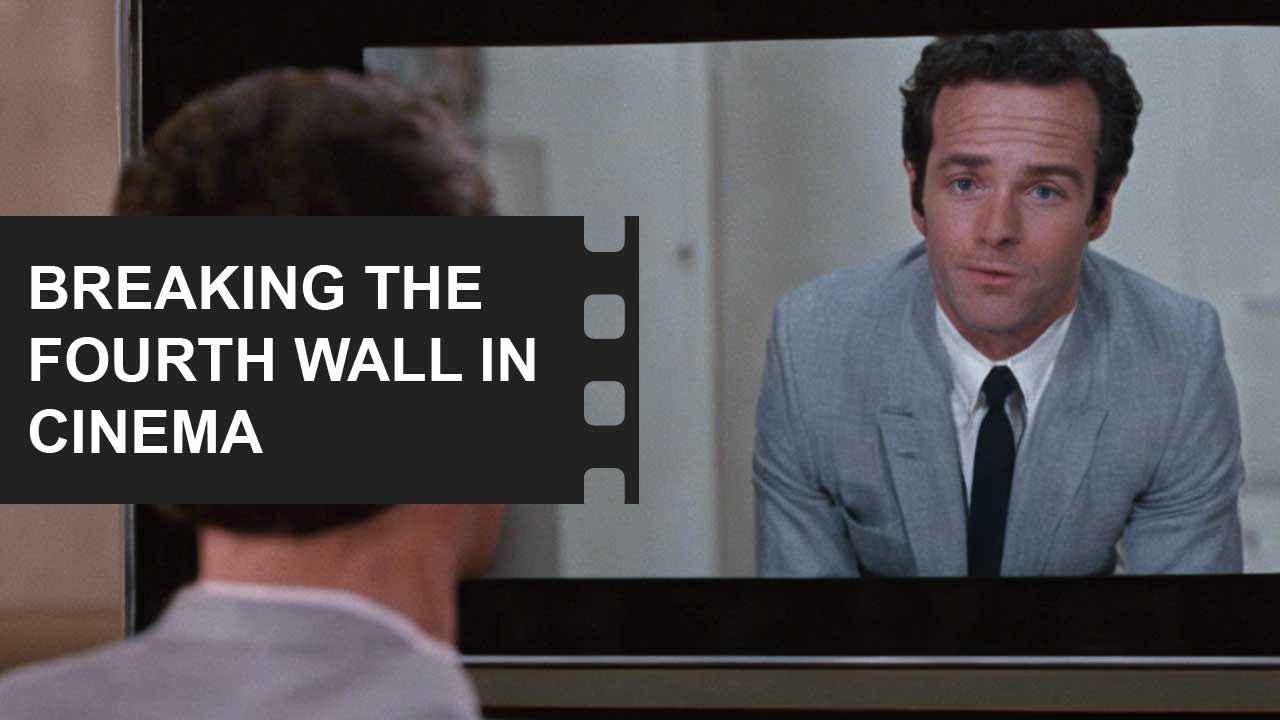
But when that wall is broken? Oh boy, it can do all sorts of wonderful things! It can be used for comedy, like when a character makes a sarcastic comment directly to the audience about the absurdity of the situation they're in. It can build connection, making you feel like the character is confiding in you. It can even be used for social commentary, as the character might point out flaws in the fictional world that mirror our own.
Think of it like this: maintaining the fourth wall is like enjoying a delicious, perfectly presented meal. Everything is in its place, and you appreciate the artistry. Breaking the fourth wall is like the chef coming out to your table, explaining the dish, sharing a little story about the ingredients, and maybe even offering you a taste of something extra. It's a different kind of enjoyment, a more intimate and interactive one.
Sometimes, breaking the fourth wall can be used to create a sense of unease or disorientation. If a character suddenly starts talking to you when they shouldn't be, it can make you question what's real and what's not, which can be quite unsettling, but in a compelling way.
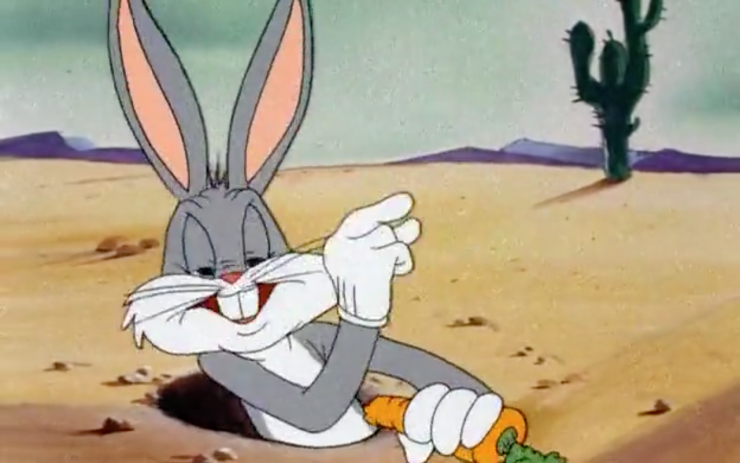
It's not just in movies and TV shows, either. You see it in theater, in books, and even in video games. In some games, characters might directly tell you what to do, or comment on your playing style. It's all about blurring the lines between the creator, the performer, and the audience.
Consider the classic example of a narrator who directly addresses the reader. "Dear reader," they might begin, as if you're sitting right there with them, sharing a cup of tea. That's a deliberate invitation to step outside the narrative and acknowledge the act of reading itself.
Let's imagine a slightly silly scenario. You're at a friend's house, and they're showing you their meticulously organized bookshelf. They might proudly point to a section and say, "And this is where I keep all my ridiculously expensive gardening books. Don't tell my wallet!" That little aside, that direct address to you, the listener, is a mini fourth-wall break. They're acknowledging your presence and sharing a little personal insight beyond the display of books.

The beauty of the fourth wall, and the art of breaking it, is in its versatility. It's not just a gimmick; it's a tool that can enhance a story in so many ways. When done well, it can make a piece of art feel incredibly personal and engaging.
So, the next time you're watching a show, playing a game, or even reading a book, keep an eye out for that invisible wall. See how it’s being used, and when it’s broken, try to understand why. Are they trying to make you laugh? Make you think? Make you feel a connection? It’s a little secret between the creator and you, the audience, and understanding it can unlock a whole new level of appreciation for the stories we love.
It’s like learning a secret handshake for appreciating entertainment. Once you know about the fourth wall, you start to see it everywhere, and it’s a pretty neat thing to notice. It reminds us that stories, no matter how real they feel, are crafted with intention, and sometimes, the creators want to share a little wink and a smile directly with us. And that, in my book, is just plain fun.