Dry Dog Food Or Wet Dog Food

Ah, the age-old debate that’s probably sparked more dinner table discussions (or should we say, kibble-counter discussions?) than any other topic in the canine kingdom: dry dog food versus wet dog food. Whether you’re a seasoned dog parent who’s been navigating the aisles of pet stores for years, or you’ve just welcomed your first furry friend into your home, this is a question that’s bound to pop up. After all, we all want the very best for our four-legged companions, and what they eat plays a huge role in their overall health and happiness. It’s not just about filling their bellies; it’s about fueling their adventures, from chasing squirrels with gusto to snuggling on the couch with pure contentment.
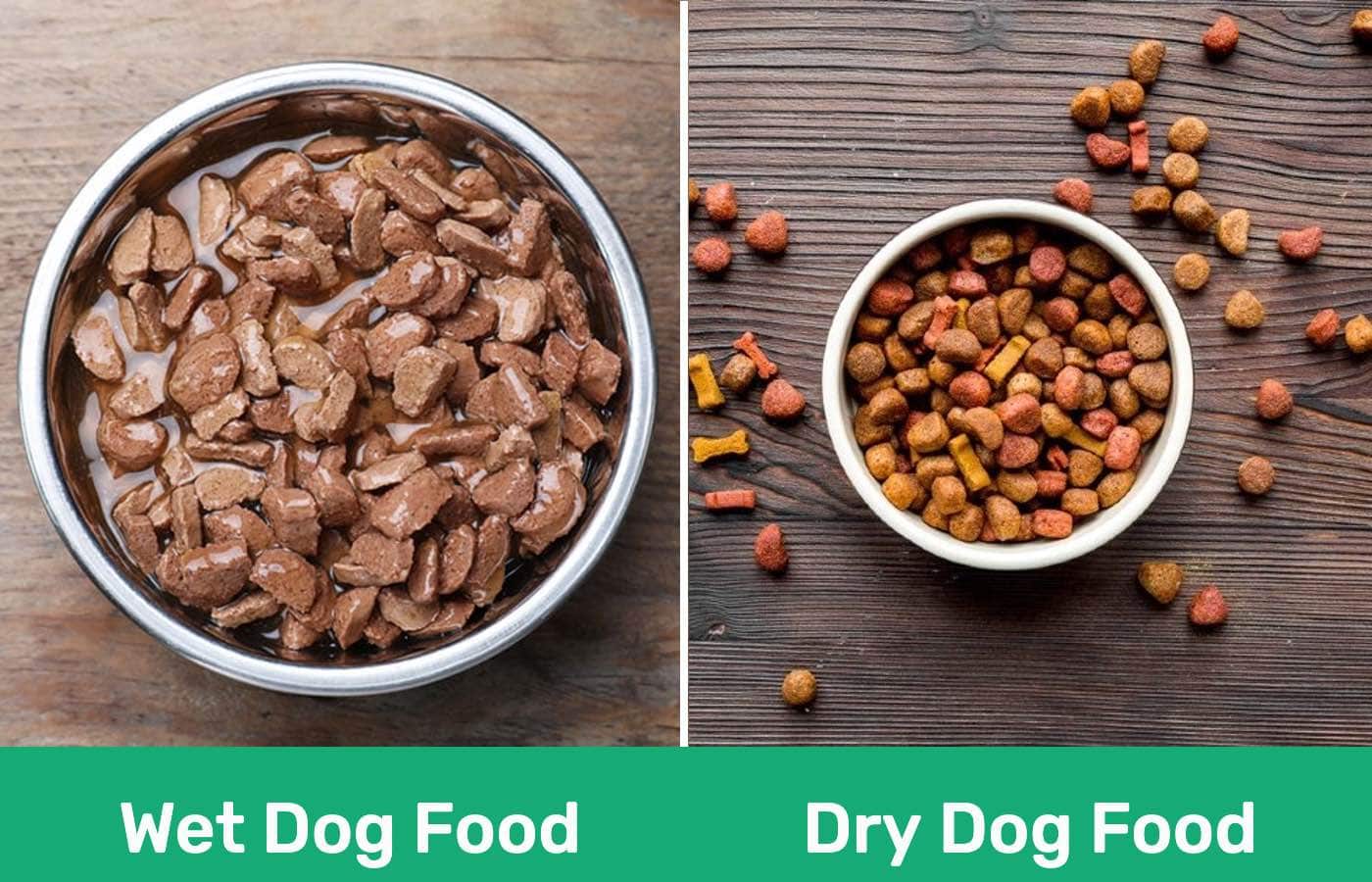
So, what’s the deal? Let’s break down the good stuff about both dry and wet dog food. Dry dog food, often lovingly referred to as kibble, is the workhorse of the dog food world. Its primary purpose is to offer a complete and balanced meal in a convenient, shelf-stable format. Think of it as the reliable, everyday staple. The benefits are numerous: it's typically more economical, which is a big plus for many households. It’s also fantastic for dental health! The crunchy texture of kibble can help scrape away plaque and tartar from your dog’s teeth, contributing to fresher breath and healthier gums. Plus, it's incredibly easy to store and measure, making those early morning feedings a breeze.
On the other hand, wet dog food, with its appealing aroma and moist texture, often feels like a gourmet treat for our pups. Its main purpose is to provide hydration and a highly palatable meal, especially for picky eaters or dogs with certain health conditions. The higher moisture content in wet food can be incredibly beneficial for dogs who struggle to drink enough water, supporting kidney health and overall hydration. It’s also generally easier to digest, making it a great option for senior dogs or those with sensitive stomachs. You’ll find wet food in a variety of forms: delectable pâtés, chunky stews, and even morsels in gravy – each designed to tempt even the most discerning canine palate.
Must Read
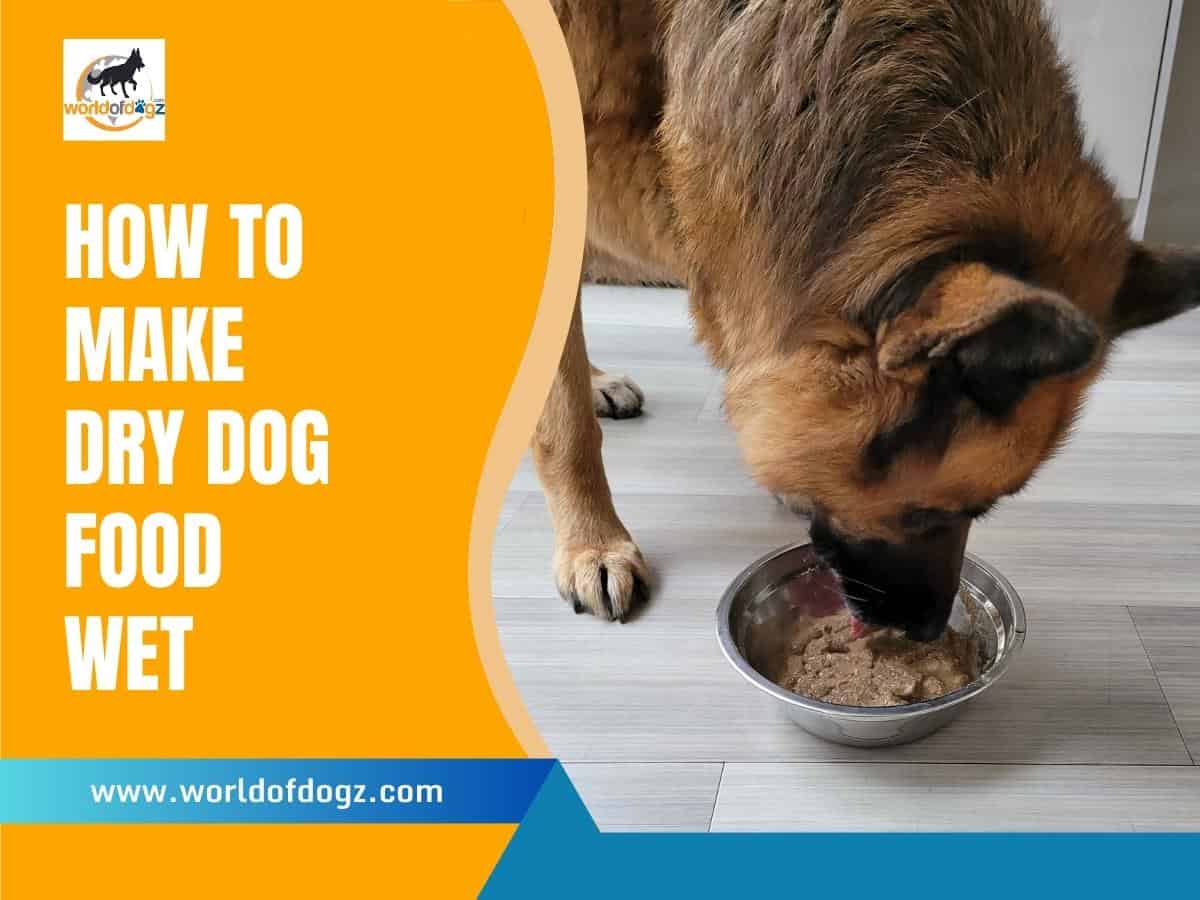
Now, how can you make the most of either choice? If you opt for dry food, consider adding a little something special. A spoonful of plain, unsweetened yogurt, a sprinkle of cooked chicken, or even a bit of bone broth can elevate their mealtime experience and boost hydration. For those leaning towards wet food, ensure you’re storing it properly once opened – usually in the refrigerator – and don’t leave it out for too long to prevent spoilage. Many owners find a combination approach to be the most effective. Perhaps a base of dry food with a dollop of wet food mixed in for added flavor and moisture, or alternating between the two throughout the week. Talk to your veterinarian; they can provide personalized recommendations based on your dog’s breed, age, activity level, and any specific health needs. Ultimately, the best food is the one that keeps your dog happy, healthy, and wagging their tail for more!