Does It Hurt To Remove A Tattoo

So, you're curious about what happens when you decide to say goodbye to that inked masterpiece on your skin? We've all seen those movies or heard the whispers, right? Does it hurt to remove a tattoo? It's a question that pops into mind, especially if you're contemplating the big decision yourself, or maybe you're just fascinated by the whole process. Let's dive in, no fancy medical jargon, just a chill chat about it.
Think of your tattoo like a permanent guest who's decided to overstay their welcome. When you get a tattoo, the ink is basically injected deep into the dermis, the second layer of your skin. It's like tiny little ink particles are chilling out there, being all permanent and stuff. So, when you decide to remove it, you're essentially asking them to pack their bags and leave, and the way we do that can involve a bit of a sensation.
The Magic of Lasers
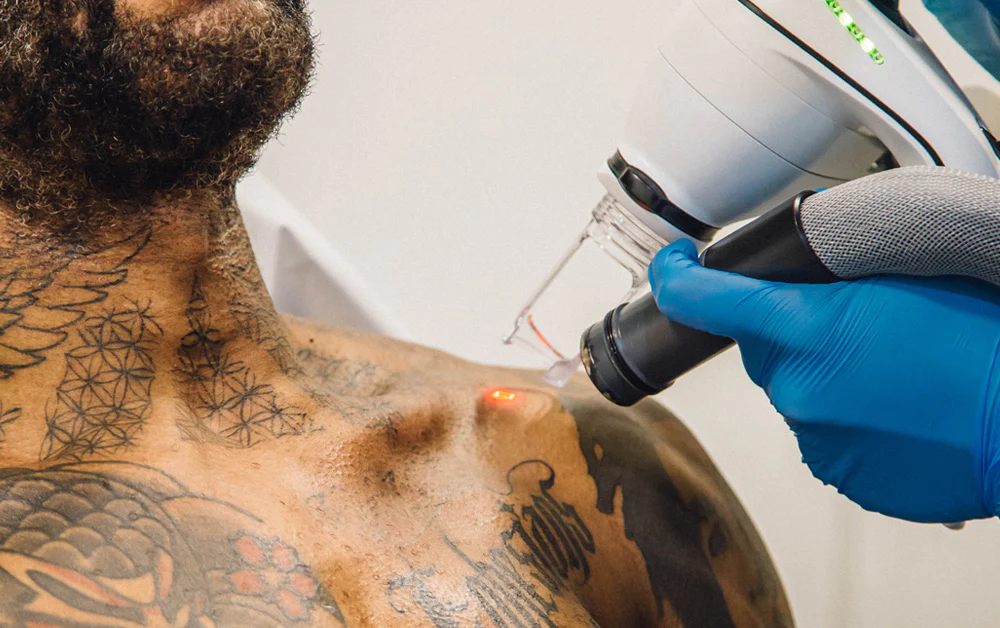
The most common way to zap away unwanted ink these days is with laser tattoo removal. And honestly, it's pretty darn cool science. Imagine tiny bursts of light, like super-focused, high-tech sunshine, breaking down those ink particles.
Must Read
How does it work? The laser energy is absorbed by the ink, and this makes the ink particles shatter into much smaller pieces. Your body's own amazing cleanup crew, your immune system, then steps in and sweeps away these smaller fragments. It's like nature's tiny janitors coming to tidy up!
But, and this is where the "hurt" part comes in, getting those ink particles to shatter isn't exactly a tickle fight. So, what does it feel like?
What's the Sensation Like?
This is the million-dollar question, isn't it? Most people describe the sensation of laser tattoo removal as a quick, sharp sting. Think of it like a rubber band snapping against your skin, but maybe a bit more intense. Some folks say it feels like being flicked with a hot, wet towel. Others compare it to a quick, hot pinch.

It's definitely not the same as getting the tattoo done. Tattooing involves needles repeatedly piercing your skin, which can be quite painful. Laser removal, on the other hand, is more about quick pulses of energy. The pain is usually localized to the area being treated, and it's over in seconds for each pulse.
The intensity of the feeling can really depend on a few things. Your individual pain tolerance, of course, plays a big role. What might feel like a mild discomfort to one person could be a bit more ouchy for another. It's like how some people can handle spicy food and others start sweating at the first bite!
The location of your tattoo also matters. Areas with thinner skin or more nerve endings, like your wrists, ankles, or ribs, might feel a bit more sensitive than areas with thicker skin, like your upper arm or thigh. Think of it like sensitive spots on your body – some areas are just naturally a little more prone to feeling things.

And then there's the tattoo itself! The size, colors, and age of your tattoo can influence how it feels. Older tattoos, or those done with certain types of ink, might respond differently to the laser, which can affect the sensation. Darker inks tend to absorb laser energy more readily, which can sometimes mean a more intense feeling.
Getting Ready for the Zap
To make the experience as comfortable as possible, there are a few things you can do. Before your appointment, it's usually a good idea to avoid sun exposure on the tattoo area. Sunburned skin is more sensitive, and you don't want to add to the discomfort!
Many clinics offer numbing creams. These are like a little magic potion you can apply to the skin beforehand to help dull the nerve endings. It’s like putting on a cozy blanket before a slightly chilly day. This can make a significant difference in how much you feel during the treatment.
During the session, the technician will often use a cooling device. This blows cold air onto the skin while the laser is working. It’s like an instant chill-out for your skin, helping to counteract the heat from the laser. So, while there's a sting, the cooling helps to provide some relief.
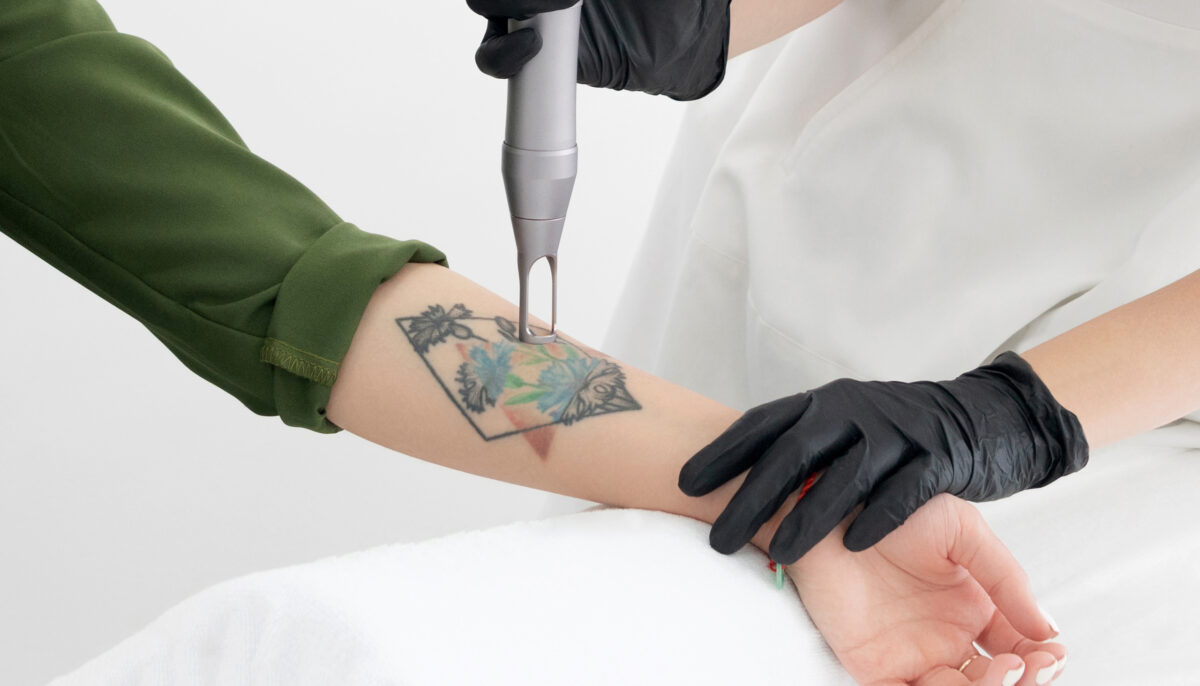
You might also be given protective eyewear, which is super important for your eyes. The laser is powerful, and safety first, always!
What Happens After the Zing?
Once the laser session is done, there’s usually a bit of redness and swelling. It might feel a bit like a sunburn. Your skin might be a little tender to the touch for a few hours or days, but it's generally manageable.
Aftercare is key, just like with getting a tattoo. You'll want to keep the area clean and moisturized. The technician will give you specific instructions, but generally, it involves avoiding harsh soaps, hot tubs, and direct sun exposure on the treated area.

It's also important to remember that tattoo removal is not a one-and-done deal. It typically takes multiple sessions to fade and remove a tattoo completely. The number of sessions needed depends on all those factors we talked about – the tattoo's size, color, age, and your skin type. Think of it like chipping away at a stubborn sculpture, little by little.
So, is it Worth It?
For many people, the answer is a resounding yes! While there's a degree of discomfort involved, it's usually temporary and manageable, especially with the help of numbing creams and cooling devices.
The thought of having your skin free from a tattoo you no longer love can be incredibly liberating. It’s like decluttering your life, but on your skin. And the technology these days is so advanced that complete removal is a very real possibility for many tattoos.
So, if you're weighing the options, don't let the fear of a little sting hold you back. It’s more of a… persistent prickle than an unbearable agony. And remember, you're always welcome to chat with a professional at a tattoo removal clinic. They can assess your tattoo, explain the process in detail, and give you a much clearer picture of what to expect for your specific situation. It's always good to get the inside scoop from the experts!