Can You Tile On Top Of Tiles
My Aunt Carol, bless her DIY-loving heart, once decided her kitchen backsplash desperately needed a refresh. Now, Carol’s a woman of… enthusiasm. She’d already tiled that same backsplash three times in as many years. This time, however, she had a new, slightly bewildering idea. “Why,” she’d pondered aloud, trowel in hand, “do I need to rip all this old tile off when I can just… tile on top of it?” My eyebrows practically performed an interpretive dance. I pictured her meticulously laying new tiles, each one a miniature raft on a choppy sea of grout. It was a visual I couldn’t shake.
And you know what? It got me thinking. It’s a question many of us have probably mumbled to ourselves while staring at a less-than-perfect tiled surface, whether it’s a tired bathroom floor or a faded kitchen wall. The temptation to skip the messy demolition and just slap on a new layer is real. So, let’s dive in, shall we? Can you actually, genuinely, and successfully tile on top of tiles? And if so, under what circumstances does this magical shortcut actually work, and when is it a recipe for disaster?
The Short Answer: Yes, But…
Okay, so the immediate, gut-level answer is yes, it’s possible. In fact, it’s a pretty common practice in some renovations. It’s often referred to as tile over tile or overlay tiling. Think of it like giving your old tiles a stylish new hat. Much less fuss, right? Way less dust. And let's be honest, who actually enjoys chiseling away old grout?
Must Read
But, as with most things that sound too good to be true, there are some significant “buts” to consider. It’s not as simple as just slapping some adhesive on and calling it a day. There are crucial preparation steps, material considerations, and even some aesthetic compromises you might have to make. So, before you channel your inner Aunt Carol and grab that bag of thin-set, let’s break down what you need to know.
When Overlay Tiling is Your Friend
There are definitely scenarios where tiling over existing tile is a fantastic and practical solution. It’s all about surface condition and structural integrity.
Firstly, the existing tile needs to be in solid condition. What does that mean? It means there are no loose tiles, no cracked tiles, and no significant lippage (where the edges of tiles aren't flush). If you can press down on a tile and feel it wobble, or if you can see visible cracks, you’re probably not going to have a good time tiling over it. The new tiles will just reflect all those imperfections, and worse, they might eventually loosen too.
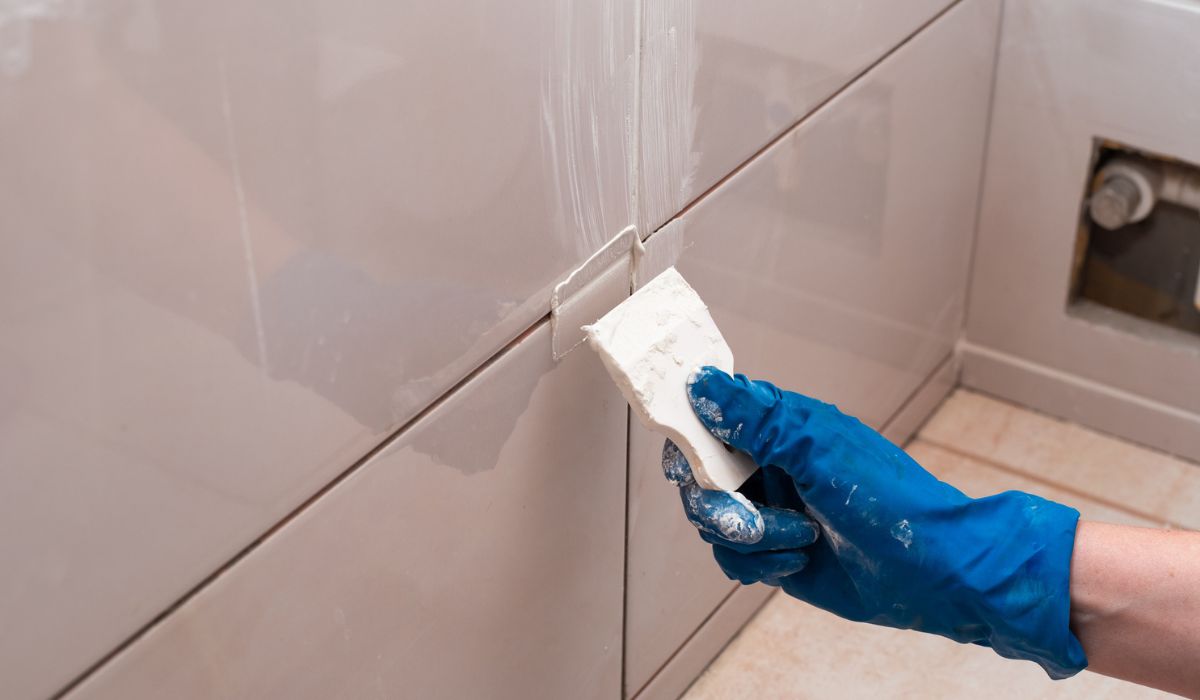
Secondly, the surface needs to be perfectly clean and free of any residue. We’re talking about soap scum, grease, old adhesive, paint – anything that could prevent the new adhesive from bonding properly. Think of it like trying to stick a sticker onto a greasy surface; it just won't hold. This is where the elbow grease (or a good scrubbing machine!) comes in.
Another key factor is the type of substrate. If your existing tiles are directly on concrete, for example, and the concrete is sound, that’s a generally stable base. However, if those tiles are on a less robust substrate, like particleboard that has seen better days, you might have issues. The weight of the new tiles could put too much stress on a weakened base.
And, of course, space is a consideration. Every layer you add means your floor or wall is getting thicker. On floors, this can be a big deal. Will your doors still open? Will your appliances fit? On walls, it's usually less of an issue, but you still need to think about door frames and cabinetry. This is where that little bit of extra thickness can start to cause headaches.
When to Walk Away (and Grab the Chisel)
Now, for the moments when Aunt Carol’s shortcut would likely end in tears (and a very expensive redo). If your existing tile is:
- Loose or cracked: As we mentioned, this is a non-starter. The new tiles will be doomed from the start.
- Uneven or has significant lippage: Imagine trying to lay a perfectly flat surface on a bumpy road. It’s not going to happen smoothly.
- Moisture-damaged or moldy: This is a big one, especially in bathrooms. You can’t just cover up a problem. That moisture will fester, and mold will spread, potentially becoming a serious health issue. You must address the underlying problem.
- On a questionable substrate: If the surface beneath the old tiles is soft, bowing, or generally unstable, adding more weight is just asking for trouble.
- Ceramic tiles over certain types of vinyl or linoleum: This can be a tricky combination. Sometimes, especially if the old flooring isn’t perfectly adhered or has a texture, the new tiles won’t bond well. Experts often recommend removing these types of old coverings.
Basically, if the existing tile surface looks like it’s had a rough life, or if you suspect underlying issues, it’s almost always better to go back to the drawing board. And by drawing board, I mean the subfloor. Sigh. I know, I know. The dust bunnies are calling your name.
The Preparation: The Unsung Hero of Tile Over Tile
If you’ve assessed your situation and decided that tiling over your existing tiles is the way to go, then you must pay serious attention to the preparation phase. This isn’t the fun part, but it’s arguably the most important part of the entire process. Get this wrong, and all your hard work installing those shiny new tiles will be for naught.
First up is cleaning. I cannot stress this enough. You need a spotless surface. This might involve scrubbing with a degreaser, using a mild acid cleaner (carefully!), or even a power washer if you’re doing an outdoor patio. Any hint of soap scum, grease, or old grout haze needs to be gone. And then you need to rinse thoroughly and let it dry completely. We’re talking bone dry.
Next, you need to ensure there’s a bonding agent or primer suitable for tiling over tile. Not all adhesives are created equal, and some surfaces might need an extra helping hand to create a strong bond. Your tile supplier or a good hardware store expert can advise you on the best products for your specific situation. They might recommend a universal primer or a specialized bonding agent that creates a microscopic “grip” for the new adhesive.

You might also need to roughen the surface slightly. For very smooth, glossy tiles, a light sanding can help create a better surface for the primer and adhesive to adhere to. Again, this isn’t about creating a rough texture, just removing any ultra-smooth sheen that might prevent a good bond. A fine-grit sandpaper or a scuff pad usually does the trick.
And let’s not forget lippage. If your existing tiles have even a slight bit of unevenness, you might consider a self-leveling compound. This is a cementitious product that you mix with water and pour over the surface. It flows into the low spots and dries to a perfectly flat surface, creating an ideal base for your new tiles. It’s a bit more work, but it can make a huge difference in the final finish.
The Materials Matter: Choosing Wisely
So, you’re ready to lay some new tiles. What should you choose? Well, there are a couple of things to consider when you’re tiling over existing tile.
Weight: You're adding weight. That means opting for lighter tiles is often a good idea, especially on walls or if you have any concerns about the structural integrity of the existing surface. Porcelain tiles, while gorgeous and durable, can be quite heavy. Consider ceramic tiles or even some of the newer, thinner porcelain options if weight is a concern.
Thickness: The thickness of the new tile matters too. Thicker tiles will exacerbate the issue of increased height. If you’re tiling a floor, remember that the new surface will be higher. This means potential issues with thresholds, appliances, and doors. Always consider the overall finished height.

Tile Adhesive: This is not the place to skimp. You need a high-quality tile adhesive specifically designed for overlay applications or for bonding to difficult surfaces. Look for products that offer excellent bond strength and flexibility. Your adhesive needs to be able to handle slight movements in the substrate without cracking.
Grout: While not directly related to tiling over tile, your grout choice will impact the final look and maintenance. For floors, an epoxy grout can be a good idea for durability and stain resistance, especially in high-traffic areas.
The Process: The Devil is in the Details
Assuming you’ve done your prep work, chosen your materials, and you’re feeling confident, let’s talk about the actual tiling process. It’s pretty much the same as tiling a fresh surface, but with that extra layer of awareness.
Apply the adhesive: Use your notched trowel to spread a consistent layer of adhesive onto the prepared surface. Don't spread too much at once, as it can start to dry before you lay your tiles. You want a nice, even coat with those tell-tale ridges.
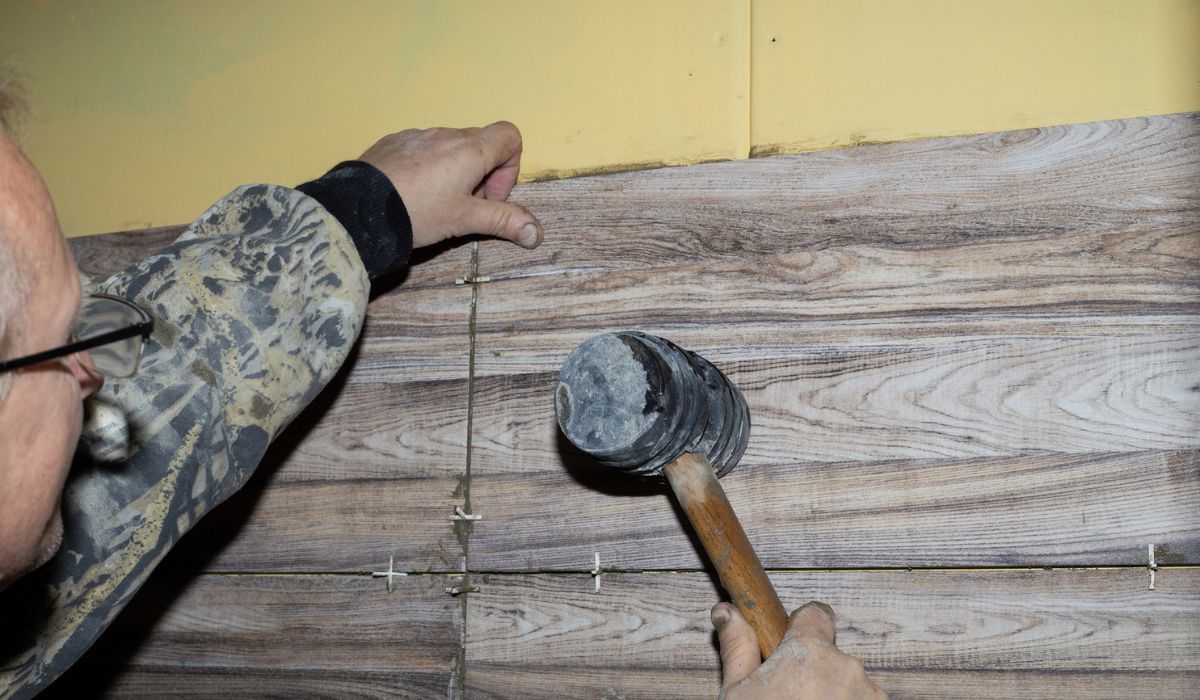
Lay the tiles: Place your tiles into the adhesive with a slight twisting motion. This helps to ensure good contact and fill the notches. Work in small sections, laying tiles according to your planned pattern. Use tile spacers to maintain consistent grout lines.
Check for level: As you lay each tile, or every few tiles, use your level to ensure they are flush with each other. This is where that smooth, prepped surface really pays off. If you notice any lippage, you can gently tap the high tile down with a rubber mallet, or carefully add a tiny bit more adhesive to a low tile.
Grouting: Once the tiles have set (check the adhesive manufacturer’s instructions, usually 24-48 hours), it’s time to grout. Mix your grout according to the instructions and spread it into the gaps using a grout float. Work diagonally across the tiles to push the grout in. Wipe away excess grout with a damp sponge, rinsing the sponge frequently.
Sealing: After the grout has cured, you’ll want to seal it. This protects the grout from stains and moisture. Again, follow the product instructions for application and drying times.
The Expansion Joint: One crucial detail often overlooked in overlay tiling, especially on floors, is the need for expansion joints. Because you’re adding a new layer of material, the old and new layers can expand and contract at slightly different rates with temperature changes. This can create stress and cause tiles to crack or loosen. You might need to incorporate small expansion joints around the perimeter of the room and at key transition points. These are typically filled with a flexible sealant, not grout. Consult with a professional if you're unsure about this.
The Verdict: Is It Worth the Risk?
So, can you tile on top of tiles? Yes, absolutely. It can be a fantastic time and money saver if done correctly. It can breathe new life into tired spaces and save you from the dust and mess of demolition.
However, it’s not a universal solution. It requires careful assessment, meticulous preparation, and the right materials. If there are any doubts about the condition of the existing tile or the substrate beneath it, it’s always best to err on the side of caution and start from scratch. Your future self (and your wallet) will thank you for it.
Ultimately, the decision to tile over tile is a balancing act between convenience and longevity. If you’re armed with the right knowledge and willing to put in the effort for proper prep, you can achieve a beautiful, lasting result. Just remember Aunt Carol and her enthusiastic trowel – sometimes, a little bit of extra caution goes a long way!