
Can You Put Hot Water In Glass

So, you're staring at a steaming mug of tea. Or maybe it's boiling water for your fancy instant ramen. And then BAM! You think, "Can I pour this hot stuff into my glass?" It's a question that pops into your head, right? We've all been there. It’s like a little scientific mystery playing out in your kitchen.
Let's break it down. It's not a simple yes or no. It's more of a "well, it depends!" kind of situation. Think of glass like a sensitive diva. It can handle a lot, but sometimes it needs a little gentle persuasion. And extreme temperature changes? That's like a sudden costume change for a diva. It can be a bit… much.
The Glassy Situation
Here’s the deal: glass isn't just one thing. It's a whole family of materials. Most of the glass you see every day? That’s soda-lime glass. Think your drinking glasses, windows, that cute jar your jam came in. This stuff is pretty common. It’s also pretty… sensitive to big temperature swings.
Must Read
When you pour hot water into a cold glass, the inside of the glass heats up super fast. But the outside? It’s still chilling. This causes the glass to expand. But it expands unevenly. The inside is going "Yay, warm!" and the outside is like, "Whoa, slow down, dude!" This uneven expansion puts stress on the glass. And stress, my friends, can lead to a little… crack.
Imagine a tightly packed crowd. If one section suddenly gets way bigger, the whole thing gets a bit squished and wobbly. That’s kind of what happens to the glass. It's science! But don't worry, it's not like every single glass will explode. It's more of a statistical chance.
Quirky Fact Alert!
Did you know that the ancient Romans were HUGE fans of glass? They made all sorts of things with it. From bottles to bowls. And they probably dealt with this exact same hot water dilemma. Imagine them, gathering around a crackling fire, pouring mulled wine into their goblets, and hoping they didn't hear that dreaded ping!
When Can You Go For It?
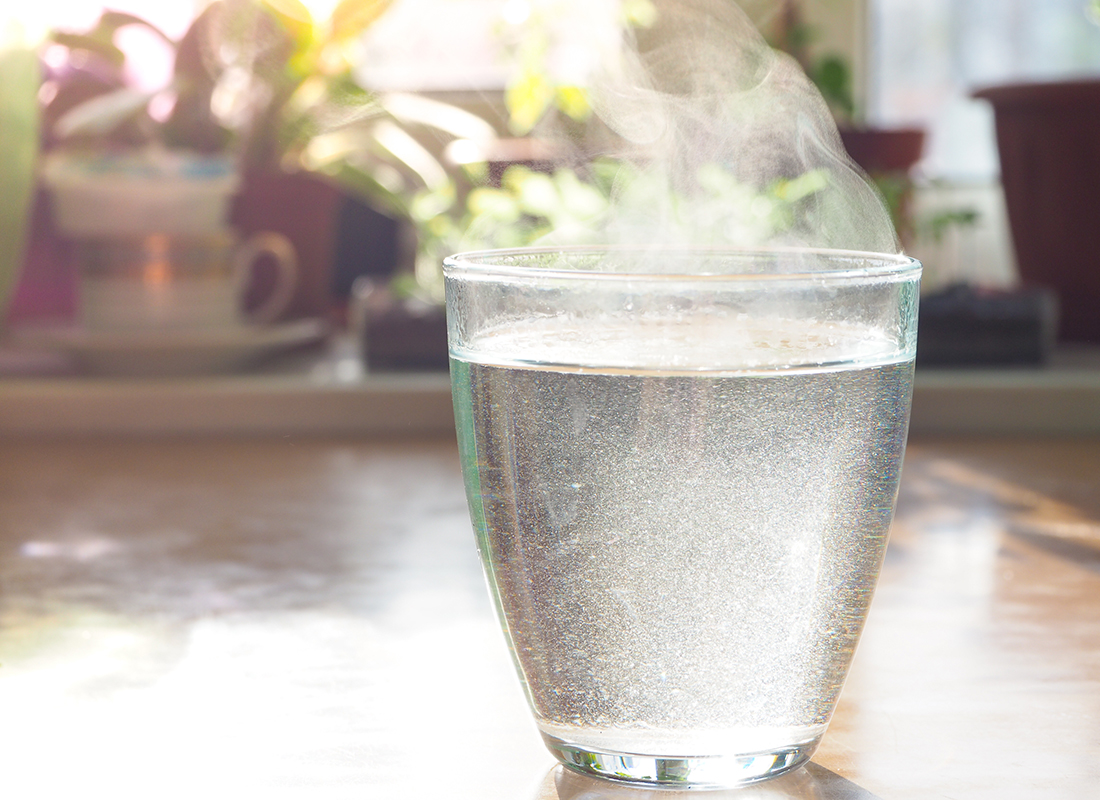
Okay, so if you're just casually pouring warm tea into a room-temperature glass, you're probably fine. It's the sudden, drastic temperature difference that’s the enemy. Think boiling water (like 212°F or 100°C) hitting a glass that's been sitting in a cold room. That’s a recipe for potential disaster.
But what about those fancy glasses? The ones that look super thin and elegant? Those are often made from borosilicate glass. This is the superhero of the glass world. Think Pyrex, laboratory beakers, and those cool pour-over coffee makers. Borosilicate glass is way better at handling temperature changes. It's designed to withstand rapid heating and cooling without freaking out.
So, if your glass is labeled "heat-resistant" or "borosilicate," you’ve got a much better chance of getting away with it. It’s like giving your diva a designer outfit that’s meant for all sorts of events. She can handle the heat!
Funny Detail Incoming!
I once saw a YouTube video (because where else do you get your critical life information, right?) where someone tried to make a DIY project with a glass jar and hot glue. Let’s just say the hot glue was the least of their worries. The jar… well, it decided to become abstract art. It was a good reminder that not all glass is created equal. And sometimes, science is just plain dramatic.
The "Pre-Heating" Trick
Want to be a glass-handling ninja? There’s a little trick you can do. It’s called tempering or pre-heating. Before you pour that boiling water, just rinse your glass with some warm water. This brings the glass up to a more moderate temperature. It’s like easing your diva into the spotlight. A gentle introduction.
This small step significantly reduces the thermal shock. The temperature difference between the hot water and the glass is much less extreme. It’s like going from a warm bath to a slightly warmer bath, instead of jumping into an ice bucket and then a sauna. Much more comfortable for everyone involved. And by "everyone," I mean the glass.

What Happens If It Cracks?
So, let's say you try it, and you hear that terrifying little crack sound. Don't panic! Most of the time, it's just a hairline fracture. It might not even be visible. But that crack is a weak spot. Over time, it can spread. And eventually, the glass could break completely. So, if you suspect your glass has a crack, it's probably best to retire it from service.
Think of it like a tiny leak in your favorite pair of shoes. It might be okay for now, but it’s going to get worse. And nobody wants a sudden glass-related mishap. Especially not when you’re trying to enjoy your cuppa. Safety first, my friends!
Why Is This Even Fun?
Honestly? Because it’s a little slice of everyday science. It’s something we encounter without really thinking about it. And the idea that a simple glass has its own little personality, its own breaking point, is kind of charming. It’s a reminder that even the most ordinary objects have a story and some underlying physics.
Plus, who doesn’t love a good "what if" scenario? What if I pour boiling water into this? What if it explodes? (Okay, maybe don’t encourage that one). It’s the thrill of the unknown, even if the unknown is just a potentially cracked mug. It makes us feel a little bit like mad scientists, without the lab coats and bubbling beakers. Mostly.
The Takeaway
So, can you put hot water in glass? Yes, but be mindful. For everyday drinking glasses, stick to warm or hot, but not boiling, water, especially if the glass is cold. If you have borosilicate glass (like Pyrex), you have a lot more leeway. And that pre-warming trick? It’s your secret weapon for happy glass.
It’s all about understanding the material. Glass is cool, it’s versatile, and it’s a little bit delicate. Treat it with respect, and it’ll serve you well. And if it does decide to rebel? Well, at least you’ll have a good story to tell. A story about the day you challenged the limits of your drinking vessel. And lived to tell the tale. Or, you know, just had to buy a new glass. Either way, it's a learning experience!

