Why Is My Windscreen Frozen Inside
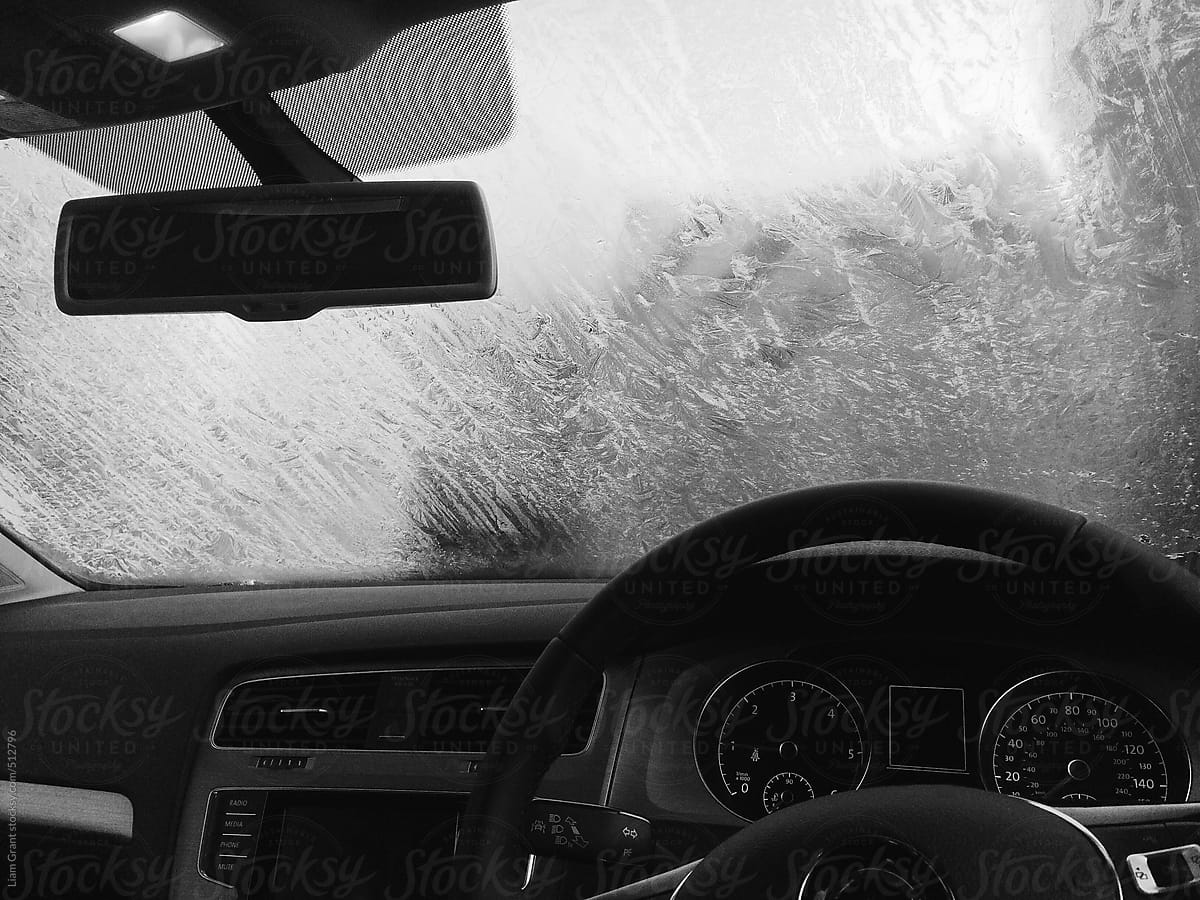
So, you’ve just stumbled out of your cozy, toasty abode, ready to conquer the day, only to be met by… frost. On the inside of your windscreen. Your car looks like it’s auditioning for a role in a very dramatic ice sculpture competition. You’re thinking, “Did I accidentally sleep in a walk-in freezer? Did a rogue snowman decide to redecorate?”
Let’s be honest, it’s a bit of a mind-bender, isn’t it? We’re used to the outside world throwing frosty tantrums. But inside? That’s like finding your socks frozen in your sock drawer. Utterly perplexing and, frankly, a bit rude.
First off, take a deep breath. You’re not losing your marbles, and your car hasn't joined the Arctic expedition team without telling you. This phenomenon, my friends, is all about the sneaky science of condensation and temperature differences. Think of it as nature’s way of playing a prank, albeit a slightly chilly one.
Must Read
The Great Inside-Out Ice Caper
Imagine your car’s interior as a tiny, sealed ecosystem. It’s full of… well, you. And your breath. And maybe that half-eaten bag of crisps from last week. All of these things contribute moisture. Your breath, especially, is basically a personal humidifier, except it’s powered by your lungs and the urgent need to complain about the cold. Every time you exhale, you’re essentially puffing out tiny water droplets into the air inside your car.
Now, the car’s interior is usually warmer than the outside air, right? Especially when you’ve just been in it or the sun has been beating down. But when the outside temperature plummets, that glass windscreen becomes a superhighway for heat to escape. It’s the coolest surface in your car, like the bouncer at a very exclusive, very cold party.
So, what happens when your warm, moist breath (or other moisture from, say, wet coats or damp floor mats) meets this super-cooled glass surface? Voila! Condensation! The water vapor in the air cools down rapidly as it hits the glass, turning back into liquid water. It’s like a tiny water party happening right there on your windscreen.

And Then Comes the Freeze!
But here’s where the plot thickens and the ice crystals start to form. If it’s cold enough outside, that layer of condensation doesn’t just stay as a misty film. Oh no. It freezes. Because, as we’ve established, your windscreen has become the Arctic tundra’s VIP lounge.
It’s like leaving a glass of water out on a very cold night. Eventually, it’s going to freeze. Your car’s interior, when it’s cold enough and humid enough, becomes a miniature, portable freezer compartment, with the windscreen being the prime real estate for frost formation.
And it’s not just your breath! Think about all the moisture we track into our cars. Wet shoes, snowy jackets, the damp umbrella you forgot to shake out properly. All of that water slowly evaporates inside your car, creating a humid little microclimate. This is especially true if you have a car cover that traps moisture or if your car isn't perfectly sealed.

The Role of the Car Interior’s “Breathability” (or Lack Thereof)
Modern cars are pretty good at sealing themselves off from the elements. Which is great for keeping the rain out, but not so great when you’re trying to let moisture escape from the inside. It’s like a perfectly insulated thermos – keeps the good stuff in and the bad stuff out, but also traps that pesky humidity.
Think of it this way: your car’s interior is like a small, enclosed room. If you were to breathe heavily in a small, unventilated room on a cold day, you’d see condensation on the windows. Your car is just a really well-insulated, mobile version of that room. A very expensive, very shiny little room.
This is why you often see more of this internal frosting after a night where the temperature has dropped significantly and you've used the car recently, meaning there’s residual warmth and moisture inside. The combination of a sealed environment, leftover moisture, and frigid external temperatures is a recipe for internal frost.
Surprising (and Slightly Annoying) Facts
Did you know that even a tiny bit of moisture can lead to a lot of frost? We’re talking about grams of water that can transform into a frosty wonderland. It’s like a microscopic ice age happening on your glass.

And here’s a kicker: the cleaner your windows are on the inside, the easier it is for frost to form. Why? Because dirt and grime provide tiny little nucleation sites – little anchor points for water molecules to grab onto and start forming ice crystals. So, paradoxically, a slightly smudged windscreen might actually be less prone to internal frosting. Who knew being a little bit messy could be a good thing? Don't go deliberately smudging your windows though, that's just counterproductive.
Also, if you have a sunroof or any leaks, that can contribute to internal moisture. A car that’s been sitting in damp weather for a while can become a veritable moisture-breeding ground. It’s like a tiny, personal swamp on wheels, just waiting for winter to strike.
So, What’s a Frosty Fellow to Do?
Don’t despair! There are ways to combat this frosty fiend. Firstly, ventilation is key. Leaving your windows slightly cracked open overnight (if it’s safe and practical to do so) can help equalize the temperature and moisture levels between the inside and outside. It’s like giving your car a little bit of fresh air to breathe.

Secondly, reduce moisture inside your car. Shake off wet clothes and umbrellas before you get in. Use good quality floor mats that absorb moisture and dry them out regularly. And for goodness sake, if you spill your coffee, clean it up promptly! Your car’s interior is not a sponge for your beverage mishaps.
Thirdly, consider an anti-fog treatment for your interior windows. These can create a barrier that makes it harder for condensation to form. Think of it as giving your windscreen tiny little invisible wellies.
And of course, the classic: run your car’s defroster. It’s designed to heat the windscreen and blow air, both of which are excellent at melting that pesky internal frost. It might feel like an eternity when you’re shivering, but that warm air is your hero.
So next time you’re greeted by the sight of your windscreen looking like it’s been kissed by Jack Frost himself, remember: it’s just science, a bit of moisture, and a very chilly night playing tricks on you. Now, if you’ll excuse me, I think my car is inviting me to a snowflake-building competition.