Why Is Hayfever Worse At Night
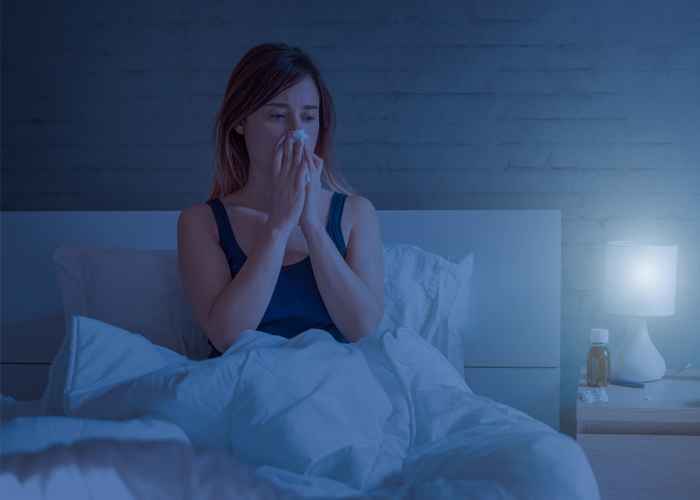
Oh, the joys of allergy season! You’ve made it through the day, battled the pollen outside with your trusty tissues and antihistamines, and finally, you’re ready for some glorious, uninterrupted sleep. Or… are you? Because just as you drift off, it hits you. The tickle in your throat, the sniffles that just won’t quit, the relentless urge to sneeze. Yep, you’ve entered the nighttime allergy zone, and suddenly, your bed feels less like a sanctuary and more like a pollen-filled battlefield. Sound familiar? Don't worry, you're definitely not alone in this nightly struggle!
It's a bit of a cruel trick, isn't it? You think you've escaped the pollen, but then BAM! The symptoms ramp up when you’re trying to catch some much-needed Zzzs. So, what gives? Is the pollen secretly having a late-night rave in your bedroom? Well, not exactly, but there are some super interesting (and let's be honest, slightly annoying) reasons why your hayfever seems to declare war on your slumber.
The Great Indoors: Your Cozy Trap
Think about it: during the day, you’re out and about. The wind might be blowing pollen around, but you’re also moving. You’re breathing in air that’s constantly being refreshed, and you’re hopefully not spending hours lying flat on the ground. But at night? Ah, at night, things change dramatically. You’re tucked away indoors, usually in your bedroom, and this is where the magic (or, ahem, misery) happens.
Must Read
Your bedroom, while wonderfully cozy, can become a bit of a pollen trap. Think about all the surfaces: your curtains, your carpets, your bedding, even your clothes from the day. All of these can become little pollen hotels, collecting microscopic hitchhikers. And when you’re lying down, especially for extended periods, you’re essentially bringing your nose closer to all these accumulated allergens. It’s like you’ve invited them over for a sleepover, and they’ve brought all their pollen pals!
And let’s not forget those lovely indoor plants or even that pet who’s always snuggling up to you on the sofa. While wonderful companions, they can also be carriers of pollen or other allergens that love to settle in your personal sleeping space. It’s a conspiracy, I tell you!
The Wind Down: Your Body's Own Little Drama
But it’s not just about where you are; it’s also about what your body is doing. As the day winds down and you prepare for sleep, your body undergoes some pretty significant changes. One of the most important is the shift in your hormonal balance. Your body produces natural anti-inflammatory hormones, like cortisol, which tend to be higher in the morning and decrease as the day goes on.

This means that as you get closer to bedtime, your body’s natural ability to fight off inflammation from allergens might be a little… well, less enthusiastic. It’s like your internal defense system is hitting the snooze button just when the pollen decides to launch its offensive. Annoying, right? You need that fight-or-flight response to be on HIGH alert when pollen is around, not winding down for a nap!
Furthermore, when you’re upright during the day, gravity helps to drain some of the mucus and allergens from your nasal passages. But when you lie down, everything kind of pools. Suddenly, those tiny bits of pollen and irritants that were just hanging out are now sitting pretty right where they can cause maximum mischief. It’s a traffic jam of tickles!
The Sneezing Symphony: Why Sleep Becomes a Spectacle
And then there’s the actual act of sleeping. When you’re sleeping soundly (or trying to!), your breathing pattern changes. You tend to breathe more through your nose. If that nose is already irritated by pollen, dust mites, or pet dander, this increased nasal breathing can lead to a cascade of symptoms. The delicate lining of your nasal passages gets even more exposed to whatever nasties are lurking.

Think of it like this: if you have a tiny scratch on your hand, you might not notice it much when you’re busy typing or cooking. But if you were to keep rubbing that scratch all night long, oh boy, would you feel it! Your nasal passages are the same. During sleep, they’re more exposed, and any irritation is amplified. It’s a recipe for a symphony of sneezes, sniffs, and maybe even a little bit of nose-honking.
The lack of constant blinking and swallowing can also contribute. During the day, we blink away irritants from our eyes and swallow to clear our throats. While you can still swallow in your sleep, it’s not as constant. This means those allergens have more time to stick around and cause trouble, making your eyes itch and your throat feel scratchy.
Turning the Tables: Making Your Nights More Fun (Yes, Really!)
Okay, so it sounds a bit grim, doesn’t it? But here’s the exciting part: understanding why this happens is the first step to winning the nighttime allergy war! And trust me, there are ways to make your nights more enjoyable, even during peak pollen season. It’s all about a little bit of strategic planning and some savvy adjustments.

First off, let’s talk about that pollen trap. You can become a master of your bedroom domain by being proactive. Consider investing in a good quality air purifier for your bedroom. These little marvels can suck up allergens from the air, giving your nasal passages a break. Plus, a good air purifier often comes with a quiet setting, so it won’t interrupt your sleep – it’ll actually help it!
Regularly cleaning your bedroom is also key. Vacuuming carpets, dusting surfaces, and washing your bedding in hot water can make a huge difference. Think of it as a nightly ritual of allergy-busting zen. And if you have pets, try to keep them out of the bedroom, or at least give them a good brush outside before they come in.
Managing your allergies before you hit the hay is also crucial. Taking your antihistamines a bit earlier in the evening, or using a nasal spray as recommended by your doctor, can help to calm down your system before it gets into bed. It’s like giving your body a pre-emptive strike against those sneaky pollen invaders.

And when it comes to comfort, consider using hypoallergenic bedding. These materials are designed to resist dust mites and other allergens, creating a more welcoming environment for your sleep. A good quality pillow that supports your head and neck can also help with breathing, and some even come with cooling properties which can feel amazing when you're feeling a bit hot and bothered.
Embrace the Knowledge, Embrace the Sleep!
So, the next time you find yourself battling those nighttime sniffles, remember that you’re not a victim of some mysterious nighttime curse. You’re a savvy individual who’s learning the intricate dance between your body, your environment, and those pesky allergens. And with that knowledge, you’re empowered to make changes!
This isn’t just about surviving allergy season; it’s about reclaiming your nights and rediscovering the joy of deep, restorative sleep. Imagine waking up feeling refreshed, energized, and ready to take on the day, instead of groggy and congested. It’s totally achievable!
So, dive deeper! Research different air purifiers, explore hypoallergenic bedding options, talk to your doctor about personalized allergy management strategies. The more you learn, the more control you’ll have, and the more fun you can have by ensuring your sleep is a blissful escape, not a battleground. Here’s to a night of peaceful slumber, and waking up with a smile!