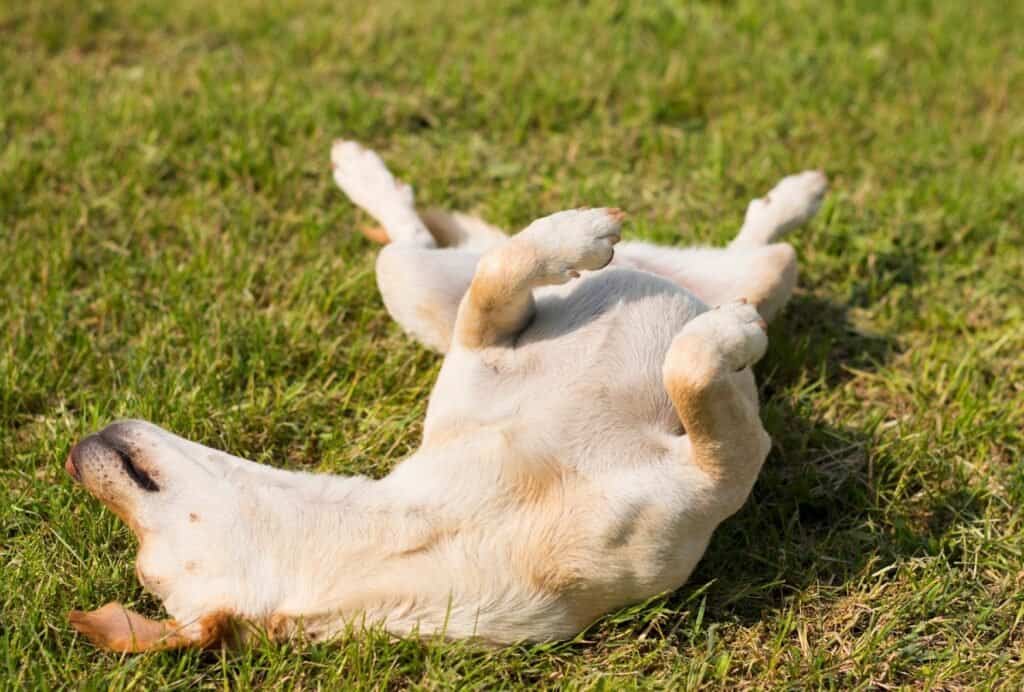
Why Does My Dog Roll In Poop
Ah, the age-old mystery that has baffled and, let's be honest, slightly disgusted dog owners for generations. Your beloved canine companion, a creature of such apparent sophistication, suddenly decides to adorn themselves with the fragrant offerings of another animal. Why, oh why, does your dog roll in poop? It’s a question that’s likely crossed your mind more than once, and the good news is, it’s not just a sign of a particularly peculiar pup, but rather a behavior rooted in some fascinating, and surprisingly practical, canine instincts.
To understand this rather pungent pastime, we need to step back into the wild, woolly world of our dogs' ancestors. For wolves and other wild canids, rolling in strong-smelling substances, including feces, was a crucial form of communication and camouflage. Think of it as a canine cologne. By rubbing themselves in the scent of prey or other animals, they could mask their own scent, making it harder for potential prey to detect them. This was a vital survival tactic, especially for hunters. It also served as a way to spread information. Imagine a wolf marking its territory with its scent; another wolf encountering that spot might then roll in it to bring that information back to its pack, letting them know about the presence of another group or a potential food source.
So, while your Fido might not be hunting wild boar in the backyard, these ancient instincts are still very much alive. It’s a way for them to express themselves, to gather information, and to even feel a sense of connection to their wild heritage. It's less about being dirty and more about being a dog! In a way, it's a natural form of scent enrichment for them. They are essentially covering themselves in a complex olfactory tapestry, a newsletter for their noses.
Must Read
While we don't typically use doggy poop-rolling in formal education, understanding this behavior can significantly improve our daily interactions with our pets. For instance, recognizing this instinct helps us interpret their actions and not simply punish them for what they perceive as a normal, even beneficial, activity. It allows us to be more empathetic and less frustrated. It’s a valuable piece of the puzzle in understanding canine psychology.
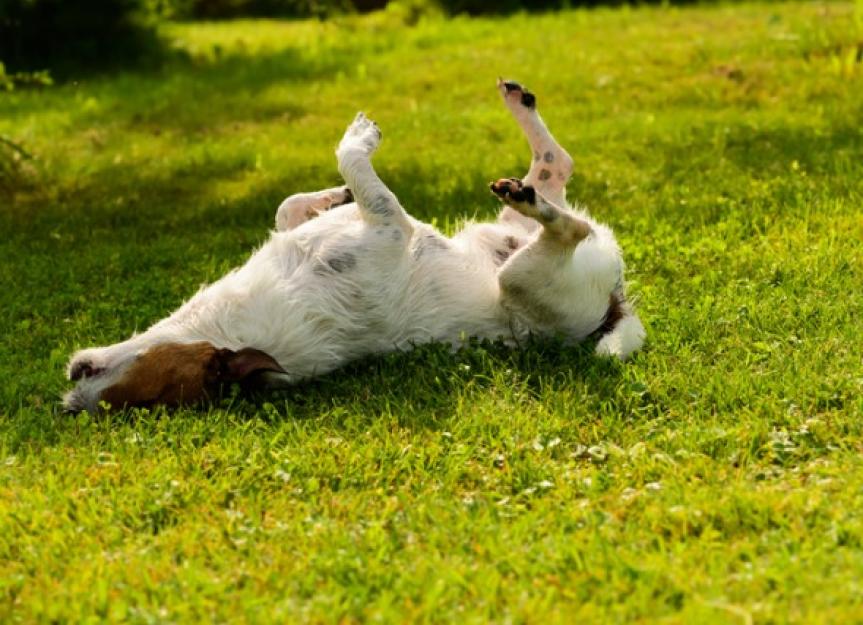
For those curious to explore this further, you don't need to go searching for fresh deposits! Simply observe your dog when you're out on walks. Do they seem particularly drawn to certain smells? Do they linger around areas where other animals have been? You can also learn more by watching nature documentaries about wolves and other wild canids. If you're looking for practical tips, the key is management rather than eradication. If your dog has a penchant for this particular scent adventure, ensure they are on a leash in areas where you’d rather they didn’t indulge. Regular bathing and grooming can help mitigate the smell, but remember, it’s a natural behavior, and trying to completely suppress it might not be the most fulfilling for your dog.
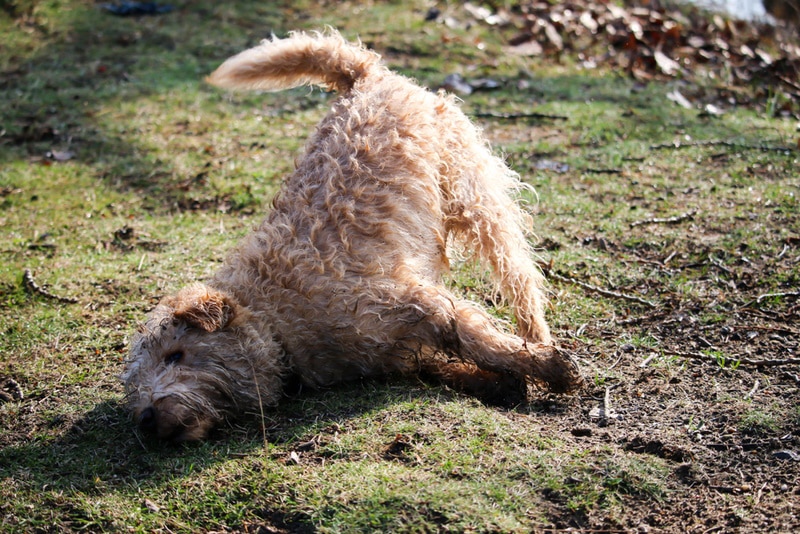
Ultimately, the next time your dog decides to have a roll in the grass (or something less savory), take a moment to appreciate the ancient instincts at play. It’s a quirky, somewhat messy, but undeniably fascinating window into the wild heart of your domesticated friend. Embrace the curiosity, and you might just find yourself looking at your dog – and their less-than-ideal scent choices – in a whole new light.