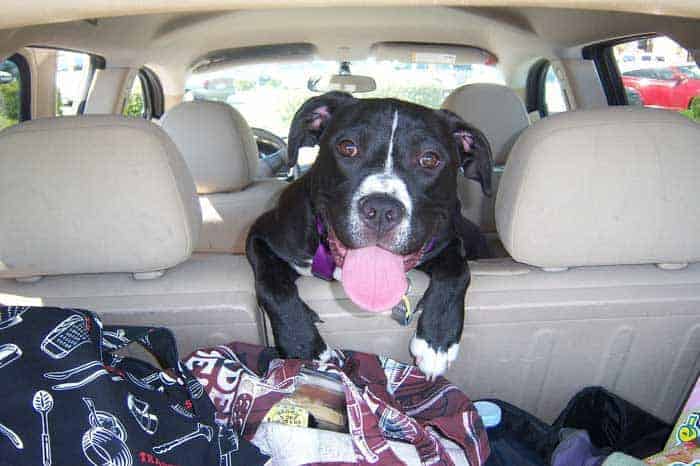
Why Do Dogs Pant In A Car

Ah, the open road! There’s something truly invigorating about hitting the highway, wind in your hair, music playing, and the promise of adventure just around the bend. Whether it’s a spontaneous weekend getaway, a planned vacation, or simply a scenic drive to clear your head, car rides are a cornerstone of modern life. They connect us to loved ones, introduce us to new places, and offer a welcome escape from the everyday hustle. And for many of us, these journeys are made even better with a furry co-pilot by our side, gazing out the window with an expression that’s a delightful mix of excitement and… well, panting!
Yes, you’ve seen it. That tell-tale rhythmic breathing, tongues lolling out, tails giving a tentative thump. It’s the universal sign of a dog enjoying (or perhaps enduring!) a car ride. But why exactly do our canine companions pant so much when they’re on four wheels? It’s not just for dramatic effect, though it certainly adds to the charm! The primary reason is temperature regulation. Unlike humans, who have a vast network of sweat glands all over their bodies, dogs primarily cool themselves through panting. When a dog pants, they are essentially using evaporation to dissipate heat from their bodies.
Think of it like this: when a dog’s body temperature starts to rise, their brain signals for them to pant. The rapid breathing increases airflow over their tongue, mouth, and lungs. As saliva evaporates from these moist surfaces, it draws heat away from the body, helping to cool them down. Cars, especially on sunny days or when stationary, can quickly become very hot environments. Even on a mild day, the enclosed space can trap heat, leading to an increase in a dog's body temperature. Therefore, their panting is a crucial physiological response to prevent overheating. It’s their natural air conditioning system working overtime!
Must Read
Beyond just cooling down, panting can also be a sign of a dog’s excitement and anticipation. Many dogs associate car rides with positive experiences, like going to the park, visiting friends, or embarking on a fun adventure. This heightened emotional state can also increase their heart rate and breathing, leading to more pronounced panting. So, that panting might just be a happy bark in canine disguise, saying, "Are we there yet? I'm so excited!"
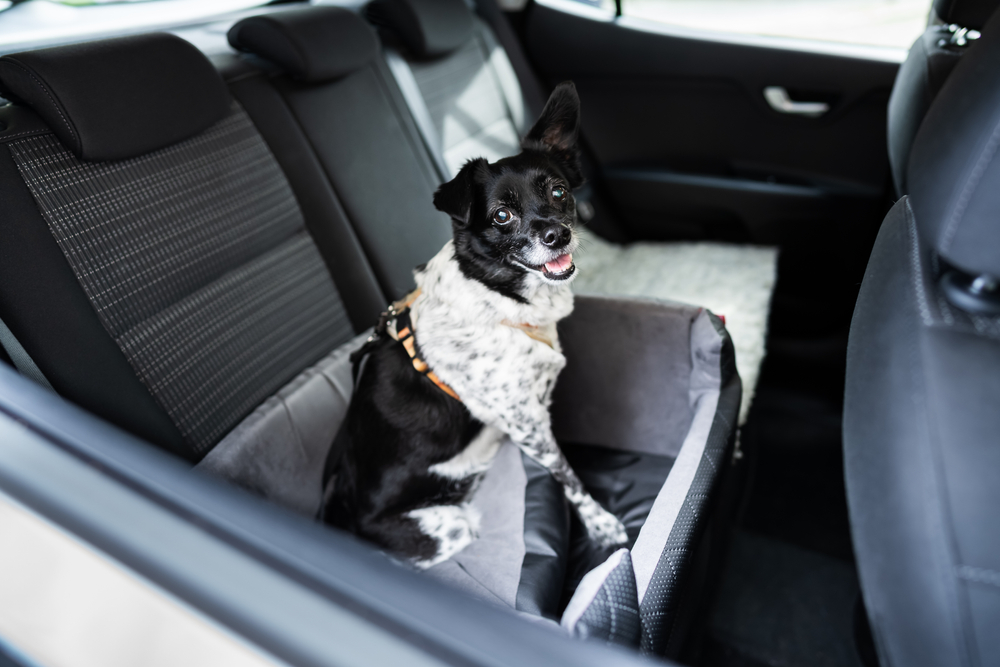
Now, while panting is normal and essential, it’s important to be aware of when it might indicate a problem. Excessive, frantic panting, accompanied by lethargy, drooling, or distress, could be a sign of heatstroke, a serious medical emergency. Always ensure your dog has access to fresh water and never, ever leave them unattended in a car, even for a short period.
To make car journeys more enjoyable for both you and your panting pal, here are a few practical tips:
- Hydration is key: Offer water before and during the trip, especially on longer drives. A collapsible water bowl is a lifesaver!
- Ventilation: Crack open windows (safely!) to allow for fresh air circulation. This helps reduce the interior temperature and makes the experience more pleasant.
- Acclimation: If your dog is new to car rides, start with short, positive trips. Gradually increase the duration as they become more comfortable.
- Comfort is paramount: Ensure they have a comfortable place to sit or lie down, perhaps with their favorite blanket or toy.


![Why Do Dogs Pant in the Car? - [Vet Explains Pets]](https://vetexplainspets.com/wp-content/uploads/2020/05/edited-why-do-dogs-pant-in-the-car-2-of-4.jpg)