Why Do Dogs Eat Their Throw Up
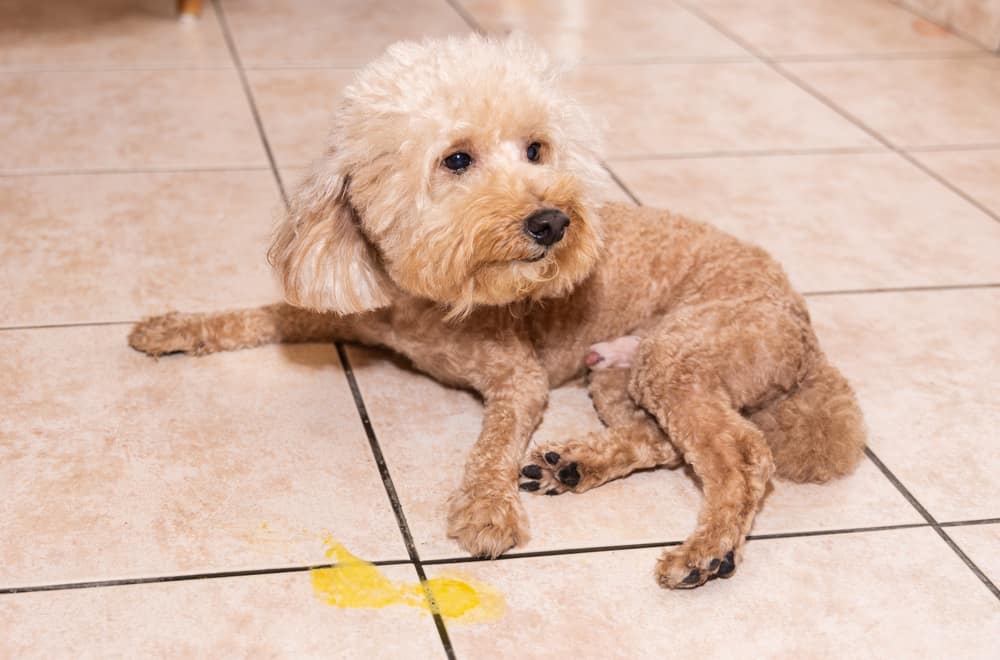
Ah, the joys of dog ownership! From the ecstatic tail wags that greet you at the door to the comforting weight of a furry head on your lap, our canine companions bring an immeasurable amount of happiness into our lives. They're our furry shadow, our confidantes, and sometimes, our resident comedians. And speaking of comedy, let's talk about a rather… unconventional aspect of their charm: the occasional, yet undeniably perplexing, act of eating their own vomit. Yep, you read that right. It’s a moment that can make even the most seasoned dog parent pause, scratch their head, and wonder, "What in the world is going on in that adorable brain?"
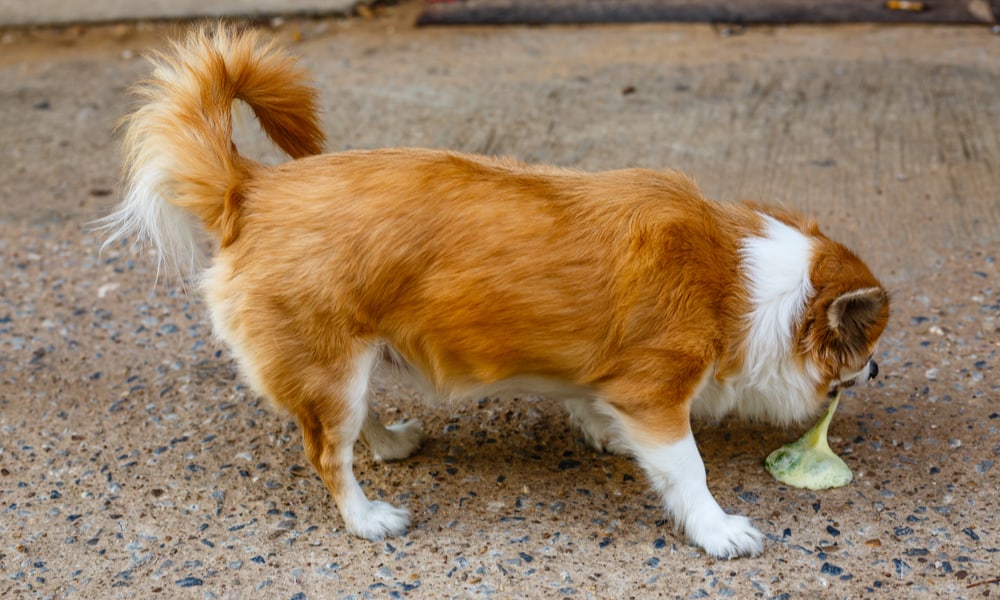
It's a scene that's likely played out in countless homes. You're relaxing, perhaps scrolling through Instagram or enjoying a quiet cup of coffee, when suddenly, your dog lets out a little hork. A moment later, they're casually turning around and… well, cleaning up the evidence. For us humans, it’s a visceral reaction. We might gag, cringe, or frantically search for paper towels. But for our dogs? It’s often as nonchalant as taking a sip of water. So, let’s dive into this peculiar canine habit, uncovering the 'why' behind the regurgitated buffet.
It’s Not About Taste, It’s About Instinct
The first thing to understand is that your dog isn’t doing this out of some twisted sense of gourmet enjoyment. This behavior is deeply rooted in their ancestral instincts. Think about it: in the wild, resources are often scarce. Every bit of nourishment counts. Wolves, the wild ancestors of our domesticated pups, would often regurgitate partially digested food for their pups or pack members. This was a vital way to share food and ensure everyone, especially the young and old, got the calories they needed.
Must Read
So, when your dog eats their throw-up, they’re not necessarily savoring the flavor. They might be doing it because their body is telling them that there's still something potentially valuable in that partially digested mess. It's a throwback to a time when leaving any food behind was a risky proposition. It’s a survival mechanism, plain and simple, even if it seems a bit… gross to our modern sensibilities.
The Maternal Instinct Connection
Another fascinating layer to this behavior can be traced back to maternal dogs. Mother dogs will often eat their puppies’ vomit and feces. Why? Again, instinct plays a huge role. By cleaning up their puppies' waste, they're doing a few crucial things: keeping the den clean and odor-free to avoid attracting predators, and in the case of vomit, ensuring that the puppies get any undigested nutrients that might have been expelled.
This behavior can persist even after a dog is no longer a mother. It’s a learned behavior, a deeply ingrained instinct that becomes part of their repertoire. So, if your dog is a female who's recently had puppies, this might be a more pronounced behavior. But it’s not limited to moms! Many dogs, male and female, exhibit this behavior for other reasons.
"Did I Mess Up? Better Fix It!"
This is where the human element, or rather, our reaction, can sometimes play a part. Dogs are incredibly attuned to our emotions and actions. If your dog throws up and you immediately react with alarm, panic, or even a disgusted “Eww!” your dog might interpret that as you being upset about the mess. In their eyes, they’ve made a mistake, and the most logical thing to do is to clean it up.
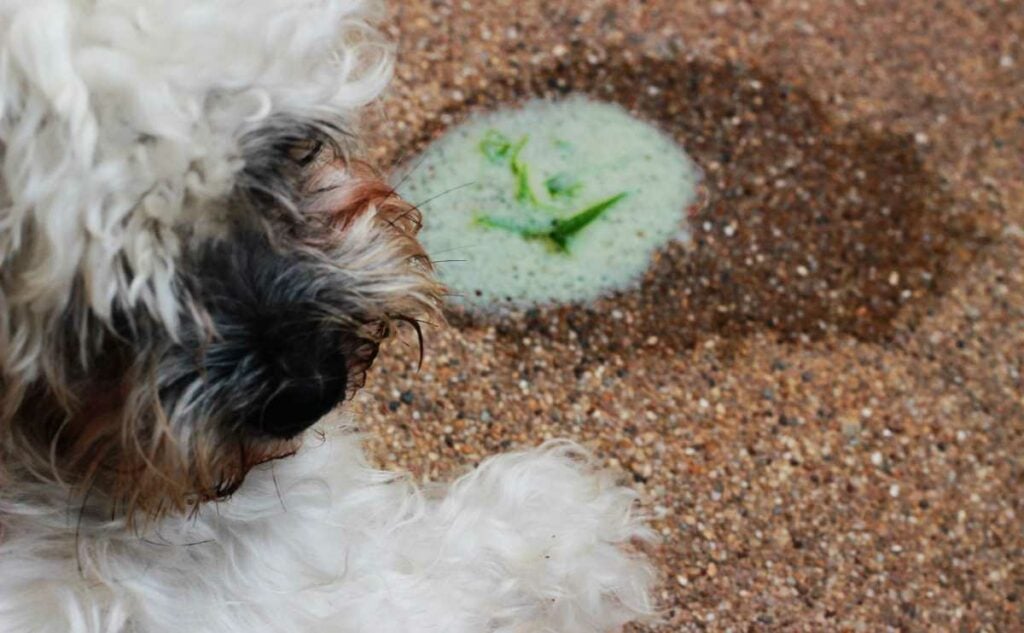
They might be thinking, "Oh no, I dropped food! I’d better eat it before someone gets mad at me." This is especially true if you tend to scold your dog when they have accidents in the house. They're trying to avoid punishment and make the problem disappear as quickly as possible. It’s a learned association: vomit equals a mess, and a mess equals potential trouble. So, they become proactive clean-up crews.
The "It Didn't Taste That Bad" Factor
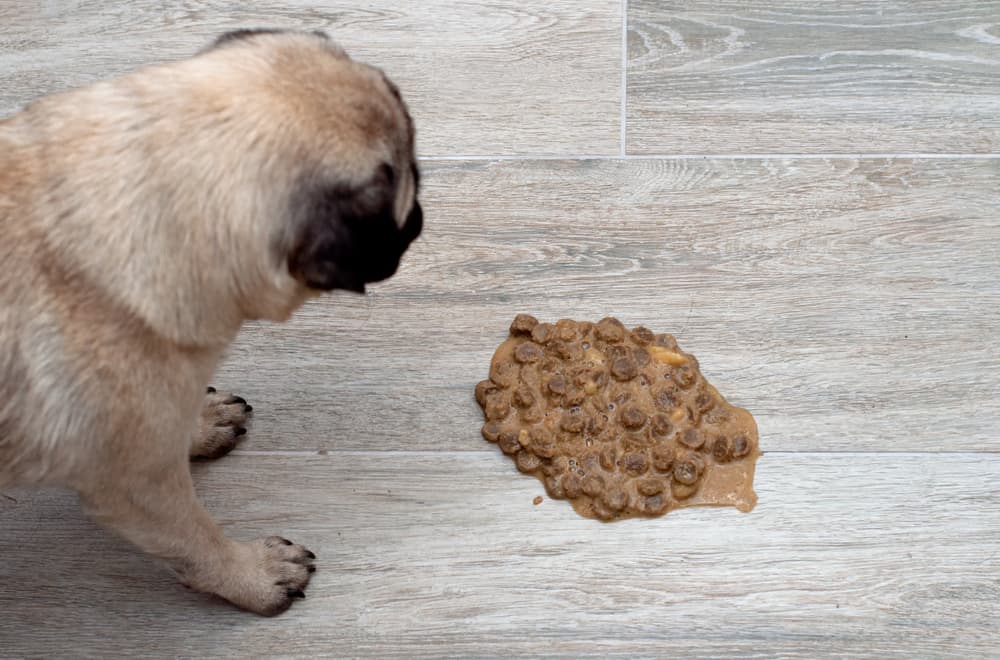
Let’s be honest, sometimes the vomit isn't that far from food. If your dog vomits a bit of undigested kibble or a half-chewed treat, it might still smell and even taste somewhat appealing to them. Unlike us, dogs have a much less developed sense of disgust when it comes to things like vomit. Their noses are incredibly powerful, and they can detect nuances in scent that we can’t even imagine. If it smells like food, and it's readily available, it’s a logical next step for them to investigate.
Think about it from their perspective. They're not thinking about the germ factor or the social implications. They're thinking, "Hey, is that more food?" And if it is, well, why let it go to waste?
When to Be Concerned: A Health Check
While eating vomit is generally a normal, albeit unappetizing, behavior, there are times when it can signal an underlying issue. If your dog is vomiting frequently, it’s a clear sign that something is wrong. This could be due to anything from eating something they shouldn't have (like that new toy they decided to taste-test) to more serious gastrointestinal problems, infections, or even organ dysfunction.

If your dog is also exhibiting other symptoms like lethargy, diarrhea, loss of appetite, or changes in their drinking habits, it’s time to schedule a visit with your veterinarian. They can help diagnose the cause of the vomiting and recommend the appropriate treatment. Regular vet check-ups are always a good idea to catch potential health issues early on.
Dietary Detective Work
Sometimes, the reason for vomiting and subsequent consumption is related to their diet. If your dog eats too quickly, they might gulp down air along with their food, leading to regurgitation. The food might not be fully broken down, making it seem like a tasty snack to them. This is particularly common in high-energy breeds or those with a strong "food motivation."
Consider slow-feeder bowls, which are designed to make dogs eat more slowly and deliberately. Breaking down their meals into smaller, more frequent portions can also help. If you’ve recently switched your dog’s food, a sudden change can upset their stomach, leading to vomiting. A gradual transition to a new food, mixing a small amount of the new food with the old over a week or two, is usually the best approach.
The Culture of Canine Consumption
It’s fascinating to consider how our perception of this behavior is so different from our dogs’. In many human cultures, consuming bodily waste is considered taboo, even repulsive. We have strict social norms and personal boundaries around such things. Our dogs, on the other hand, operate on a different set of rules, dictated by instinct and their immediate environment.
This stark contrast highlights the fundamental differences between our species. While we might be horrified, to our dogs, it’s simply a practical consideration. It’s a reminder that their world is experienced through their senses and primal drives, not through the complex social constructs that govern human behavior. Think of it like the difference between a Michelin-star restaurant and a survivalist’s camp – both serve food, but the context and priorities are vastly different!
Fun Facts to Chew On
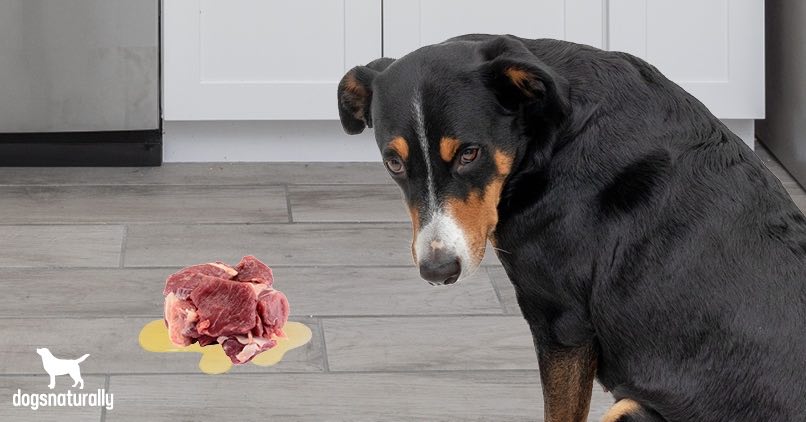
Did you know that the amount of time it takes for a dog to digest food can vary significantly? It can range from 12 to 20 hours for most dogs. If they vomit soon after eating, the food will likely be less digested and therefore more appealing to them. Also, some breeds are more prone to digestive issues and regurgitation than others. For instance, deep-chested breeds like Great Danes and German Shepherds are at a higher risk for bloat, a serious condition that can sometimes involve vomiting.
Interestingly, the act of eating vomit is sometimes referred to as "coprophagia" when it involves feces, but the term for eating one's own vomit is less common and often just described as such. Either way, it’s a testament to the unique and sometimes baffling ways our furry friends navigate their world.
Training and Management: Navigating the Vomit Vomitorium
So, if you’re less than thrilled about your dog’s habit of cleaning up after themselves, what can you do? The key is prevention and quick clean-up. As soon as you notice your dog starting to feel unwell, or hear that tell-tale hork, gently but firmly guide them away from the area. If they've already vomited, try to distract them or lead them to another room while you quickly clean up the mess.
Using a disinfectant cleaner that eliminates odors is important, as lingering smells can encourage your dog to revisit the spot. Positive reinforcement can also be helpful. When your dog doesn't eat their vomit and allows you to clean it up without issue, offer praise and a small treat. This helps them associate allowing you to clean with positive outcomes, rather than them needing to "fix" the problem themselves.
Understanding Your Dog’s Signals
Beyond the act of eating vomit itself, pay attention to when and why your dog is vomiting. Are they eating grass obsessively? Are they seeming uncomfortable or pained before they vomit? Are they finicky eaters? These are all important clues that can help you and your vet understand what might be going on. Some dogs eat grass because they feel nauseous, and the grass can induce vomiting. If your dog is doing this regularly, it's worth investigating.
If your dog is vomiting consistently after meals, it could indicate a food sensitivity or allergy. Working with your vet to identify potential triggers and implement an elimination diet might be necessary. It’s a process of detective work, where every detail about your dog’s eating habits, energy levels, and overall well-being can provide valuable information.
A Little Bit of Gross, A Whole Lot of Love
Ultimately, while the sight and idea of our dogs eating their own vomit can be unsettling, it’s important to remember that it’s usually a normal, instinctual behavior. It’s a glimpse into their wild heritage, a reminder of their adaptability, and sometimes, a slightly embarrassing consequence of our own reactions. They’re not trying to be gross; they’re just being dogs.
The next time you witness this peculiar act, take a deep breath. Instead of recoiling, try to see it with a little more understanding. Perhaps a mental nod to their wolf ancestors, or a quiet acknowledgement of their deeply ingrained maternal instincts. They’re messy creatures, they’re quirky creatures, and they’re creatures who offer us unconditional love. And that, despite the occasional regurgitated snack, is more than enough reason to love them back, vomit and all.
In the grand tapestry of daily life, these little canine quirks are often the threads that weave in humor, surprise, and a touch of the wonderfully bizarre. They remind us that life with pets is rarely boring. Just like we have our own little habits and foibles that make us uniquely human, our dogs have theirs that make them uniquely canine. And in that shared space of imperfection, there’s a beautiful, if slightly messy, connection that strengthens the bond between us. So, the next time you’re faced with the aftermath of a doggy heave, try to embrace the moment for what it is – a strange, but ultimately endearing, facet of the incredible journey of sharing your life with a dog.