
When Do Cats Go Into Heat Male
So, you've got a furry little friend who's been ruling your couch and demanding tuna with a regal air. You love your cat, of course! But lately, your typically serene feline might be acting a bit… well, different. Maybe the sweet purr machine has turned into a vocal opera singer at 3 AM, or perhaps your usually independent kitty is suddenly glued to your leg, meowing incessantly. If you're a cat owner, you might be wondering what on earth is going on with your beloved pet. And if you're asking yourself, "When do cats go into heat, male?", you're about to embark on a rather amusing journey into the fascinating, and sometimes baffling, world of feline reproduction.
Now, here’s a little secret that might surprise you: male cats, or tomcats as they're affectionately known, don't actually "go into heat" in the same way that female cats do. It’s a common misconception! Female cats, or queens, are the ones who cycle through periods of sexual receptivity, which is what we call being "in heat" or estrus. Think of it as their "ready to mingle" phase. Male cats, on the other hand, are pretty much always on standby, waiting for a lady in distress (or rather, a lady in estrus!).
When a female cat is in heat, she undergoes some rather dramatic changes. She might become extra affectionate, rubbing against everything and everyone, purring like a motorboat, and rolling around on the floor with a certain… abandon. Her meows can also become more frequent and intense, often described as sounding like a tiny siren call to any eligible bachelor in the neighborhood. This is her way of saying, "Hey world, I'm available and ready for romance!"
Must Read
And that’s where the male cats come into the picture. When a male cat catches wind (literally, it’s often about scent!) that there’s a female in heat nearby, his behavior can shift too. He might become more restless, determined to find the source of that alluring feline fragrance. You might notice him paying extra attention to doors and windows, perhaps even trying to sneak out for a grand adventure. This isn't him being "in heat," but rather being highly motivated by the presence of a receptive female.
It’s important to understand that a male cat's reproductive system is always primed. They don't have a monthly cycle like female cats. Their main goal, when stimulated by a female in heat, is to locate her and potentially father some adorable kittens. This can lead to some interesting, and sometimes hilarious, behaviors. Think territorial marking, increased vocalizations (often not as melodic as the female's calls, more of a gruff declaration of intent), and a general air of urgency. Your usually laid-back tabby might suddenly transform into a furry detective, sniffing every corner and leaving his scent to announce his presence.

"Male cats are essentially always ready for the party, if you know what I mean!"
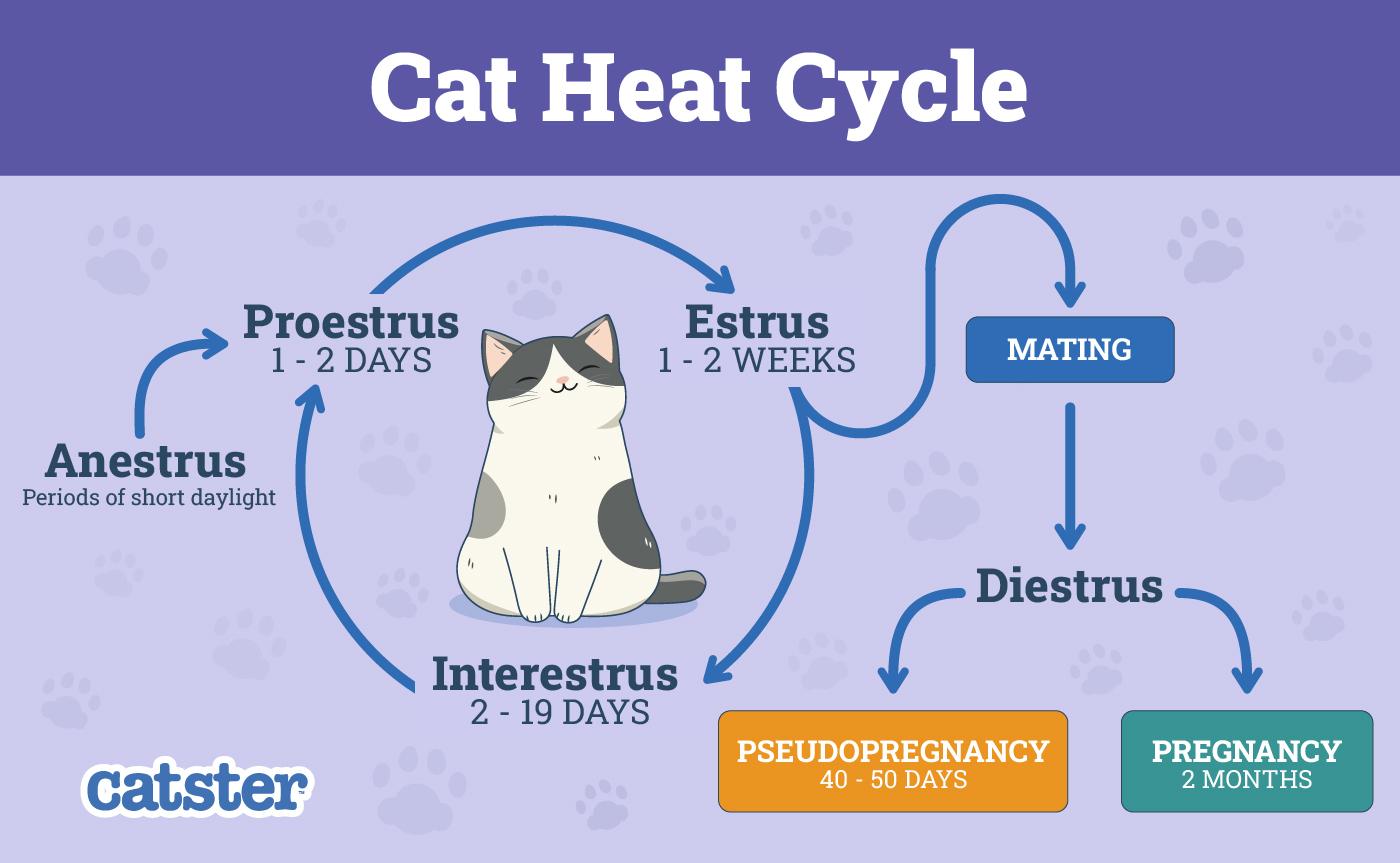
The "heat" cycle for female cats typically lasts for about a week, and they can go through this several times a year, especially during warmer months when daylight hours are longer. This is why spaying female cats and neutering male cats is so crucial. It not only helps control the population of adorable, but often unwanted, kittens, but it also prevents some of the more… enthusiastic behaviors that come with feline courtship.
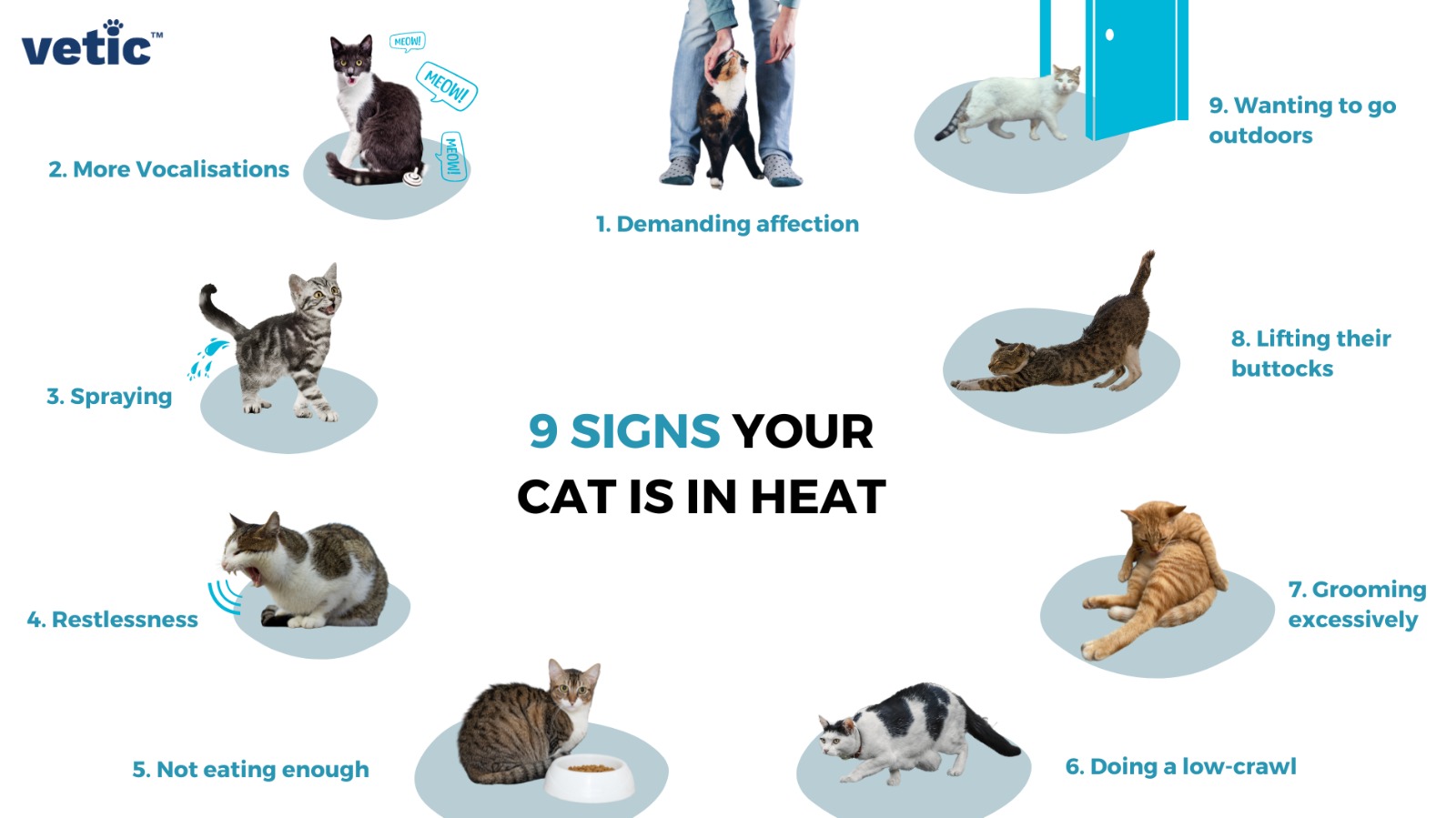
Imagine your usually dignified tomcat, who normally prefers naps and sunbeams, suddenly developing an intense interest in the world beyond your walls. He might start spraying to mark his territory, a rather pungent reminder to other males that he's in town and interested. He might also become more prone to fighting if other males are also vying for the attention of the same female. It’s a wild side that most pet owners rarely get to see, and frankly, it’s probably for the best!
So, while male cats don't experience "heat" themselves, their lives are certainly influenced by the heat cycles of the females around them. Their world becomes a little more exciting, a little more scent-driven, and a whole lot more focused on finding a mate. It’s a primal urge, a biological imperative that has been playing out in the feline kingdom for millennia.
The good news for us humans is that a little surgery can make a world of difference. Neutering a male cat not only reduces his urge to roam and fight, but it also eliminates that distinct "tomcat" odor from any spraying. And spaying a female cat prevents those disruptive heat cycles and unwanted pregnancies. It’s a win-win for everyone involved, ensuring your furry companions can live longer, healthier, and much calmer lives.
Next time you see your male cat acting a bit more adventurous or vocal, remember he's not "in heat." He's just responding to the ancient, powerful call of nature, a reminder of his wilder ancestors and the enduring instinct to perpetuate the species. It’s a fascinating glimpse into the lives of these enigmatic creatures, a story that’s as much about instinct and biology as it is about the adorable little purrballs who share our homes and our hearts. And who knows, maybe that extra cuddle session you’re getting from your male cat isn’t just affection, but a subtle, furry plea to keep him from embarking on any mid-afternoon escapades!
Understanding these natural cycles, even if the male doesn't have his own "heat," helps us appreciate our cats even more. It’s a reminder that beneath the fluffy exterior and the demands for chin scratches, there’s a complex being driven by instincts as old as time. So, embrace the occasional oddity, and remember that your cat’s behavior, even when it seems strange, is a part of their captivating feline story.
![When Do Male Cats Go Into Heat? [Explained] - LearnAboutCat](https://learnaboutcat.com/wp-content/uploads/2022/11/When-Do-Male-Cats-Go-Into-Heat-1024x559.webp)

